This article examines the claim that Gaza faced a famine, explains why the Integrated Food Security Phase Classification call was misleading, and argues the United Nations and other institutions pushed a false narrative while ignoring the role Hamas played in triggering and sustaining a war that shaped the humanitarian picture.
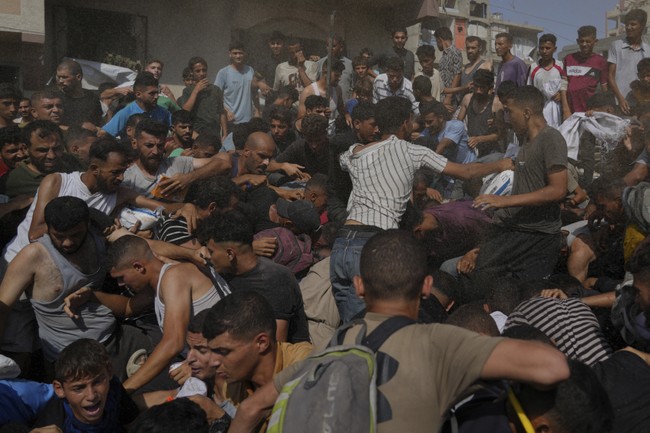
For nearly two years a single story dominated parts of the media and the Left: Gaza was in the throes of a genocidal famine. That claim ignored context and timing, especially the fact that Hamas launched a war with Israel in 2023 and then proceeded to lose ground, which affected supply lines, infrastructure, and humanitarian access. Political framing matters here, because it shaped how people interpreted numbers and who they blamed.
The official line from one major classification system was given weight simply because it sounded technical and neutral. The Integrated Food Security Phase Classification (IPC) is a “multi-partner global initiative and standardized scale used to analyze and classify the severity and magnitude of food insecurity, acute malnutrition, and famine conditions in specific areas or populations.” That description is accurate, but the interpretation of its data is what needs scrutiny.
The IPC declared a famine in Gaza on August 22, and that declaration was repeated widely as if it were an indisputable fact. But the math behind the declaration and the conditions on the ground did not add up in a way that justified calling it a famine in the strict, empirical sense. A declaration with such high stakes should rely on transparent methodology and verifiable primary data, not political pressure or selective interpretation.
Even Hamas and the U.N. didn’t inflate those numbers, which is telling. When even those actors declined to amplify the worst interpretations, yet other institutions did, red flags should have gone up about how numbers were being used. Public opinion was shaped by headlines and social posts long before independent verification could be performed.
Part of the problem is incentives. Organizations that supply reports to global audiences can become participants in narratives because notoriety and political influence follow dramatic claims. That creates a risk of overstating conditions to generate attention, funding, or pressure. The temptation to dramatize complex humanitarian dynamics is real, and that temptation often aligns with preexisting biases against Israel.
🚨Final Gaza fake “famine” analysis: IPC declared famine on Aug 22. Through ceasefire on Oct 10 there should have been 10,000 starvation deaths. But Hamas/UN counted 192 (most if not all with pre-existing conditions). That's 98% below famine levels. It was always a hoax. 1/ pic.twitter.com/jWcZOnwdAe
— Aizenberg (@Aizenberg55) October 21, 2025
There is also the practical reality that wars disrupt everything: food production, imports, distributions, and local markets. Hamas’s decision to start a war produced many of the conditions critics cited. You cannot analyze famine claims in a vacuum; you must consider who controlled borders, who was firing on transport routes, and who governed the distribution networks. Blaming one side without that context is lazy and misleading.
Independent evidence has surfaced that undermines some of the worst public claims, though that evidence has not been allowed to correct the public record with equal vigor. Where audits and primary data checks were possible, numbers often required rethinking. Those corrections rarely get the same platform as the initial alarm, so the distorted impression lingers regardless of later findings.
There should be accountability for such lies. There won’t be, alas. International bodies and some NGOs enjoy institutional immunity from the reputational costs they should face when they mislead the world, and political operatives who benefit from one-sided narratives have little incentive to admit mistakes. That imbalance corrodes public trust in humanitarian reporting.
The United Nations is not a neutral referee in all cases, and critics on the right point out that the organization often moves in predictable political directions. Yes, it is. The U.N. has no interest in global unity, peace, or justice. They hate Israel and sympathize with terrorists. And they’ll lie to keep the status quo going. Those are strong claims, but they reflect long-standing complaints about bias, selective outrage, and inconsistent standards.
Fixing this requires more than moralizing. It demands independent audits, a return to verifiable primary data, and journalistic skepticism that treats technical declarations as claims to be tested rather than axioms to repeat. Until institutions face real consequences for false or politically motivated pronouncements, the incentives to game numbers will remain, and public debate will suffer.
Editor’s Note: The Schumer Shutdown is here. Rather than put the American people first, Chuck Schumer and the radical Democrats forced a government shutdown for healthcare for illegals. They own this.