Schumer Reacts to President Trump’s Middle East Peace Deal
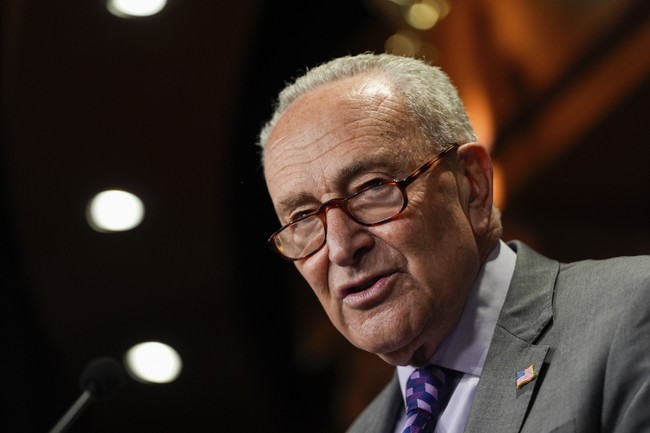
Senate Minority Leader Chuck Schumer of New York publicly acknowledged President Trump’s peace accord after a high-stakes signing in Sharm el-Sheikh, Egypt that helped end a two-year war between Israel and Hamas. The deal returned the last living hostages and marked a major diplomatic moment with roughly 20 world leaders in attendance. Republicans hailed the move as a rare, tangible win in a turbulent region.
Schumer said, “Today is a wonderful day. Finally, finally, finally, the last living hostages brutally held by Hamas are home, an immense and overwhelming sigh of relief,” in a statement that credited families and officials. He continued, “I commend the enormous advocacy of the tireless hostage families, President Trump, his administration, and all who helped make this moment happen.” Those words underline how hostage families shaped the political pressure that nudged this outcome.
Schumer also offered a broader diplomatic frame, saying, “There is an enormous opportunity ahead for a long term and lasting peace,” he added. “It is with utmost importance that every party involved pursue the opportunity to finally build a lasting peace ultimately through a realized two-state solution that ensures security, prosperity, and dignity for Israelis and Palestinians alike.” His comments put emphasis on a negotiated, structural solution to historic conflict.
Two New Yorkers who were among the kidnapped were named in Schumer’s remarks: Omer Neutra and Itay Chen were abducted after October 7th and later died in captivity. Schumer said he still “solemnly reaffirm[s]” his promise to bring them home to the United States. That pledge frames the personal cost behind the political headlines.
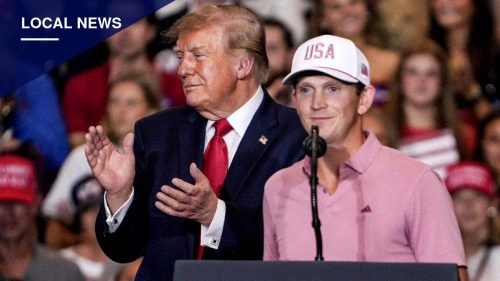
President Trump stood before leaders in Sharm el-Sheikh and signed the accord that he said would open a new era of peace for the region. He urged attendees to “put the old feuds and bitter hatreds behind us,” a direct call to move past decades of animosity. The ceremony was positioned as a diplomatic reset with security guarantees and economic incentives on the table.
Trump added, “It took us 3,000 years to get to this point,” a comment meant to emphasize the historical scale of the moment and the long-standing ties anchoring the U.S.-Israel relationship. His supporters argue the administration’s leverage and negotiation style delivered concrete results where others had only offered platitudes. Critics on the left remain wary, but the immediate result was the safe return of hostages and a formal pause in active warfare.
The deal also highlights how hostage advocacy, international pressure, and high-level diplomacy intersected in real time. Families and negotiators forced attention onto individual lives, which helped create the political momentum for a deal. That human element made this more than a bilateral agreement; it became a moral imperative in the public eye.
🚨POTUS: At long last we have peace in the Middle East!
"Everybody said it was impossible…but now we are there."
President Trump is doing the IMPOSSIBLE!!👏 pic.twitter.com/JKIcES9m58
— Townhall.com (@townhallcom) October 13, 2025
Political fallout is already in motion, with lawmakers and commentators parsing who gets credit and what the terms really mean for long-term security. For many Republicans, the focus is straightforward: a successful negotiated outcome that prioritizes American allies and rescued civilians. For Democrats and others, attention turns to implementation details and the broader roadmap toward a lasting settlement.
Editor’s Note: Donald Trump is America’s Peace Time President. Support and follow reporting on the president’s historic trip to the Middle East.