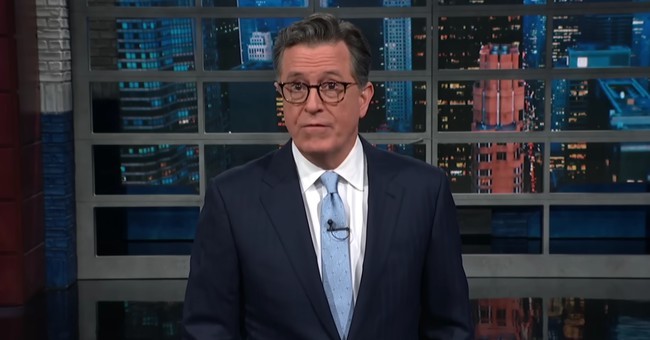
Stephen Colbert says he’s not as liberal as people think, but his late-night record tells a different story. This piece pushes back from a conservative perspective, noting how constant attacks on conservatives turned comedy into cultural warfare. It also looks at how comedians and conservatives can trade jabs without turning everything into a boycott or a ratings collapse.
Colbert built a brand by skewering conservatives and President Trump, and that approach left The Late Show struggling. Sources reported it cost CBS $50 million a year, which is a clear metric that his style stopped resonating with a broad audience. When a show depends on piling on one side, it risks alienating half the country and losing its footing.
Comedy used to poke at everyone, not just one political tribe, and that mattered. There are sharp jokes that land without resorting to daily demonization, and audiences notice when satire becomes sermon. Conservatives can laugh at themselves, and they expect comedians to do the same instead of treating opposition as mortal sin.
Colbert: "People perceive me as this sort of lefty figure. I'm more conservative than people think."
He finally said something funny. pic.twitter.com/cjltnYZ98S
— Western Lensman (@WesternLensman) November 4, 2025
Some performers get it right and keep the laughs coming without vilifying an entire group. Vice President JD Vance embraced a Halloween meme about himself, leaning into the joke and showing humility. That kind of response weakens the outrage industry and proves that humor works best when it’s mutual, not one-sided.
Other high-profile takes have landed with mixed reactions, but they show the point: satire hits harder when it risks everyone. Larry David’s Curb Your Enthusiasm episode where he wears a MAGA hat to dodge meetings was a clever swipe that didn’t come off as vicious. Even critics like Charlie Kirk appreciated South Park’s willingness to lampoon conservative activism instead of trying to erase it.
There are ways to mock ideological opponents without being nasty or petty, and plenty of entertainers still manage it. The left gets frustrated when conservatives laugh instead of seething, because the strategy of perpetual outrage depends on keeping people mad. We don’t need to police comedy or hand political correctness a veto over punchlines.
The late-night circuit lost value when it turned into a nonstop editorial page wrapped in jokes, and viewers noticed. That pattern is exactly why audiences migrated away and why networks felt the pinch. When satire abandons even-handedness, it forfeits cultural influence and becomes partisan noise.
Conservative voices argue that free speech should include the right to offend and the right to respond with humor. Toughness and the ability to laugh at yourself are strengths, not weaknesses, in a healthy civic culture. Letting comedians take potshots at everyone invites the kind of back-and-forth that keeps comedy sharp and public debate honest.
Clay Travis about these remarks with Sean Hannity:
Colbert can claim whatever label he likes, but actions matter more than a soundbite. If your nightly routine is a daily sermon against half the country, don’t be surprised when viewers tune out. Conservatives will keep calling for a balance where jokes punch up and across, not just down the same street.
Editor’s Note: Donald Trump is America’s Peace Time President. Support and follow Townhall’s latest reporting on the president’s historic trip to the Middle East. Join Townhall VIP and use promo code POTUS47 to get 74% off your membership.