The Commanders were blown out 44-22 in Detroit and the crowd made a political scene when President Trump was in attendance, including audible boos during a moment when service members were acknowledged. This article looks at the game outcome, the crowd reaction in Washington, and why the optics matter as the NFC East shapes up. It keeps the facts straight: the score, the standings, the flyover, and the on-field commentary that followed.
Detroit’s win left Washington 3-7 and exposed how far the Commanders are from contention this season. The NFC East already looks like the Eagles’ to lose, and the situation invites comparisons to 2004 when one team ran away with the division at 13-3 while the others finished 6-10. That historical parallel is uncomfortable for fans who hoped this year would be different, and a lopsided loss like 44-22 only stiffens the narrative.
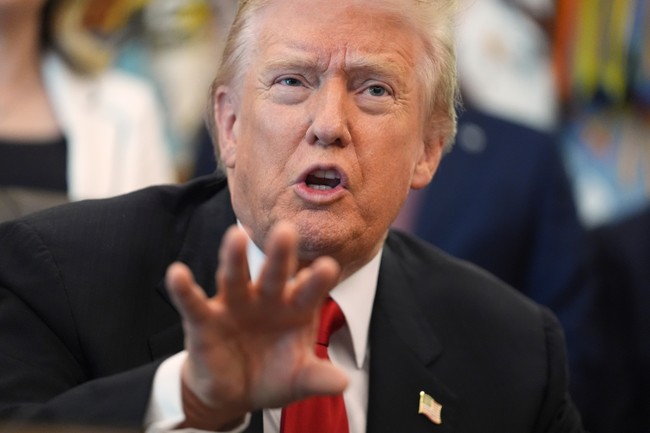
Being in one of the most liberal cities in America, a presidential visit was always going to draw heat. Washington fans booed the president as he enlisted US service members. That reaction didn’t come out of nowhere, and it speaks to the political makeup of the stands as much as it does to opinion of the man in the suite.
This is the most disgraceful thing I’ve ever seen.
Commanders fans booed President Trump while he was literally enlisting troops into the United States military.
Pure trash. pic.twitter.com/BZQI6m4LgP
— johnny maga (@_johnnymaga) November 9, 2025
The optics kept piling up: Air Force One performed the flyover and the president watched from a box, but some in the crowd treated that as a provocation rather than a spectacle. Critics made it into a bigger spectacle than it needed to be, turning a routine presidential appearance into a headline about temperament instead of focusing on the football. Plenty of people can appreciate the spectacle without letting partisan outrage define the moment.
There’s a fairness point worth making: presidents attend public events, including games, and their presence will always draw reaction — positive and negative. When the cheers and boos are filtered through a media lens, the coverage will amplify whatever fits the prevailing narrative. That’s predictable, and it’s part of why political theater and sports sometimes collide so noisily in places like Washington.
For fans who dislike Trump, the reaction in the stands was a release valve, even if it meant booing during a moment meant to honor military service. From a conservative perspective, that feels like a misplaced priority: respect for the troops should come before partisan signaling. When attendees boo the commander-in-chief while service members are recognized, it sends the wrong message about where certain fans’ loyalties lie.
He’s still the president, and his presence at a game is fair game for comment and criticism, but attendance is also a way to energize supporters and needle opponents. Trump even did a little play-by-play and color commentary during the event, giving people another reason to talk. Whether you think that’s entertaining or grandstanding, it changed the tone of the night and ensured the story would stick to headlines beyond the final score.