This piece examines a recent video by several Democratic lawmakers urging members of the military and intelligence communities to refuse orders, reactions from President Trump online, and the legal and political consequences such calls could carry.
A group of Democrats released a short video urging members of the military and intelligence communities to push back against the Trump administration. The participants included Elise Slotkin, Mark Kelly, Chris Deluzio, Chrissy Houlahan, Maggie Goodlander, and Jason Crow, and their message was framed as a defense of the Constitution. Their remarks were explicit about refusal of orders, and that has set off a chain of sharp responses.
In the video they said, “Americans trust their military,” Houlahan said. “But that trust is at risk,” Deluzio added. “This administration is pitting our uniformed military and intelligence community professionals against American citizens,” Kelly, Crow, and Slotkin said. Our laws are clear. You can refuse illegal orders. You can refuse illegal orders. You must refuse illegal orders,” Kelly, Slotkin, and Deluzio continued.
That sequence of lines raises obvious questions: what counts as an illegal order, and who decides? The Democrats in the clip offered no example or legal standard. They made a sweeping appeal to rank-and-file personnel to disobey unspecified commands, and they left the consequences to imagination and partisanship.
Nobody in the clip named the American citizens they claimed would be threatened by the administration’s orders, and that silence matters. It is hard to believe they meant people targeted earlier by government labeling when the same politicians rarely face consequences for rhetoric aimed at conservatives. Vague warnings wrapped in moral certainty are a political tool, not a legal brief.
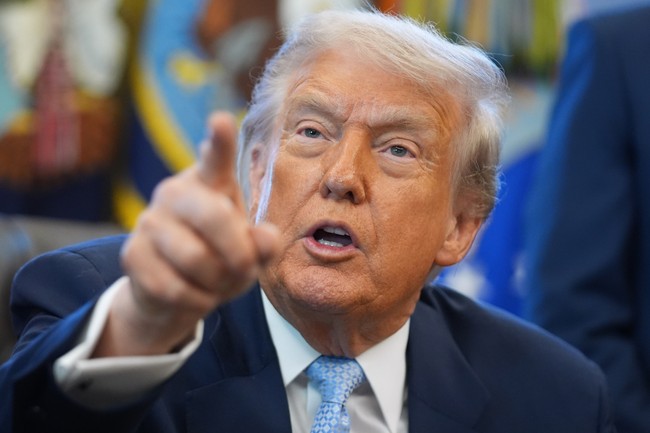
The political reaction was immediate and harsh. President Trump responded on his platform with a blunt warning that this advocacy is dangerous and should not stand.
“This is really bad, and Dangerous to our Country. Their words cannot be allowed to stand. SEDITIOUS BEHAVIOR FROM TRAITORS!!! LOCK THEM UP??? President DJT,” he wrote, and then amplified the point about consequences in a follow-up post. Those posts inflamed the debate and shifted the frame from an abstract warning to a fight over language and punishment.
He followed it up by pointing out that seditious behavior is punishable by death.
“Seditious behavior, punishable by death!” the President wrote. Taken in context, that is a statement about the law: treason and certain wartime offenses do carry the harshest penalties under military law. Conservatives who object to calls for resistance see a double standard when one side urges disobedience and then blames the president for pushing back.
Legally, if members of the military took up arms against the United States or actively aided an enemy, they could face charges under the Uniform Code of Military Justice. Courts and military tribunals have handled mutiny and treason in warlike situations before, and such charges can carry severe penalties, including death in the most extreme cases.
The political reality is different for civilians who egg on resistance. Sedition prosecutions are rare and politically fraught, and elected lawmakers usually escape real legal consequences for inflammatory rhetoric. That gap matters: urging subordinates to defy commanders is dangerous precisely because the people most likely to pay a price are not the speakers but the rank-and-file they inspire.
Democrats who encouraged defiance were not offering a careful legal analysis or a step-by-step plan; they were delivering a narrative to a sympathetic audience. That strategy works politically but it leaves others exposed, and any politician who champions disobedience should be asked whether they considered the human and legal fallout.
There is a clear asymmetry at play: rhetoric that mobilizes state actors to refuse orders can threaten discipline and cohesion, while those who make the call rarely face symmetric costs. From a conservative perspective, urging institutional disruption without accountability is irresponsible and potentially dangerous to national security.
At minimum, this episode should force a conversation about where responsibility lies when public figures ask career officers and civil servants to choose between loyalty to superiors and loyalty to political narratives. The lives and careers on the line deserve more than vague moralizing and partisan theater.