The Senate pushed a weekend deal that could reopen the government, and eight Senate Democrats broke ranks to clear a procedural hurdle. That agreement funds the government through January 30 and extends SNAP through September 2026, and a House vote could come as soon as Wednesday. House Democrats are publicly furious, but Republicans held their ground and didn’t surrender meaningful concessions.
The Senate moved fast over the weekend, and the math changed when a handful of Democrats crossed the aisle to advance the measure. A procedural vote cleared the way for consideration of a short-term funding bill, setting up a possible House vote in the middle of the week. Speaker Johnson’s track record shows he can keep House Republicans aligned, leaving Democrats with little leverage if they choose to block a reopening.
There’s a straightforward political trade at work: the deal gives the government a stopgap through January 30 and secures SNAP funding through September 2026, buying time to negotiate broader priorities. That timeline protects critical nutrition benefits and prevents an extended shutdown that would hurt workers and families. Republicans made sure the outcome didn’t require major policy concessions or hand over bargaining chips that weren’t already on the table.
https://t.co/qQWl7XZlim pic.twitter.com/F0XzA8cAJc
— Delanie Bomar (@DelanieBomar) November 10, 2025
The left’s reaction was theatrical. Cable networks and progressive platforms lit up with outrage, framing the move as a betrayal by moderates who “gave up” on bigger fights. That noise matters in political theater, but it doesn’t change the reality on Capitol Hill: a short-term deal is a practical tool to stop immediate economic harm while bigger policy fights continue in January.
Democratic lawmakers and liberal grassroots groups erupted Sunday night as moderate Senate Democrats moved to cut a deal with Republicans that would put an end to the government shutdown.
Why it matters: The deal threatens to reopen the deep divisions that have been roiling the Democratic Party all year, and the widespread opposition to it among House Democrats could complicate its path to passage.
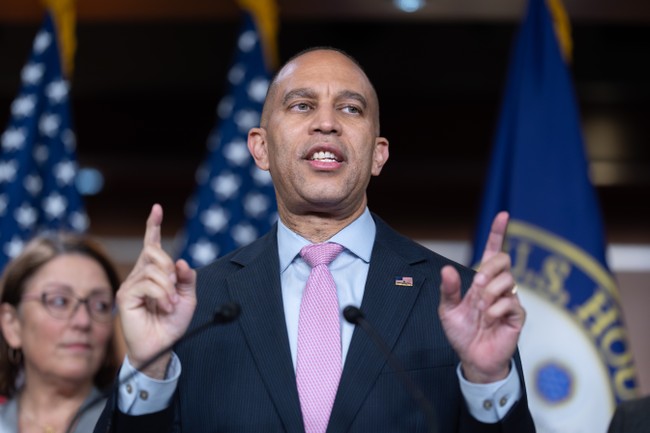
House Minority Leader Hakeem Jeffries (D-N.Y.), in a statement Sunday night, suggested the bill fails to “decisively address the Republican healthcare crisis.” He vowed to “fight” the bill if it reaches the House.
“This ‘deal’ is a surrender that all congressional Democrats should reject out of hand,” said Indivisible co-founder Ezra Levin. “We cannot afford a divided and weak opposition party.”
[…]
What we’re hearing: House Democrats’ text message chains lit up in anger Sunday as details of the deal began to trickle out into the public, with both progressive and centrist lawmakers venting fury, sources told Axios.
“People are furious,” a centrist House Democrat, speaking on the condition of anonymity to share details of internal discussions, told Axios. “It’s an awful deal and a total failure to use leverage for anything real.”
A progressive House Democrat said “people are pissed” and that it feels like Senate Democrats “got almost nothing. It seems like they are just tired.”
[…]
The intrigue: House Democrats privately discussed supporting primary challengers against their Senate counterparts when the upper chamber voted to fund the government in March. That chatter has resurfaced, according to two House Democrats.
Inside the House, anger is real but limited in practical effect. Text chains and private threats don’t translate into votes if party leaders can hold a majority solid. The GOP can point to unity and discipline at a time when the other side is airing grievances and plotting political retribution. That contrast matters heading into 2026 and the next rounds of budgeting fights.
Some House Democrats talk about punishing senators who crossed the floor, but those threats are risky and often hollow. Primary talk and revenge plans sound loud in private messaging apps, yet few members follow through when faced with a real vote on reopening the government. Voters typically punish elected officials for letting the government stay closed longer than necessary, not for stepping up to keep it open.
On the Republican side, the strategy was to avoid making unnecessary concessions and to focus on ending the immediate harm of a shutdown. That’s a smart political posture: secure short-term stability, shield families from the worst effects, and then return to policy fights with better leverage. Keeping SNAP funded through September 2026 is a practical win for hungry families and a way to take political heat away from Republicans over humanitarian consequences.
Rep. Ralph Norman (R-SC) is one GOP voice who said he wouldn’t support this bill. Let’s see what he says after he takes a call from Trump should that occur. The point here is simple: a few holdouts won’t derail the basic, bipartisan logic of ending a shutdown and protecting services Americans rely on.
What to watch next is straightforward: a House vote, the possibility of last-minute changes, and how Democrats manage internal dissent. Lawmakers who prioritize spectacle over stability may find themselves on the wrong side of voters when Americans realize the shutdown ends with minimal concessions. In the meantime, the deal gives Washington a short runway to settle larger budget fights without grinding everyday life to a halt.