Kazakhstan has moved to join the Abraham Accords, a pact launched in 2020 to normalize ties with Israel, and the development points to broader momentum in the region. President Trump publicly celebrated the step with a direct statement, and U.S. officials say other nations are watching. This shift matters for geopolitics, trade, and the prospects for regional stability.
Kazakhstan, a Muslim-majority country, is now expected to become the latest signatory to the Accords, which were brokered in 2020. The original deal sought to open diplomatic, economic, and security channels between Israel and willing Arab and Muslim states. When first signed, the agreement included the United Arab Emirates, Bahrain, and Morocco, and Sudan signed on in 2021 but later faced delays due to internal instability.
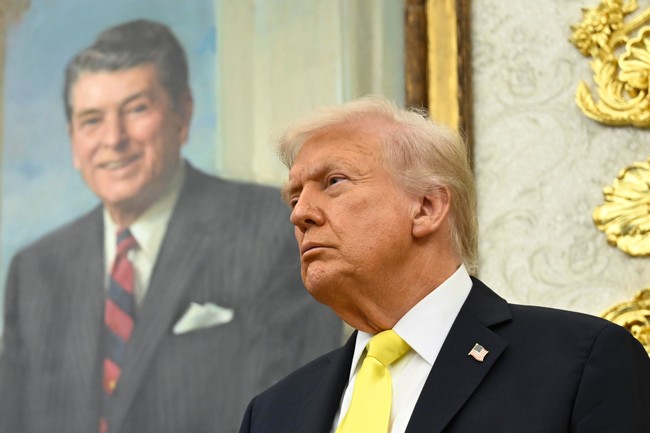
President Trump said, “This evening, I’m also delighted to report that Kazakhstan has officially agreed… [to join] the Abraham Accords — and I just want to thank you, Mr. President.” That public endorsement frames the expansion as a diplomatic win and signals Washington intends to keep pushing normalization forward. The former administration’s role in initiating the Accords remains a central talking point in discussions about what comes next.
.@POTUS: "This evening, I'm also delighted to report that Kazakhstan has officially agreed… [to join] the Abraham Accords — and I just want to thank you, Mr. President." pic.twitter.com/gSWkSXFJs8
— Rapid Response 47 (@RapidResponse47) November 7, 2025
The Accords have been presented as a pragmatic alternative to persistent conflict, focusing on commerce, technology, and shared security interests rather than ideological alignment. Economies across the region stand to gain from reduced barriers to trade, joint infrastructure projects, and cooperation on energy and tech. For many countries, the economics are as persuasive as the political cover that normalization provides.
A U.S. official said, “This is going to show that the Abraham Accords is a club that many countries want to be a member of and it will be a step for turning the page on the war in Gaza and moving forward toward more peace and cooperation in the region.” That view captures the strategic sales pitch: normalization as a way to de-escalate current conflicts and bind states together through mutual interests. Whether that translates into durable peace will depend on follow-through, verification, and concrete bilateral agreements.
Beyond Kazakhstan, President Trump signaled that several more countries have shown interest in signing the Accords, including Saudi Arabia and Syria, though no formal agreements have been completed. Syria’s interim president, Ahmed al-Sharaa, is scheduled to meet with President Trump at the White House next week, where joining the Abraham Accords may be discussed. A visit from Saudi Crown Prince Mohammed bin Salman is also expected on November 18, creating a tight diplomatic window.
Saudi participation would be a major geopolitical shift given the kingdom’s influence across the Muslim world and its centrality to energy markets. Even exploratory talks can reset regional alignments and open corridors for intelligence sharing, counterterrorism cooperation, and investment flows. For the United States, earned diplomatic leverage could be used to pressure concessions or secure commitments on stability and migration.
Kazakhstan’s decision is also a reminder that normalization extends beyond the immediate Middle Eastern neighborhood. Central Asian states, with ties to Russia and China, face choices about which partnerships to prioritize. By signing the Accords, Kazakhstan signals a willingness to diversify its foreign relations and pursue economic engagement with Israel and its partners.
Critics will point out risks: domestic backlash in signatory countries, the unresolved Israeli-Palestinian conflict, and the potential for transactional deals that lack durable safeguards. Supporters counter that incremental integration creates mutual dependence and practical incentives to avoid conflict. The political calculus will vary by capital, and the coming weeks of high-level meetings will show how much of this momentum is real.
Editor’s Note: The Schumer Shutdown is here. Rather than put the American people first, Chuck Schumer and the radical Democrats forced a government shutdown for healthcare for illegals. They own this.