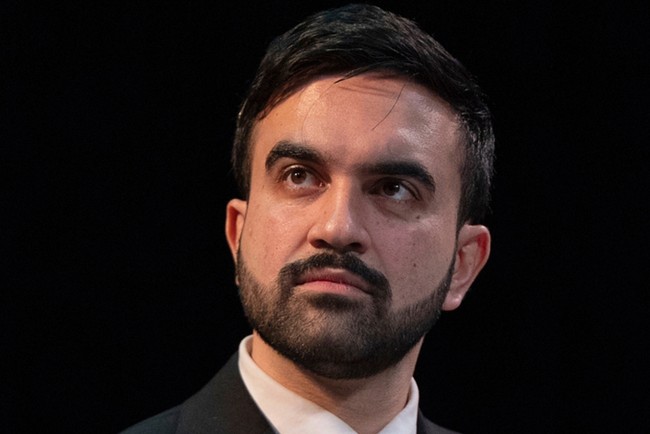
A clear, concise account of the statements and circumstances surrounding Zohran Mamdani, his remarks about campaign workers fearful of deportation, and the legal and political questions those remarks raise.
There’s a simple provocation here: elected officials and their campaigns are supposed to follow federal law, but when political leaders talk openly about workers who were afraid of being deported, it raises immediate legal and ethical questions. Zohran Mamdani’s comments about canvassers who feared interacting with authorities sparked a swift reaction from critics who say the statements imply potential violations. This piece walks through what he said, the legal framework, and why the issue matters to voters.
It’s worth noting the opening line that many on the left once used as a rallying cry: “no one is above the law.” That phrase carries weight when allegations touch on hiring and employment practices tied to immigration status. Conservatives argue that selective enforcement and political double standards are obvious when those words are applied unevenly, and Mamdani’s remarks feed that narrative.
Critics point to Mamdani’s own words as the clearest evidence for concern. “I heard from an older Bangladeshi woman who told me she canvassed me over the course of this campaign in fear of whether she would be picked up in the course of knocking on doors, because she was even afraid to go to the grocery store,” Mamdani said. That admission sits at the center of the controversy and has been seized on by opponents as proof his campaign knowingly relied on undocumented labor.
Zohran Mamdani says illegal aliens canvassed for him because they were afraid of being deported:
"I heard from an older Bangladeshi woman who told me she canvassed me over the course of this campaign in fear of being picked up." pic.twitter.com/rifyw1yz4n
— Greg Price (@greg_price11) November 20, 2025
He went on to criticize city policy, stating, “And I think what we’ve seen under this current administration here in New York City is an unwillingness to stand up for the laws we already have here.” Those comments reference sanctuary policies, and they illustrate a tension between local sanctuary stances and federal immigration statutes. The law is clear: local ordinances cannot override federal immigration rules, and federal statutes govern employment eligibility.
Federal law prohibits hiring people who are not authorized to work in the United States, and the penalties can be significant for employers who knowingly hire unauthorized workers. Prosecutors have civil and criminal tools available, and the consequences can include fines and jail time when violations are willful. The numbers matter because they set the legal stakes behind what might otherwise read as political rhetoric.
Some conservatives have even suggested that the pattern goes beyond employment to alleged voting irregularities, saying they “wouldn’t be surprised in the least if Mamdani admitted to illegals voting for him.” That line is meant to underscore skepticism about integrity in heavily partisan local races and to raise alarms about electoral safeguards. Whether that charge can be supported with evidence is a separate and important legal question, but it reflects the deep distrust on the right.
Mamdani’s ideological affiliations amplify concerns among Republicans because the Democratic Socialists of America, to which his politics are often linked, favor much looser immigration rules. Opponents argue that when a political movement prioritizes open borders, it creates incentives to bend enforcement norms in competitive campaigns. That ideological backdrop frames why critics view his comments as part of a broader, systematic problem rather than an isolated anecdote.
The optics are stark: a mayoral candidate acknowledging that canvassers feared deportation may suggest lax vetting or willful blindness, and that matters in a city where the rule of law is supposed to be blind. Republicans point out the contradiction between condemning lawbreaking in theory and tolerating or even relying on it in practice when it benefits allied campaigns. For voters who prioritize public safety and legal consistency, those contradictions are disqualifying.
Beyond the immediate legal implications, this episode feeds into a political narrative about accountability, enforcement, and fairness. If officials are seen as applying the law selectively, it erodes trust in institutions and fuels polarization. For conservative observers, the response should be straightforward: equal enforcement, transparency, and consequences when laws are broken.
At the same time, these developments will likely prompt investigations, demand for documentation, and heated political debate. The public deserves clear answers about hiring practices and campaign oversight without partisan spin, and opponents will press for accountability through legal channels and public scrutiny. How authorities respond will shape the story going forward and influence perceptions of governance in a major American city.