The governor says climate change is the reason Pacific Palisades still sits in limbo, but the story on the ground reads more like mismanagement, insurance collapse, and permitting gridlock delaying reconstruction.
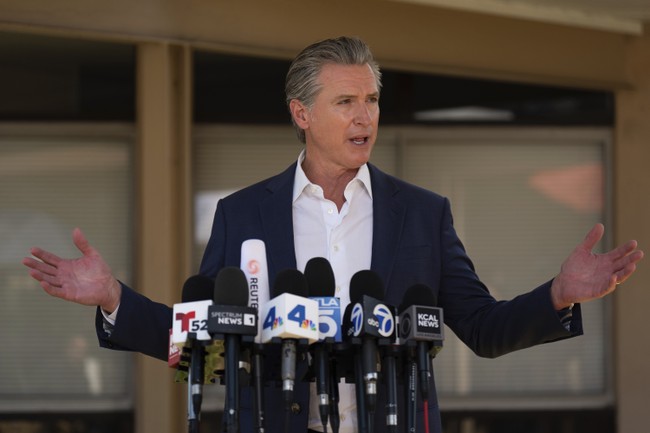
Gavin Newsom’s recent comments tie the slow pace of rebuilding in the Pacific Palisades to climate change, and he delivered those lines with his familiar hand gestures. For many residents who watched homes burn and waited months for answers, the claim sounds like a convenient explanation that avoids accountability. The political framing matters because it shapes whether officials prioritize prevention, permitting reform, or just talking points.
The criticism isn’t just rhetorical. People point to years of policy choices that undercut fire prevention and strained the insurance market, leaving homeowners stuck when they need to rebuild the most. Contractors, developers, and insurers all face layers of regulation that push costs and slow timelines. When government layers make rebuilds near-impossible, blaming the weather is an easy dodge.
Newsom’s own words on the record are blunt and should be kept intact: “In my state, which is one of the most blessed and cursed states as it relates to climate,” Newsom said, complete with his weird hand gestures, “We’re on the tip of the spear of climate change.” He then expanded the point in language that mixes climate talk with disaster description, but those comments don’t answer why permits and projects stall for months.
“Simultaneous droughts and simultaneous floods. The hots are getting hotter. The dry’s drier,” Newsom said. “You saw one of the most devastating wildfires in American history. In the middle of winter, in Los Angeles, in January. 100 mile per hour winds attached to fire.” These lines capture dramatic weather but don’t explain the administrative choke points that follow the flames.
Gavin Newsom blames the Pacific Palisades not being rebuilt yet after the devastating fires, on climate change pic.twitter.com/8ovE8NdM2J
— Libs of TikTok (@libsoftiktok) November 13, 2025
“And as we rebuild, the number one concern people have is how do I get my home insured,” Newsom continued. “And how can a developer develop a home that has a mortgage which requires home insurance. So from across this spectrum, from financial risk to the issue of cost of living…this is a no brainer.” Those concerns are real, but insurance availability is shaped by state policy choices that have forced carriers to limit exposure.
Independent reviews and policy groups have argued the blaze severity stems from governance decisions as much as from weather. One analysis cited budget cuts and bureaucratic resistance that left forests and underbrush unchecked and resources stretched thin. When priorities shift away from resilient management, communities become more vulnerable and recovery becomes a slog.
California, the most-taxed state in the nation, boasts unparalleled financial resources. Yet, despite its wealth, the state continues to fail its residents by neglecting the most basic measures needed to protect them from devastating wildfires. Poor water management, bureaucratic resistance to wildfire remediation efforts, and misplaced spending priorities have left Californians vulnerable to disasters that are both predictable and preventable.
With the largest economy of any U.S. state, California has no shortage of financial resources. In 2024, Governor Gavin Newsom announced an unexpected $16.5 billion budget surplus. Yet, instead of prioritizing wildfire prevention, the administration cut the CAL FIRE resource management budget by 50%, reducing funding for critical forest and wildfire resilience programs. This shortfall forces firefighters to contend with overgrown forests and unchecked underbrush that act as kindling for the state’s now-annual infernos.
Insurance markets responded to the rising losses and to regulatory limits on rate adjustments, and many homeowners find policies unaffordable or unavailable. That squeeze makes lenders and developers reluctant to proceed until coverage is certain. The policy choices that limit carriers’ responses are a major piece of the recovery puzzle.
Permitting delays also tell a clear story. As of October, the city of LA had approved 782 of 1,843 rebuild permit applications, while the county had approved 568 of 2,200 in its areas. In Malibu, just 11 permits have been issued. Those numbers underline how red tape and complex bureaucracy, not just weather, determine how quickly people get back into homes.
Residents want practical fixes: streamlined permitting, clearer rebuilding standards, and targeted funding for risk reduction rather than partisan speeches. Pointing to climate patterns without addressing the regulatory and fiscal causes of delay feels like sidestepping. If leaders want better outcomes, they should match words about storms with action on the ground where permits are filed and insurance decisions are made.