The Senate is set to vote on releasing the Jeffrey Epstein files, a move that looks likely to pass after President Trump signaled support, raising questions about timing, accuracy of the records, and why the Biden administration did not make them public earlier.
The vote to release the Epstein files is scheduled for today, and the outcome looks clear. Supporters lined up the votes, and with President Trump giving the green light the push has momentum. That reality has conservatives and critics both bracing for a flood of documents into the public square.
There are real worries about the paperwork itself. Many of these records contain raw allegations and redacted material that can be misleading out of context, and some details previously circulated have proven wrong. We already saw Democrats shift positions during the Schumer shutdown fight, which suggests political theater can warp how these releases are handled.
Jim Jordan on Epstein vote tomorrow –
“I think everyone will vote for it.” https://t.co/8zyLfmxqxA
— Meredith Lee Hill (@meredithllee) November 17, 2025
There is no reliable evidence tying President Trump to Jeffrey Epstein’s criminal acts, yet partisan opponents will try to stitch anything they can into a narrative. The legacy media’s credibility is worn thin after years of high-profile misfires, and Democrats are dealing with their own fractures and distractions. That combination makes the post-release spin less certain than the left expects.
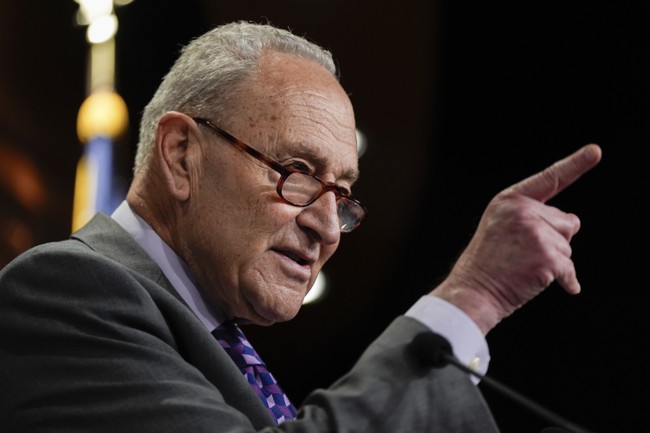
Sen. Chuck Schumer (D-NY) was asked that, and his answer was not good: His reaction matters because it reveals how Democrats intend to frame this disclosure politically. If the leadership can’t give a straight answer about why Biden didn’t release records he could have, voters will assume there was a strategic choice rather than a public-interest one.
No one who has to work for a living spends all their time on these controversies, and most Americans just want straightforward facts and fair process. At the same time, some on the left are suddenly waving their hands against transparency now that a president they oppose signaled support for release. That flip-flop is easy to spot and even easier to criticize.
There’s also a practical risk: unvetted documents tossed into the public domain can fuel false narratives that take months or years to unwind. Political actors know how to amplify a line and let it echo, while the truth crawls out much later. That’s why responsible disclosure should be precise, not performative, and why conservatives worry about sloppy releases that hand the media ammunition.
Beyond the politics, the bigger question is about consistency. Joe Biden’s team had opportunities to make material public or to set a standard for handling sensitive files, and they didn’t. When administrations pick and choose what to disclose based on convenience or partisan advantage, trust in institutions erodes and cynicism rises.
The coming days will show whether transparency wins out or whether the episode becomes another partisan spectacle. Watch how both parties handle the fallout: Democrats will try to weaponize whatever headlines they can get, while Republicans will push back on sloppy leaks and mischaracterizations. The immediate fight is about documents, but the underlying battle is about credibility and who gets to define the story going forward.