The Trump administration is privately planning a stepped-up campaign against Mexican drug cartels that could put American troops and intelligence officers on the ground in Mexico. Officials say training and planning are underway, the effort would use special operations and CIA resources under Title 50 authority, and operations would be kept quiet if approved. The move follows recent airstrikes on suspected narcotics-smuggling boats and the designation of several cartels as foreign terrorist organizations. Critics warn of legal and diplomatic consequences, while supporters argue decisive action is long overdue.
Reports say the White House has already increased military pressure on trafficking routes, authorizing strikes at sea against vessels alleged to be shipping drugs toward the United States. That maritime campaign expanded a pattern of using force in the Caribbean and Pacific to disrupt smugglers before contraband reaches U.S. soil. Those strikes set the tone for a broader approach that could now move inland if the current plans are finalized.
The planning described by officials envisions U.S. troops and intelligence officers operating within Mexico to target cartel networks and leadership. “The Trump administration has begun detailed planning for a new mission to send U.S. troops and intelligence officers into Mexico to target drug cartels, according to two U.S. officials and two former senior U.S. officials familiar with the effort.” That sentence, officials say, captures the core of what’s being shaped in classified planning rooms.
“The early stages of training for the potential mission, which would include ground operations inside Mexico, has already begun, the two current U.S. officials said. But a deployment to Mexico is not imminent, the two U.S. officials and one of the former U.S. officials said. Discussions about the scope of the mission are ongoing, and a final decision has not been made, the two current U.S. officials said.” Those officials emphasize training is preliminary and no deployment date is set.
“The U.S. troops, many of whom would be from Joint Special Operations Command, would operate under the authority of the U.S. intelligence community, known as Title 50 status, the two current officials said. They said officers from the Central Intelligence Agency also would participate.” Using Title 50 would allow intelligence-directed operations with different legal authorities than conventional military missions.
“A U.S. mission using American forces to hit drug cartel targets inside Mexico would open a new front in President Donald Trump’s military campaign against drug cartels in the Western Hemisphere. So far, the administration has focused on Venezuela and conducting strikes on alleged drug-carrying boats.” Expanding the campaign to Mexico would be a sharp shift from past practice and place American personnel deeper into cartel territory.
“The mission currently being planned for would be a break with past U.S. administrations, which have quietly deployed CIA, military and law enforcement teams to Mexico to support local police and army units fighting cartels but not to take direct action against them.” That break in precedent is what makes this proposal so consequential for U.S.-Mexico relations and regional stability.
“If the mission is given the final green light, the administration plans to maintain secrecy around it and not publicize actions associated with it, as it has with recent bombings of suspected drug-smuggling boats, the two current and two former U.S. officials said.” Officials say the administration prefers covert posture for operational security and diplomatic cover, while continuing kinetic pressure on traffickers.
The operational toolkit under consideration would lean heavily on drones to strike major drug labs and to eliminate high-value targets, with special operators and intelligence officers coordinating strikes and captures. The cartels’ designation as foreign terrorist organizations has been pointed to as a legal pathway that expands what military and intelligence agencies can do against those groups.
Training by CIA elements and Joint Special Operations Command reportedly has started for scenarios that could include operations inside Mexico and other countries in the region. That preparatory work reflects a push to build capability before any public authorization, and it signals a willingness to use unconventional authorities to prosecute the drug war beyond U.S. borders.
The Trump administration is preparing a new mission in Mexico to target drug cartels
According to NBC News, citing U.S. officials, the plan involves deploying American troops and intelligence officers to strike drug labs and cartel leaders inside Mexico.
Early-stage training… pic.twitter.com/IphgYwbaFC
— Visegrád 24 (@visegrad24) November 3, 2025
The administration’s hard-line posture has provoked pushback from legal scholars and lawmakers concerned about congressional oversight and sovereignty. Critics ask whether President Trump has the authority to order strikes or ground operations abroad without explicit approval from Congress, and they warn of diplomatic fallout with Mexico. Supporters counter that cartels are effectively transnational predators and that the U.S. must act to stop the flow of lethal narcotics into American communities.
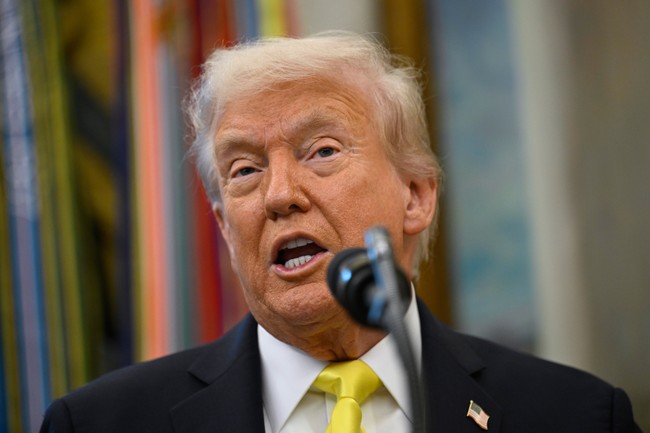
President Trump has been blunt about his intent to use force to stop traffickers, saying plainly, “I don’t think we’re going to necessarily ask for a declaration of war. I think we’re just going to kill people that are bringing drugs into our country, OK? We’re going to kill them,” he said. “They’re going to be, like, dead, OK.” That rhetoric underscores the administration’s appetite for direct, lethal measures against those it holds responsible for the drug crisis.
The debate now is whether planning and training will harden into deployed operations and how the White House will balance secrecy, legal cover, and diplomatic consequence. If carried out, the effort would mark a dramatic expansion of U.S. action against cartels and a new chapter in the fight against drugs, with big risks and high political stakes attached to every operational choice.