Last week’s remarks in Washington turned into another awkward episode for Joe Biden, whose stumble over the word “America” at an LGBTQ event quickly became a lightning rod for critics and conservatives. The moment went viral, prompting sharp takes about his fitness for office and how staffers manage his public appearances. Reactions landed hard and fast, with commentators using the clip to argue broader concerns about leadership and competence.
At a forum on LGBTQ rights, Biden’s speech included a fumbling pronunciation that opponents seized on as evidence of decline. Critics pointed to the stumble as more than a one-off slip, framing it as part of a pattern they say raises real questions about presidential capacity. Supporters tried to downplay the moment, but the clip kept circulating and fed into a narrative Republicans have been building for years.
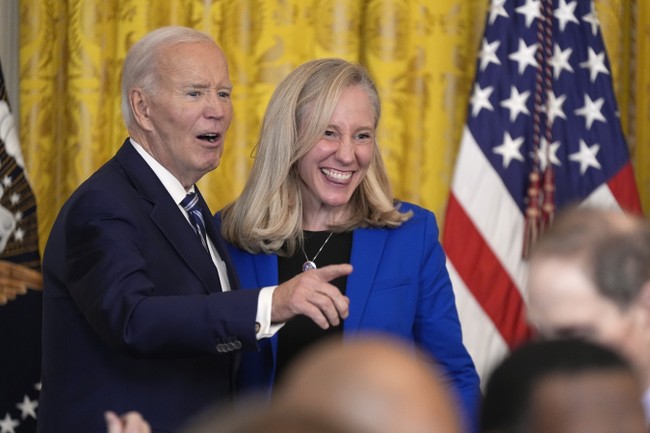
Former President Joe Biden suffered a humiliating gaffe while trying to pronounce “America” as he criticized the Trump administration at a forum on LGBTQ rights in Washington, DC, Friday afternoon.
Joe Biden no longer leads the United States of America … and it seems he might be having some trouble remembering the full name of the country — screwing up "America" during a speech. pic.twitter.com/4CUMI4EgEz
— TMZ (@TMZ) December 6, 2025
The noticeably frail 83-year-old Democrat disastrously bungled the name of the country he’s served for more than five decades during an impassioned moment in his keynote speech.
“I still believe that emerging from the many crises caused by this administration, as we have constantly, none the less, come out stronger, wiser, and more resilient — but we just have to get up,” said Biden who frequently stumbled over his words during his nearly 20-minute remarks.
“As long as we keep the faith, some hope and get back up and remember who in the hell we are — we are the United States of Amerigotit,” he fumbled, before continuing, “That’s who we are. We are the US.”
The visuals and audio made the moment impossible to ignore, and conservative outlets wasted no time framing the episode as emblematic of a failed presidency. Pundits used it to argue that voters deserve clarity on his mental sharpness and that the American people should not have to guess about the president’s cognitive state. That push framed the gaffe as a political issue, not merely an embarrassing slip.
Republicans described the stumble as one more data point showing a disconnect between public messaging and private concerns inside the administration. The critique focused on how staff manage appearances and whether they are masking bigger problems for the sake of optics. For many, the question is less about compassion and more about accountability and transparency.
Coverage of the episode exposed a divide: some commentators saw a tired man caught on a bad day, while others saw a leadership gap that has real consequences for policy and national confidence. The debate quickly moved from social feeds to cable panels, where the clip was replayed and debated with familiar partisan intensity. Conservatives argued those conversations matter because they shape voter perceptions ahead of future elections.
Republican voices stressed that repeated moments like this chip away at credibility, especially when millions are watching and judging who should lead. They argued elected officials must be scrutinized and that voters deserve honest exchanges about fitness for office. That criticism ties directly into campaign messaging and the kinds of questions challengers will press in debates and on the trail.
Beyond the political theater, the gaffe highlighted an operational reality: staffers often smooth over or stage-manage public appearances to avoid messy moments. Skeptics warned that if those interventions hide serious problems, the public is being misled. That line of argument demands greater transparency about how the president’s schedule is set and who controls access.
Several commentators said the episode will be used relentlessly in the 2026 cycle to sharpen contrasts and drive turnout. Republicans view it as a moment that underlines differences in energy, judgment, and steady leadership they say America needs. The clip offers a compact narrative that can be replayed and amplified on social platforms and in campaign spots.
Critics also noted the media’s uneven coverage, arguing outlets often buffer Democrats while pouncing on similar mistakes from conservatives. That perception feeds frustration among Republican voters who feel mainstream coverage is tilted. The gaffe gave critics fresh material to press that point and keep attention on what they call double standards.
At the end of the day, opponents say the public deserves candid assessment of its leaders without spin or euphemism. They insist the gaffe is not an isolated soundbite but a symptom voters should consider when weighing who best represents the country’s future. As the footage circulates, its political utility is already clear to those planning strategy for the next contests.