Brigitte Bardot’s life, activism, and controversial warnings about Islam in France are examined alongside her legal battles and the security events that followed, presenting a critical view of how French authorities handled her claims and how recent attacks and reports have echoed her concerns.
Brigitte Bardot, who died at 91, left a huge film legacy and became a fierce advocate for animals and a blunt critic of Islam’s influence in France. Her outspokenness on cultural change and immigration repeatedly landed her in French courts, where she was convicted several times for remarks deemed to be “inciting racial hatred.” Those convictions and the fines she faced are part of the public record and shaped how many remember her later years.
Bardot was first fined in 1997 after criticizing ritual slaughter practices and warning about demographic changes, calling the rite “torture, signs of the most atrocious pagan sacrifices” and warning of “foreign overpopulation.” She faced a $1,600 fine and the possibility of a much heavier sentence, and she was cited again in 1998. In 2000 she reiterated similar concerns in print, writing, “My country, France, my homeland, my land is again invaded by an overpopulation of foreigners, especially Muslims.”
Subsequent rulings found her words repeatedly crossed France’s laws on hate speech. In 2004 a court described passages in her book as “inflammatory rhetoric on immigration, homosexuality, the role of women in politics, and unemployment,” and ordered her to pay about $6,000. In 2008 she was convicted again and fined roughly $23,000, receiving a suspended two-month prison sentence for saying the Muslim community was “destroying our country and imposing its acts” on France.
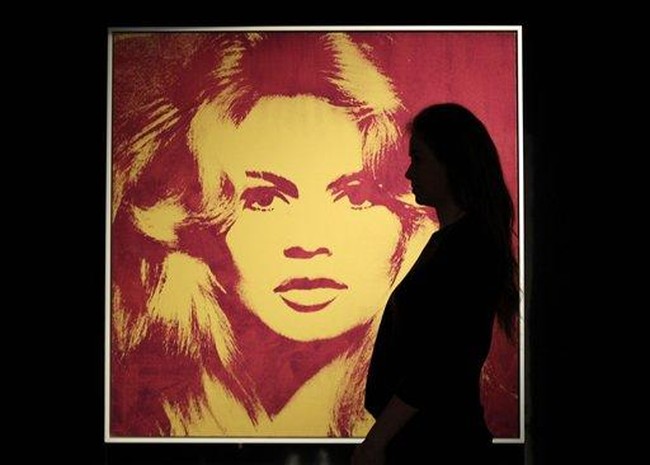
A still camera can't adequately convey all of Brigitte Bardot's magic.
See her movies.
I'd recommend:
And God Created Woman
Contempt (Le Mepris)
Viva Maria!
La Verite#RIP#Bardot pic.twitter.com/lbWoEYig7b— Tweetoleon (@Tweetoleon) December 28, 2025
The legal penalties did not silence the debate about security and national identity. Terror struck France in multiple, devastating ways after those rulings: the Bataclan massacre killed more than 130 people and injured hundreds, the 2016 Nice attack left at least 84 dead, and 2020 alone saw eight attacks including another strike near Charlie Hebdo and the beheading of a schoolteacher. Those events hardened public opinion and raised fresh questions about integration and public safety.
Public sentiment reflected those fears. A study cited in the years after those attacks found a large majority of French people considered ISIS a major threat, and local reporting has repeatedly flagged concerns about radicalization and ideological influence. In one recent account French authorities and outlets discussed the long-term risks posed by groups linked to the Muslim Brotherhood and the potential erosion of secular values at the neighborhood level.
Paris itself has felt those consequences: officials canceled the large Champs-Élysées New Year’s Eve celebration amid security worries and replaced live festivities with a prerecorded show. That decision was framed by police and city leaders as a response to rising disorder in some districts, and it underscored how public life and national traditions can be altered when safety is at stake.
Paris has canceled its New Year’s Eve celebration along the Champs-Élysées amid growing security concerns and is replacing it with a pre-recorded video and a televised countdown.
The city’s celebration last year drew a crowd of one million people along what many describe as the “most beautiful avenue in the world.”
But because of mass migration, the event is no longer considered safe by the city’s police, who urged city officials to encourage people to watch the fireworks from their living rooms.
Champs-Élysées has recently been plagued with violence and lawlessness, as groups of Muslim migrants take to the streets at night, looting luxury stores, and getting into fights with police and others.
Bardot had long been seen as a living symbol of France’s Marianne — glamorous, defiant, protective of French culture and freedoms. That image made her criticisms feel personal and urgent to many who shared her fears about national identity and security, and it made her a lightning rod for legal and cultural battles over free speech and social cohesion.
Whether one agrees with her tone or not, Bardot spoke into an environment that later experienced deadly attacks and growing fears about ideological influence and public safety. Her prosecutions were framed as upholding French anti-hate laws, but critics argue that prosecuting a national figure for warnings about cultural change sent the wrong signal about how France confronts threats.
Her passing closes a chapter in French cultural history and leaves unresolved tensions about how to balance free expression, secular values, and security in a changing society. Many will remember her films and her charity work, while conservatives will note that many of the issues she raised went on to become central to national debates about immigration, integration, and public safety.