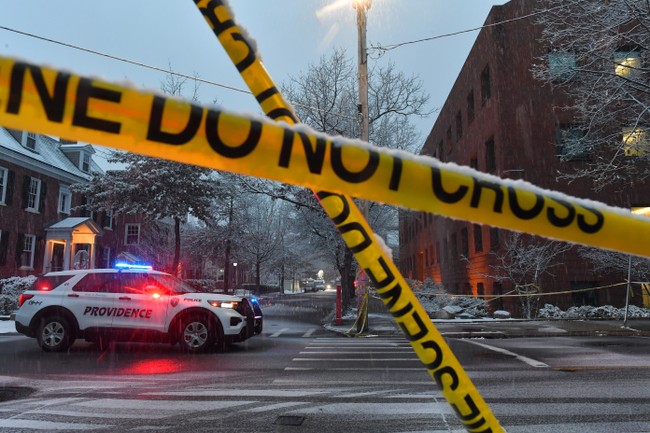
Brown placed its top security official on administrative leave after a deadly December 13 shooting, amid evidence the attacker was seen casing buildings beforehand and questions over why campus security and administrators did not act sooner.
On December 13, Claudio Neves Valente, 48, a Portuguese national, opened fire in an engineering building at Brown University, killing two people and wounding nine others. Authorities later found Valente dead five days after the shooting in a storage unit in Salem, New Hampshire. Those basic facts sharpen the central question campus leaders now face: how did warning signs get missed and why was the building unsecured?
Brown’s claim that the building was left open because it was finals week has been contested by students and staff, and that dispute has only intensified scrutiny of university decisions. A faculty member and a custodian say they saw Valente casing the building weeks before the attack, which suggests opportunities to intervene. “John,” identified as a homeless man who lived in the basement, provided a key lead by giving a description and details including the make, model, and tags for a rental car.
The public appearances from Rhode Island and Brown officials have been criticized as chaotic, and Mayor Brett Smiley’s comment about being tired did not help the perception that leadership was prepared. Of course, because liberals don’t work. Critics argue those early press conferences reflected a lack of accountability rather than a sober plan to address obvious security failures.
Facing likely legal exposure and intense public pressure, Brown has brought in outside counsel, specifically a former US attorney, and placed the university police chief on administrative leave. That administrative action signals the university understands the stakes: missed warnings, an unsecured building, and possible policy failures leave it vulnerable to lawsuits and federal scrutiny. The move to suspend the chief is less about drama and more about creating distance while investigators dig into what went wrong.
BREAKING: Trump admin. says it will investigate security failures at Brown University after deadly mass shooting https://t.co/VJZSfYoreV pic.twitter.com/24itjDb6Nu
— Breaking911 (@Breaking911) December 23, 2025
Federal attention arrived quickly, as the Trump administration announced a review of the university’s security practices and the circumstances around the attack. That escalation turns a campus tragedy into a national test case on how institutions handle threats and whether federal standards for campus safety should be enforced more strictly. For a university that markets itself as elite, that kind of federal spotlight is both embarrassing and potentially costly.
On the ground, people who noticed odd behavior are asking why their reports didn’t trigger a stronger response. When faculty, custodial staff, and local residents see someone repeatedly scoping a building, basic security protocols should kick in: verification, monitoring, and if necessary, restrictions on access. The fact that “John” supplied vehicle tags and a detailed description yet no decisive action followed has fueled anger and a sense that bureaucratic protocol failed the community it is supposed to protect.
The administrative leave sends a clear message that Brown is hedging against liability and preparing for tough questions in court and from the press. It also buys time for internal reviews and a more controlled public relations posture while investigators and the federal review proceed. But critics will argue time spent on image management does not replace concrete fixes to how campuses assess threats and secure sensitive facilities.
Families, students, and alumni are rightly demanding answers and durable changes, not just personnel moves. The hard work ahead will be documenting who knew what and when, revising access rules to critical buildings, and ensuring every credible tip is treated as the potential start of a real threat assessment. If institutions want to keep students safe, they will have to accept uncomfortable truths about gaps in procedures and act quickly to close them.