Brown University’s response to a deadly campus shooting has been chaotic, with officials offering few answers, web pages being scrubbed of a name, and local leaders failing to provide clear information as the community searches for the suspect and accountability.
An attacker entered the engineering building at Brown University over the weekend, killing two students and wounding at least eight others. The basic questions remain: how did the shooter gain entry, who did this, and what was the motive. With no clear image, person of interest, or publicly established lead, the situation is still dangerously unsettled.
Press briefings have been maddeningly thin, and the refrain from officials has been loud in its emptiness: “I don’t know.” University president Christina Paxson, the police chief, and Mayor Brett Smiley have all stumbled through explanations that fail to inform or reassure a frightened campus and city. For anyone who expects decisive, accountable leadership in a crisis, these rambling performances look like failure, not careful caution.
The commentary from local officials didn’t help. The man complained about being tired, a baffling aside from a public official facing a live shooter situation that called for urgency and clarity, not anodyne complaints. When lives are on the line and a suspect is at large, the public deserves firm answers and a plan, not weariness as an excuse for confusion.
Umm, why did @BrownUniversity just scrub its entire website of Mustapha Kharbouch (Free Palestine, LGBTQ activist)? pic.twitter.com/GjnJ9vxmjS
— End Wokeness (@EndWokeness) December 16, 2025
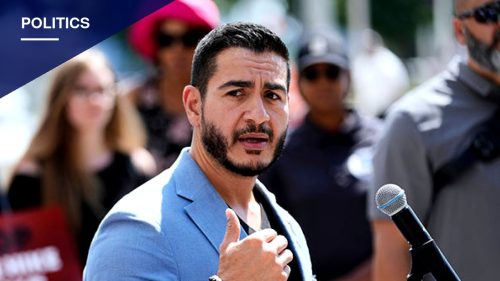
Then there’s the weird, unsettling detail about a name being scrubbed from university pages in real time. The latest update concerns Mustapha Kharbouch, a name that suddenly became conspicuous by its absence on Brown-run sites even though no formal suspect status has been established. That sort of erasure raises obvious questions: is information being withheld, or is the university scrambling to correct a mistake? Either option signals trouble.
Attorney General Peter Neronha’s apparent irritation at reporters pressing on the scrubbed pages only made the moment worse, because when officials push back at transparency it looks like they have something to hide. Scrubbing digital footprints should never be performed in public while people are still in danger and families are waiting for answers. The optics are indefensible and feed suspicion at a time when trust is already brittle.
The communication failures extend to emergency protocols themselves. Officials spoke as if notifications are “active shooter-depending,” a confusing phrase that leaves students and staff wondering how and when they will be warned or sheltered. Clear, consistent messaging is basic public safety; when that breaks down, lives can be put at risk and panic spreads faster than facts.
This episode isn’t just about one tragedy, it’s about capacity. Colleges are supposed to protect students and give straight answers when things go wrong. If campus leaders and city officials can’t offer clear, timely, and honest information in the immediate aftermath of a mass shooting, then accountability ought to follow as the dust settles.
Citizens and parents will remember how officials behaved in crisis, and voters will too. Brown University and Providence leaders need to stop defending foggy statements and start explaining facts, timelines, and steps taken to catch the shooter and secure the campus. That’s the baseline expectation after a senseless attack, and anything less is unacceptable.