Democrats have pushed a proposal that would force airlines to pay passengers for long delays and cancellations, a move critics say will raise ticket prices and shift costs onto travelers.
Lately Democrats have stopped talking as loudly about affordability and turned to high-profile proposals that score headlines. With some everyday prices cooling, the focus has shifted to issues that energize their base instead of lowering costs for ordinary families. That approach includes legislation that critics warn will make travel pricier for everyone.
Past policies like the Obamacare subsidy expansions are often cited as examples of well-intended laws with pricey side effects. When subsidies or mandates raise costs for companies, those expenses usually trickle down to consumers in the form of higher premiums or fees. That pattern makes voters skeptical when lawmakers promise protections that come with a bill to be paid later.
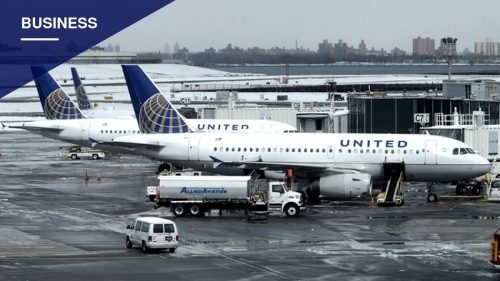
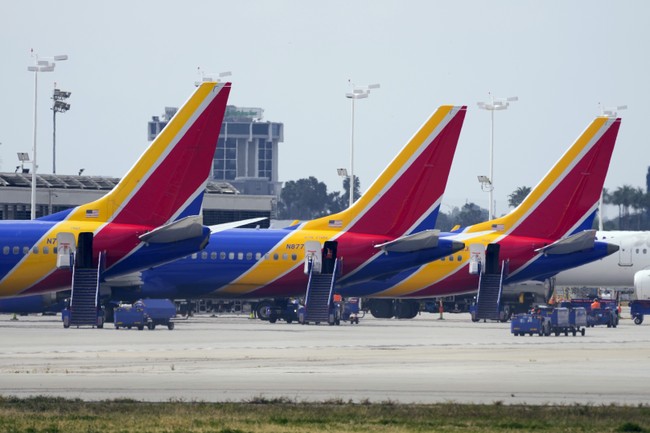
Now Democrats are proposing penalties on airlines when flights are delayed or canceled, requiring carriers to compensate passengers directly for disruptions. The bill would fine airlines tens or hundreds of millions if disruptions pile up, and critics say carriers will simply build those risks into ticket prices.
Sens. Mark Kelly, D-Ariz., Richard Blumenthal, D-Conn., and Ed Markey, D-Mass., proposed the measure, which has been co-sponsored by more than a dozen other Democrat senators.
DELAY PAYDAY: Democratic senators roll out a new bill that would require airlines to pay passengers $300 if their flight is delayed by more than three hours and $600 if their flight is delayed by at least six hours.
The bill would also require airlines to compensate passengers… pic.twitter.com/AdTpxVkLnT
— Fox News (@FoxNews) December 6, 2025
Under the bill, dubbed the Flight Delay and Cancellation Compensation Act, airlines would need to pay passengers $300 if their flight is delayed by more than three hours and $600 if their flight is delayed by at least six hours.
It would also require the Department of Transportation to mandate airlines compensate passengers for meals, hotels and transportation resulting from flight disruptions, regardless of the cause.
“Flying is already stressful and expensive. Airlines have to be accountable when they cost the American people money and travelers are left stranded,” Kelly said in a press release. “We’re working to make sure that passengers are protected so that cancellations and delays don’t cost them money out of their own pockets.”
This comes after the Department of Transportation withdrew a Biden administration plan to provide cash compensation to passengers facing delays. That proposal would have required airlines to pay customers between $200 and $300 for delays of at least three hours, between $375 and $525 for delays of at least six hours and between $750 and $775 for delays of at least nine hours.
Those compensation requirements sound good on a sound bite, but the economics are blunt: someone has to pay for them. Airlines operate on relatively thin margins, and forcing fixed payouts for delays creates a cost center that won’t disappear. Passengers will see those costs show up in higher fares, more fees, or reduced service.
Democratic backers seem happy to own the headline while ignoring the follow-on bill shock for travelers. The political calculus is simple: create a catchy promise, then leave businesses to absorb the fallout or pass it along. Republicans should stress that this approach shifts expenses to the middle class rather than solving root problems.
There are also safety tradeoffs to consider when penalties become the primary lever for change. Many delays are driven by mechanical, weather, or staffing realities that aren’t under a carrier’s immediate control, and punishing airlines for those outcomes could backfire. Forcing a choice between paying fines and delaying necessary maintenance or crew rest could raise real safety concerns.
That pattern of using fines as a blunt instrument plays right into a broader habit of government piling costs on private companies. Instead of fixing the underlying issues, policymakers impose mandates and expect the market to absorb them. When the market can’t, consumers end up footing the bill in the form of higher prices and fewer service options.
Some Democratic rhetoric even frames travel as a problem for the planet, which doubles as a justification for discouraging flying. If lawmakers want fewer flights, they can say so, but voters deserve honesty about tradeoffs and costs. Treating travel as a luxury to be discouraged doesn’t help working families who rely on affordable flights for work and family.
Meanwhile, partisan angles are already in play, with Democrats able to use airline incidents as opportunities to criticize political opponents. Attacking President Trump and Secretary Duffy over isolated events fits a strategy of turning every headline into a political weapon. That dynamic is familiar and predictable.
This proposal is another example of headline-driven policymaking: it promises protection up front and delivers higher costs afterward. Voters should be able to weigh the intention against the likely outcomes, and policymakers should be honest about who pays when government adds new mandates.