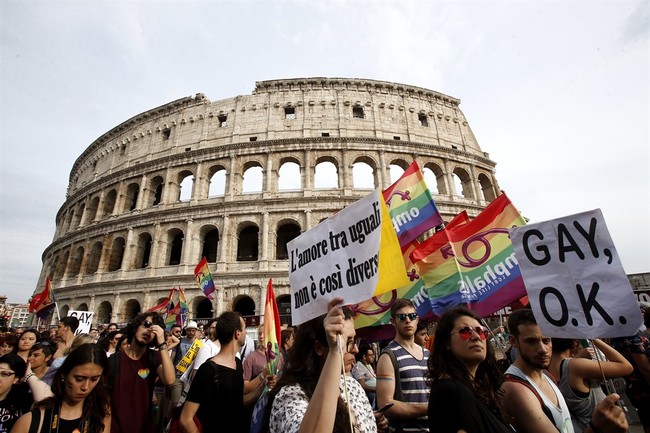
Across Europe a clear political realignment is underway: as Muslim populations grow and Islamist influence becomes more visible, many gay voters are turning toward right-leaning, populist parties out of concern for safety, cultural preservation, and the legal frameworks that made LGBT equality possible.
Across the continent, visible shifts in voting patterns are driven less by abstract ideology and more by everyday fears and cultural clashes. Gay voters, who once gravitated toward left-of-center parties, now see conservative and populist options as the only practical shield against threats they perceive from Islamist communities. That change is producing unexpected coalitions and hard political choices.
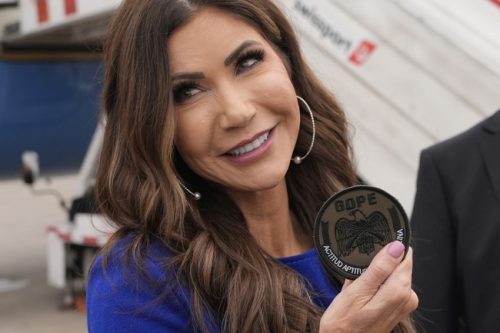
Writer Albie Amankona labels this trend “homonationalism.” At a recent LGBTQ+ conservative fundraiser MP Katie Lam argued that LGBT rights such as same-sex marriage, are the product of particular cultures, and that Britain and the West built the “legal and cultural framework that made LGBT equality possible.” Her point is straightforward: rights depend on political culture, and cultures that reject liberal individualism imperil those rights.
That cultural clash shows up in small, telling incidents as well as in big policy fights. A viral clip from France captured a Muslim influencer offering a flamboyant young man cash to say “salam aleykoum” (“peace be upon you”), and the man bluntly replied, “N. We’re in France here.” Moments like that expose friction over public norms and identity, and they help explain why some LGBT voters no longer trust the left to defend them.
Gay voters in Europe are moving sharply towards the populist right. Mass migration from parts of the world that are hostile to gay rights has shattered old political allegiances. Homonationalism is on the march, says Albie Amankonahttps://t.co/qE4y4snUoR
— spiked (@spikedonline) December 30, 2025
The debate over immigration, integration, and free expression has also produced strong reactions to public figures. The recent passing of Brigitte Bardot revived old controversies because she publicly warned about Islamist influence and was repeatedly taken to court and fined for speaking out. For her “crime” of ungoodthink, Bardot was dragged into French courts multiple times and fined thousands of euros, which many saw as evidence that speaking honestly about cultural risks can be punished.
Many on the right argue that criticism of Islamist ideology is not the same as irrational prejudice, and they point to violent incidents and repressive social norms in some immigrant communities as justification. “Islamophobia” doesn’t exist. No one has an irrational fear of Islam, and sensible concern about practices that deny women and LGBT people basic rights is a political position, not a moral failing. Cities like Paris cancel public celebrations after credible terror threats, and voters notice.
Electoral shifts are measurable. Amankona notes that in 2022 France’s National Rally sent the largest number of openly gay MPs to parliament, and that somewhere between 20 and 25 of the party’s 89 MPs are “believed to be gay.” Similar patterns appear elsewhere: when voters see parties promising to limit uncontrolled migration and defend liberal institutions, some LGBT citizens respond by voting for those parties, even if they disagree on other social issues.
In Spain, YouTuber Carlitos de España voiced a raw fear: “‘Islam keeps me up at night. They want me dead.” That sense of danger helped spawn Las Marifachas, a deliberately provocative group whose name fuses a slur for gay men with a slur for fascists, and the group has helped “build a bridge” between parts of the LGBT community and the right-leaning Vox party. In Germany the Alternative for Germany is led by Alice Weidel, a lesbian in a civil partnership, and surveys on gay dating platforms have shown surprising support for the AfD among users.
Violent episodes feed political realignment and make the debate urgent. In 2020 three gay men — James Furlong, David Wails and Joe Ritchie-Bennett — were murdered by Libyan refugee Khairi Saadallah in an attack linked to religious extremism, and such tragedies linger in the public memory. These events harden opinions and push vulnerable communities toward parties promising security and cultural continuity.
The result is a messy, politically charged landscape where the left’s instinct to dismiss these voters as bigoted only widens the gap. Instead of reflexive denunciations, conservative voices argue for listening to legitimate safety concerns and defending the legal and cultural foundations that made equality possible. The debate will shape politics across Europe as gay voters weigh which parties best protect their lives and freedoms.