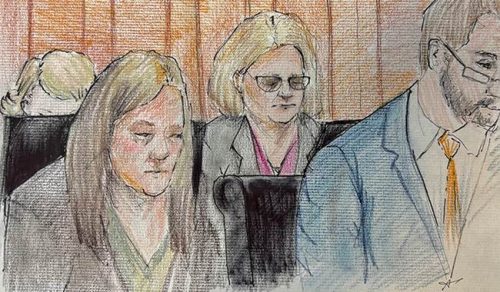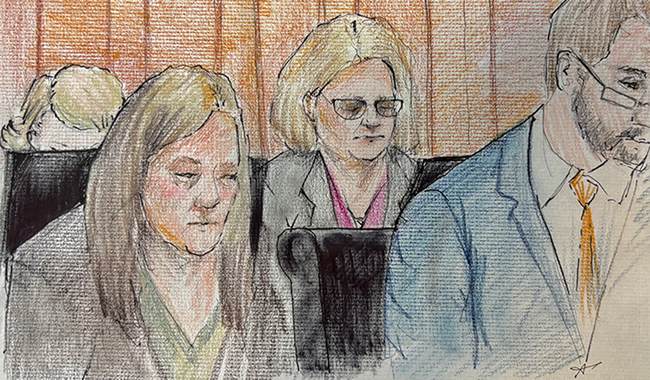
Milwaukee County Circuit Court Judge Hannah Dugan was convicted of felony obstruction but acquitted of a related misdemeanor after a four-day trial, following an FBI arrest tied to an effort to shield an undocumented defendant from ICE.
The jury found Judge Hannah Dugan guilty of obstructing law enforcement and not guilty on the misdemeanor count after evidence about her actions in the courthouse. Authorities arrested her in April, alleging she helped Eduardo Flores-Ruiz avoid an ICE arrest while he was in her courtroom on criminal charges. The case has put a spotlight on judicial behavior and the clash between local actors and federal immigration enforcement.
Prosecutors detailed moments when Dugan confronted federal agents in a public hallway and attempted to push them away from the area where court business was happening. They also showed she escorted Flores-Ruiz and his attorney through the jury door into a non-public space, which the government said directly interfered with the agents’ effort to take custody. Flores-Ruiz was detained soon after he left the courthouse and was known to have been deported in 2013 before returning to the country unlawfully.
🚨BREAKING: A jury finds Milwaukee County Judge Hannah Dugan GUILTY of the felony charge against her (obstructing) and NOT GUILTY of the misdemeanor (concealing)
— Matt Smith (@mattsmith_news) December 19, 2025
Flores-Ruiz was facing domestic violence charges in Dugan’s court when the incident occurred, and several victims were present that day. One prosecution witness said the victims appeared “uncomfortable” being in the presence of the defendant while the courtroom process unfolded. That discomfort became part of the prosecution’s narrative that courtroom safety and victim rights were undermined.
Victims described severe, violent conduct that brought them into court seeking relief, and their testimony painted a clear picture of harm. The victims told jurors Flores-Ruiz “hit the guy 30 times, knocked him to the ground, choked him, beat up a woman so badly, they both had to go to the hospital.” Their accounts underscored why the government argued the defendant’s presence in court posed a real problem for those trying to pursue justice.
The arrest drew an immediate political response. Democrats who had long said “no one is above the law” rushed to defend Dugan, calling the arrest unjust and alleging it was political retaliation. Those claims did not go unchallenged; Yale Law professor Jed Rubenfeld said her arrest was “legit.” The split reaction highlights how quickly law enforcement actions involving immigration and public officials become partisan flashpoints.
State authorities moved as well: in the same month she was arrested, the Wisconsin State Supreme Court suspended Dugan indefinitely, removing her from the bench while the criminal matter proceeded. That suspension is a separate administrative step from the criminal charges and reflects the court’s need to preserve public confidence in the judiciary. The loss of a sitting judge for any period of time raises immediate operational questions for the courts she served.
Dugan now faces statutory penalties that could include up to five years behind bars and a maximum fine of $250,000 for the felony obstruction conviction. Those maximums reflect the seriousness with which the law treats interference with federal officers performing their duties. Any actual sentence will depend on judges applying sentencing guidelines, but the potential exposure is substantial.
From a Republican perspective, the case strikes at two fundamentals: the rule of law and judicial neutrality. Judges who take actions that appear to shield individuals from federal enforcement cross a line that risks politicizing the bench and eroding trust in courts designed to be impartial arbiters. The public expects judges to apply the law, not to obstruct those enforcing it.
The criminal trial lasted four days, with jurors weighing testimony, witness accounts, and courtroom video to reach a verdict that split the charges. While the jury cleared Dugan of the misdemeanor, the felony conviction remains and will shape the next phase of legal proceedings. Her legal team can pursue appeals or seek other post-conviction remedies, but the conviction itself is now part of the record.
Procedurally, the court must now set dates for sentencing and any further motions, and any appeal timeline will follow established rules. The case will likely continue to draw attention as advocates on both sides argue about accountability, immigration enforcement, and the proper conduct of judges under pressure. What happens next will matter for the parties involved and for anyone watching how courts handle conflicts between state actors and federal agencies.