Australia’s reaction to a terrorist attack has exposed a stark choice: tight speech controls to preserve “multiculturalism” or the American-style freedom to say unpopular things, and that choice reveals how political elites prioritize social cohesion over basic liberties.
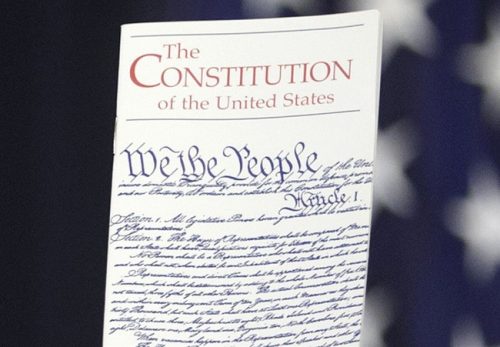
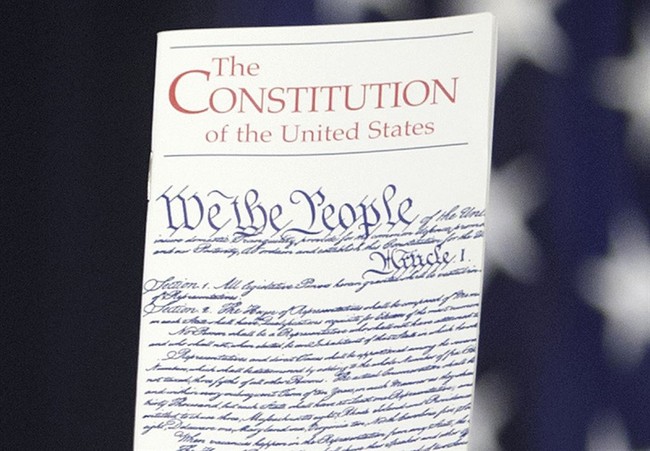
I start from a simple place: free speech matters. Our Constitution’s First Amendment isn’t a nice-to-have ornament; it is the backbone that lets citizens call out bad ideas and hold power to account without fear of being silenced by law.
Recent events in Australia show what happens when leaders decide speech is the problem and not the ideology driving violence. After a brutal terrorist attack, officials moved to tighten gun laws and expand prohibitions on “hate speech,” treating warnings about an extremist ideology as equivalent to the violence itself.
That reaction has consequences. When governments treat criticism as a crime and shield particular communities from debate, they remove an avenue for peaceful pushback and honest discussion. In practice, these policies mute ordinary citizens while the radicals who spout violence stay under the radar.
Premier Chris Minns made the case plainly in a press briefing, arguing that stronger protections against vilification are needed to “hold together a multi-cultural community.” He warned about the “toxic message” reversing recent speech restrictions would send and asked rhetorically what kind of “racist abuse” advocates wanted to permit in Sydney’s streets.
Here is what he said: “There’s been some that have been agitating in the Parliament to nullify the laws, to remove them off the statute books,” Minns says. “Think about what kind of toxic message that would send to the New South Wales community.”
And: “And I think the advocates for those changes,” Minns continued, “need to explain what do they want people to have the right to say? What kind of racist abuse do they want to see or be able to lawfully see on the streets of Sydney?”
Minns doubled down with this line: “I recognize and I fully said from the beginning that we don’t have the same freedom of speech laws that they have in the United States. And the reason for that is we want to hold together a multi-cultural community and have people live in peace free from the vilification and hatred that we do see around the world.”
Australian politician: "We don't have the same freedom of speech laws they have in the United States and the reason for that is we want a multi-cultural country"pic.twitter.com/9uPCKo8r5Y
— Defiant L’s (@DefiantLs) December 22, 2025
Those quotes matter because they reveal an assumption: that free expression inevitably turns into mob-level abuse unless restricted. From a conservative perspective, that assumption is backwards. Free speech is the tool that lets citizens expose threats, organize responses, and challenge ideologies that reject our values.
Labeling every critique as “racist” or “Islamophobic” shuts down debate instead of dealing with real problems. You can and should differentiate between lawful criticism of an ideology and bigoted harassment of individuals, but laws that broadly gag critique hand victory to the radicals who exploit silence.
There is also a practical truth: banning speech does not make violence disappear. It drives dissent underground, where it grows unchecked and becomes harder to counter with open discussion, de-radicalization programs, and law enforcement work that benefits from public reporting and scrutiny.
We should, of course, protect people from targeted threats and criminal acts, and we should pursue those who commit violence. But broad new speech crimes aimed at preserving an idealized multicultural harmony risk protecting bad ideas as untouchable doctrines and criminalizing the very civic debate that keeps democracy alive.
From a Republican frame, the American model—messy, loud, and unapologetic—beats a managed civic peace that depends on enforced silence. If the cost of free speech is that some will say things that make you uncomfortable, that is preferable to letting elites decide which ideas are off-limits by fiat.
Australia’s choices should be a warning: when political leaders prioritize a fragile social unity over constitutional rights, they cede power to forces that want to reshape society in ways many Americans would find unacceptable. A free people should insist on protecting both social order and the freedom to speak and think openly.