The 115-page “pulse check” on the Patel-led FBI paints a messy picture, raising questions about leadership, internal culture, and how public-facing priorities are balancing with core investigative work.
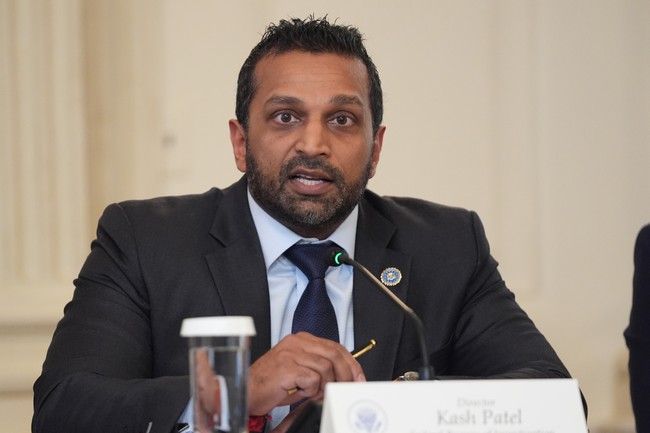
The report filed for the House and Senate Judiciary Committees reads like a blunt internal check on the bureau under Director Kash Patel and Deputy Director Dan Bongino. It leans heavily on anonymous internal accounts and specific episodes, and it lands on several sharp criticisms. That mix of rank-and-file complaints and high-profile missteps has created headlines and hardened divides in Washington.
Inside the document, multiple staffers question Patel’s depth of experience and his fit for the director role, and they flag a leadership style that some feel has eroded trust. The criticism also targets day-to-day conduct and a perceived tilt toward media visibility over quiet, steady management. Those are blunt charges in any house-cleaning review of a federal law enforcement agency.
The Patel-led FBI is described in the 115-page report as a “rudderless ship” and “all f–ked up.”
Patel is described by multiple internal sources as inexperienced, with one source saying he “has neither the breadth of experience nor the bearing an FBI director needs to be successful.”
Another source, a self-professed Trump supporter, said Patel is “not very good,” “may be insecure,” and “lacks the requisite experience” or the “measured self-confidence” to be FBI director.
However, an additional source described him as “very personable and likable” while noting he “created a culture of mistrust and uncertainty among the ranks.”
Some of the heavy criticism stems from Patel’s behavior in Salt Lake City after the Charlie Kirk assassination. He is accused of giving “premature public remarks” that potentially jeopardized the investigation, taking credit for the work of other agencies when the suspect was arrested, and for yelling and swearing at the agent in charge.
Both he and Bongino were criticized for “arrogance” and an “unfortunate obsession with social media.”
One source said they need to “stop talking, stop posing, and just be professional.” Another said they are “spending too much time on social media and public relations” and “are too often concerned with building their own personal résumés.”
Those specific Salt Lake City complaints stand out because they tie into an active, high-profile investigation and ordinary investigative risks. The report says Patel made remarks in public that might have complicated the case, and it claims there were tense interpersonal confrontations during the response. It even includes anecdotal frustrations about logistics like missing gear, which feed a broader narrative of operational slipups.
There’s a larger theme about style versus substance in how both leaders operate. Critics argue that a relentless focus on public posture and social media invites distraction and undermines internal morale. From a Republican perspective, it’s fair to say that being visible while also delivering measurable law-and-order wins is the real test of leadership at the Bureau.
At the same time, supporters point to results and a more aggressive stance on crime and national security priorities as evidence Patel’s team is producing outcomes. The agency’s crime-fighting statistics and arrests are part of the record that defenders use to counter the narrative of incompetence. Style will ruffle feathers in an institution built on quiet procedure, but outcomes matter to voters and to the law-abiding communities the FBI serves.
Deep-state Devine? That's an oxymoron — makes zero sense. @mirandadevine has devoted the better part of the last decade of her life exposing the deep state and the Biden crime family.
She's citing whistleblowers who put their livelihoods — some even their lives — on… https://t.co/InAUO5m6A6
— Susan Crabtree (@susancrabtree) December 2, 2025
Anonymous-source reports always raise questions about motives and context, and this review is no exception: internal dissent, leaked accounts, and Washington politics are tangled in the pages. Some sources in the report praise Patel as personable and likable even while saying he has created uncertainty, which underlines how divided perspectives inside the agency remain. That split makes it harder for Congress and the public to parse where legitimate oversight ends and partisan grievance begins.
Public officials will inevitably be held to account for missteps tied to major incidents, and the Charlie Kirk case will be a focal point for critics and defenders alike. The bureau’s leadership choices and communications around sensitive investigations will be scrutinized, and that scrutiny will shape how the agency moves forward. Watching how oversight committees act and whether the FBI changes internal practices will be important in the weeks ahead.