A state-versus-federal standoff erupted after the Biden-era system and the Trump administration clashed over frozen childcare payments to Minnesota amid widespread fraud allegations and long-running investigative claims.
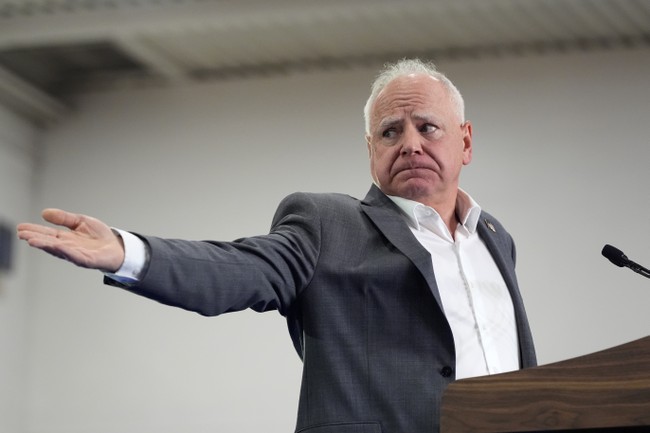
Minnesota Gov. Tim Walz pushed back after the Trump administration moved to halt federal childcare payments to the state, framing the decision as political. In a post on X, Walz called it “Trump’s long game” and said his office has “spent years cracking down on fraudsters.”
The federal action followed a series of reports alleging massive abuse of taxpayer-funded programs in Minnesota, including daycare payments tied to Somali-run centers. Deputy officials with the Department of Health and Human Services made the funding cut public and blunt about enforcement, writing, “We have turned off the money spigot and we are finding the fraud.”
Investigations described billions of federal dollars channeled through organizations that claimed to provide childcare but instead diverted funds for personal use or sent money abroad, allegedly to a terrorist organization in Somalia. Those charges are severe and have fueled the federal decision to pause payments until the flow of funds can be verified and cleansed of criminal activity.
The immediate fallout is practical: families that depend on this assistance could see interruptions while federal and state officials sort through audits and prosecutions. From a conservative perspective, pausing payments to stop theft and recover money is a necessary, if painful, step to protect taxpayers and ensure programs serve their intended purpose.
This is Trump’s long game.
We’ve spent years cracking down on fraudsters. It’s a serious issue – but this has been his plan all along.
He’s politicizing the issue to defund programs that help Minnesotans. https://t.co/7ByWjeXxu0
— Governor Tim Walz (@GovTimWalz) December 31, 2025
Fraud here is not presented as a one-off. Federal prosecutors have documented schemes dating back years, including a 2022 case tied to a program called “Feeding Our Future,” which allegedly diverted roughly $250 million intended to feed low-income children during the COVID era. That scandal put a spotlight on systemic weaknesses in oversight and enforcement.
Prosecutors now say investigators believe nearly half of $18 billion sent to Minnesota across 14 different social programs may have been misused since 2018. Those estimates underline the scale of the alleged theft and explain why federal authorities moved decisively to halt funds rather than let potential losses continue unchecked.
Walz’s framing of the freeze as politicized clashes with the federal view that stopping the money is a straightforward anti-fraud move. Republicans argue that protecting taxpayer dollars requires hard decisions and temporary disruptions when the alternative is continued largescale theft and possible support flowing to banned organizations overseas.
Practical next steps will center on state audits, prosecutions where warranted, and tighter controls to prevent recurrence. Holding bad actors accountable, reclaiming stolen funds, and tightening eligibility rules will be demanded by voters who expect their representatives to defend public money and the rule of law.