An effort to impeach President Donald Trump failed in the House, leaving the charge unproven and the vote split sharply along party lines.
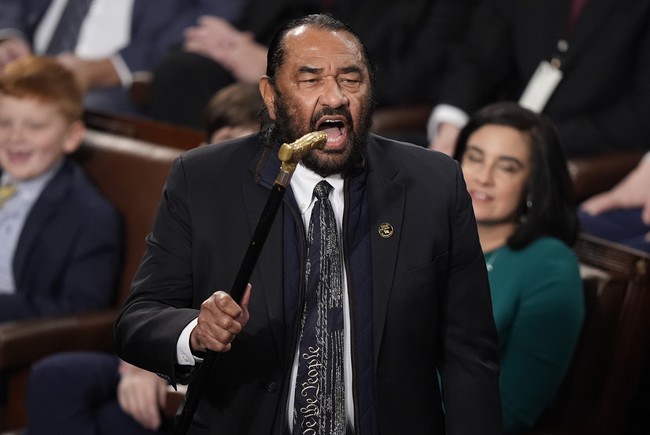
The House rejected a motion to impeach President Donald Trump in a 237-140 vote on Thursday, a clear defeat for the effort and a signal of limited appetite for removal. Representative Al Green of Texas pushed the motion, arguing the president abused his office. Conservatives saw the attempt as political theater rather than a legitimate constitutional response.
Supporters of the motion framed their case around several actions they called abuses: immigration enforcement policies, strikes against narcotics networks, and other national security moves the White House made. Democrats described those steps as part of a broader pattern they say threatens democratic norms. Republicans pushed back, saying policy disagreements do not equal impeachable offenses.
REP. GREEN: “I call for the impeachment of Donald John Trump.” 🥱 pic.twitter.com/ahTNtNGWZa
— Breaking911 (@Breaking911) December 11, 2025
Trump Impeach by scott.mcclallen
The resolution listed a number of specific complaints about the president’s conduct, accusing him of intimidating judges and alleging threats toward six lawmakers who urged members of the military not to follow certain orders. Those accusations were presented as the foundation for Articles of Impeachment, but lawmakers voting against the measure argued the claims did not meet the constitutional standard. The partisan environment in the House made it unlikely the motion would gain traction beyond a protest vote.
HR939 by scott.mcclallen
The text of the resolution went further into the accusations, asserting a pattern of behavior that, according to its authors, endangered public safety and democratic institutions. Members who supported the motion spoke passionately about perceived threats to judges and members of Congress, while many Republicans described those claims as exaggerated and legally thin. The political stakes were high, but the vote demonstrated insufficient support for impeachment.
“This resolution asserts that President Trump is an abuser of presidential power who, if left in office, will continue to promote violence, engender invidious hate, undermine our democracy, and dissolve our Republic, and that he is impeached for high crimes and misdemeanors. Article I pertains to President Trump calling for the execution of six Democratic lawmakers, all of whom are currently serving in the U.S. Senate or U.S. House of Representatives, and who previously served in the U.S. Military or in U.S. Intelligence communities.”
Republicans argued the motion was more symbolic than substantive, intended to make a political statement rather than build an evidence-based case. Party leaders emphasized the vote tally and the procedural record showing most members declined to escalate the matter. Conservative lawmakers said focusing on policy differences and the healing of voter confidence is a more constructive path forward.
Outside the chamber, administration figures defended Trump’s actions as necessary and consistent with presidential authority. Press Secretary Karoline Leavitt backed Trump’s changes from the former Joe Biden administration, saying they reflect a different set of priorities and law enforcement judgments. That public backing framed the impeachment effort as an episode in a larger partisan fight over direction and policy.
For many voters watching, the episode reinforced the sense that impeachment has become a political tool rather than a narrow constitutional remedy reserved for the gravest misconduct. Critics of the motion said the House should reserve such measures for clear, provable constitutional violations and not for disputes over deportation strategy or military actions. Supporters countered that their concerns went to the heart of presidential accountability.
The failed vote leaves the accusations on the record but without the force of removal, and it highlights the divide in Washington over how to respond to controversial executive decisions. Lawmakers on both sides used the debate to sharpen their messaging to constituents, setting up another chapter in the ongoing political battle over presidential power and congressional oversight. Expect the argument over boundaries of executive authority to continue in speeches, committees, and the courtroom rather than through immediate impeachment proceedings.