U.S. forces have moved to intercept a third Venezuelan oil tanker in a week, continuing a hardline effort to stop sanctioned oil from funding the Maduro regime amid diplomatic protests and official condemnations.
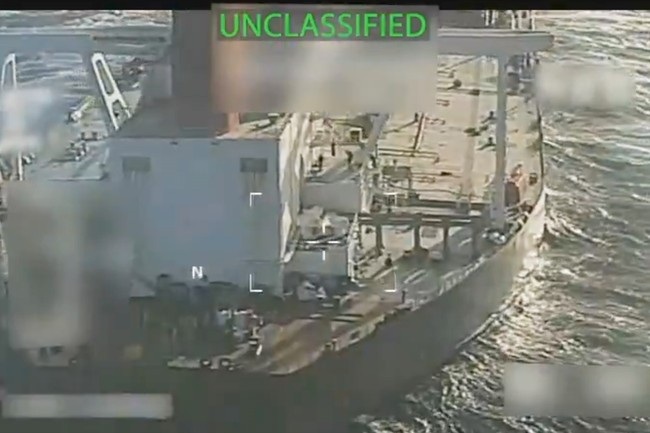
The U.S. Coast Guard is conducting an operation to seize another Venezuelan oil tanker detected moving in international waters. Officials say this is part of a sustained campaign to prevent sanctioned shipments from reaching buyers that would bolster the Maduro government. The move comes as Washington steps up enforcement of sanctions tied to Venezuela’s illicit oil networks.
This marks the third such operation in the past week and follows a seizure carried out less than 24 hours earlier. Video of a boarding operation on a previous vessel was released soon after that incident, underscoring the Coast Guard’s readiness to act. The pattern indicates a deliberate, coordinated effort to interrupt the flow of petroleum that enriches an authoritarian regime.
🚨 BREAKING: The U.S. just boarded ANOTHER sanctioned oil tanker off the coast of Venezuela – Bloomberg
The third one.
MAJOR FAFO is playing out right now.
Maduro is fuming! 🇺🇸🇺🇸 pic.twitter.com/ijpc15LfEh
— Eric Daugherty (@EricLDaugh) December 21, 2025
A Venezuelan government statement, attributed to Vice President Delcy Rodriguez, condemned the action and declared that she “denounces and rejects the theft and hijacking of a new private vessel transporting oil, as well as the forced disappearance of its crew, committed by military personnel of the United States of America in international waters.” Caracas portrays these interdictions as aggression, even as the United States points to sanctions and ship-tracking evidence as legal justification. The competing narratives are now playing out publicly while diplomats and legal teams sort through jurisdictional claims.
U.S. officials framed the seizures as enforcement of existing sanctions aimed at curtailing illicit revenue streams to the Maduro regime. From a Republican perspective, this is a straightforward use of maritime authority to protect national interests and uphold international sanctions. Those who want a softer line should recognize that allowing sanctioned shipments to proceed quietly would only reward bad actors and weaken deterrence.
Celebrating the successful operation, Homeland Security Secretary Kristi Noem released a statement on X:
Editor’s Note: Thanks to President Trump and his administration’s bold leadership, we are respected on the world stage, and our enemies are being put on notice. The enforcement actions on the high seas reflect a broader commitment to a tough foreign policy that prioritizes American leverage and accountability for regimes that flout rules.
Legal experts and policymakers will debate the finer points — jurisdiction, evidence chains, and crew treatment — but the operational message is clear: the United States intends to use its maritime capabilities to stop sanctioned oil from fueling authoritarian rule. That practical approach ties enforcement to policy outcomes, pressuring illicit networks and signaling resolve to both allies and adversaries. If Americans want security and stability, they should support measures that deny bad actors the resources to undermine the region.
These interdictions also have strategic implications for naval partnerships and regional security cooperation. Working with international law enforcement and allied coast guards can multiply the effect of U.S. actions while reducing the burden on any single partner. Republicans argue that strength backed by clear policy yields leverage at the negotiating table, and these operations are an example of translating leverage into action.
Beyond the immediate seizures, the situation will feed into wider debates over energy policy, sanctions design, and humanitarian concerns for Venezuelan civilians. Policymakers must balance enforcement with a plan that isolates corrupt officials while minimizing harm to ordinary people. For those who favor a firm stance, the takeaway is simple: enforce the rules consistently, keep pressure on the regime, and use American strength to protect long-term interests in the hemisphere.