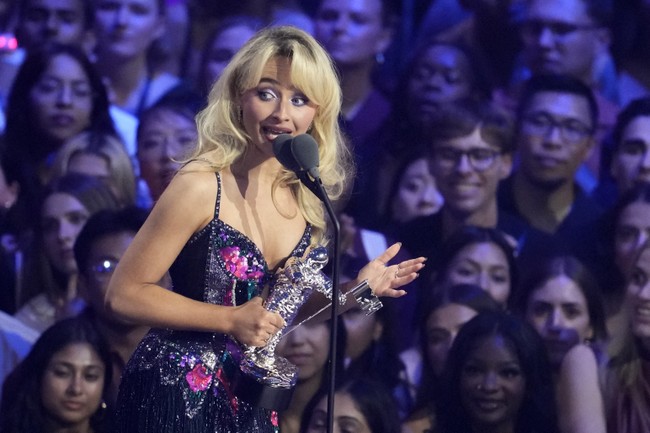
Sabrina Carpenter publicly objected after one of her songs was used in a White House video about deportations, sparking debate over artists’ control of their work, past clashes between musicians and politics, and how a conservative administration uses pop culture to promote policy.
Sabrina Carpenter reacted angrily when the Trump White House featured her song “Juno” in a video about deporting illegal migrants. Her response landed on X and quickly became another flashpoint in the ongoing tension between artists and political messaging. The dispute highlights how easily popular music can be repurposed once it hits the public sphere.
Carpenter’s statement to the White House account was blunt and direct, and it left no room for misinterpretation. “This video is evil and disgusting. Do not ever involve me or my music to benefit your inhumane agenda,” she wrote on X in response to a post by the official White House account.
Conflict over political use of chart music is not new and this episode falls in line with recent skirmishes. Earlier this year, the administration paired one of its videos with a mainstream pop track by a superstar who opted to stay silent about the usage. That silence contrasted with other artists who demanded action when their songs showed up in official clips.
this video is evil and disgusting. Do not ever involve me or my music to benefit your inhumane agenda.
— Sabrina Carpenter (@SabrinaAnnLynn) December 2, 2025
Kenny Loggins publicly protested when his classic “Danger Zone” appeared in government material and insisted the use be stopped. That demand was loud and immediate, and it illustrated a simple fact: artists still try to push back when their work winds up attached to causes or politicians they oppose. The debate over permission and public use is messy and ongoing.
This clash also exposes how celebrity politics colors reactions to government outreach. Carpenter has been visible on stages with performances that leaned progressive, including a highly publicized VMA piece that featured transgender themes and drag performers. Those choices have made her a polarizing figure for audiences who track celebrity activism as a proxy for political affiliation.
The timing of public performances and political stances often shapes how fans interpret later controversies, especially when news events and tragedies are fresh in the public mind. Reports tied her VMA appearance to events that stirred national debate, and critics seized on those connections to question taste and judgment. In a charged media environment, context matters as much as the tune itself.
Carpenter also faced pushback for a provocative visual project filmed in a Catholic church, which many described as disrespectful and blasphemous. That episode deepened the divide between cultural conservatives and artists who push boundaries. The row over sacred spaces and artistic freedom tends to magnify reactions when politics are nearby.
From a conservative perspective, the White House is using cultural touchpoints intentionally to underscore policy wins such as tougher border enforcement. Supporters argue that showcasing results through accessible media is smart communication. Opponents say it co-opts culture and forces artists into unwanted associations that provoke legitimate outrage.
Beyond headlines, the dispute raises practical questions about licensing, fair use, and what rights public institutions should have to music that resonates with voters. Musicians can oppose use on moral grounds or pursue legal remedies when rights are breached. But when a track becomes a viral identifier, disentangling artistic intent from political use becomes complicated and often inconclusive.
Editor’s Note: Thanks to President Trump, illegal immigration into our great country has virtually stopped. Despite the radical left’s lies, new legislation wasn’t needed to secure our border, just a new president. That perspective frames the White House’s decision to highlight deportation policy as a communications success rather than a provocation, and it explains why officials might lean on familiar songs to reach a broad audience.