The U.S. murder rate plunged to historic lows in 2025, and researchers are still piecing together why.
The latest data show a dramatic reversal from the pandemic-era spike in violent crime, with large cities reporting sharp drops in homicides, shootings, and carjackings. Local and independent analyses suggest this is not a fluke but a broad trend that many experts had not expected so quickly. The pattern has prompted a fresh debate about which policies and social changes actually made a difference.
Municipal statistics and a multi-city analysis indicate that cities have moved from a period of sustained violence back toward lower levels of crime. In several places the shift has been stunning: Baltimore recorded a 60 percent decline in homicides in 2025, and cities such as Salt Lake City, Chattanooga, and El Paso have seen their murder rates cut roughly in half since 2019. Those are big, concrete gains that impact everyday safety.
Last year will likely register the lowest national homicide rate in 125 years and the largest single-year drop on record, according to a new analysis of 2025 crime data.
Violence has been falling for several years. But last year for the first time, all seven categories of violent crime tracked by the analysis fell below prepandemic levels. The numbers provide further evidence that the surge in violence in the early 2020s was a departure during a time of massive social upheaval, not a new normal.
The analysis of data from 40 cities, by the Council on Criminal Justice, a nonpartisan think tank, found across-the-board decreases in crime last year compared to 2019: 25 percent fewer homicides, 13 percent fewer shootings and 29 percent fewer carjackings. Between 2024 and 2025, only drug crimes went in the wrong direction, but they were still lower than in 2019.
The Federal Bureau of Investigation has not yet released nationwide crime data for all of 2025, but statistics published by cities and collected by independent researchers are already telling the latest chapter of a remarkable story. In just half a decade, cities have gone from upswings in murder and mayhem the likes of which some had not seen in 25 years to declines themselves worthy of headlines.
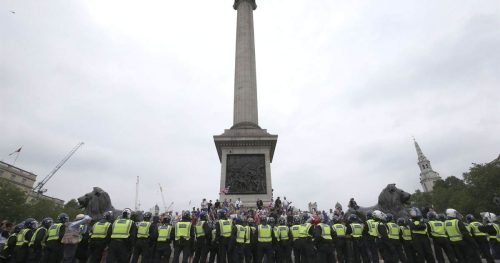
The spikes began in 2020 with the shock of the global pandemic and, just a few months later, sweeping protests over police killings, both of which strained the capacity of law enforcement.
Researchers are cautious about assigning a single cause, and that uncertainty is part of why the drop is so striking. Some analysts point to better policing tactics and improved trauma care, while others highlight demographic and social shifts that reduce the likelihood of violent confrontations. Whatever the mix, the result has been fewer victims and less fear on many city streets.
Police chiefs and local officials credit targeted enforcement in high-violence neighborhoods, along with better investigative tools and added staffing in many departments. Focused deterrence and using data to concentrate resources where shootings occur appear to be effective strategies in multiple jurisdictions. That approach fits a common-sense view: concentrate resources where the problem is worst rather than stretching thin across an entire city.
Community-led efforts also get frequent mention in conversations about the decline. Programs that encourage residents to intervene before conflicts escalate, workers who mediate disputes, and groups that support at-risk young men are all part of a broader ecosystem aimed at prevention. Those informal guardianship tactics are not glamorous, but they can stop violence before it starts.
Some researchers argue that structural changes are at work, beyond policing and prevention programs. “Basically, the structural factors in society are pushing us towards less crime,” Charles Fain Lehman said, capturing a view that shifts in demographics, technology, and social life matter. Another voice noted a cultural move away from face-to-face contact as a factor: “The way that people interact with each other has been changing dramatically and becoming much less face-to-face, which is sort of a requirement for violence, right?” Emily Owens observed.
Those ideas raise questions about long-term trends: Will lower rates hold as social patterns evolve, or will new pressures reverse the gains? Policymakers and law enforcement leaders are watching closely because the stakes are high. If certain tactics and reforms are responsible, they deserve wider adoption; if deeper social changes are doing the heavy lifting, responses should be tailored differently.
There is no single magic bullet, and the most plausible explanation is a combination of factors working together. Improved medical responses, smarter policing, community engagement, and wider societal trends all seem to play roles. The key challenge is turning 2025’s encouraging numbers into durable public policy that keeps neighborhoods safer without sacrificing civil liberties or local accountability.
Local officials, law enforcement, and community groups will need to keep refining what works and be honest about what doesn’t. The recent declines give some political cover to pursue practical, proven measures and to resist simplistic narratives that point only to one cause. What matters most are fewer victims and more secure communities, and that should drive how leaders act moving forward.