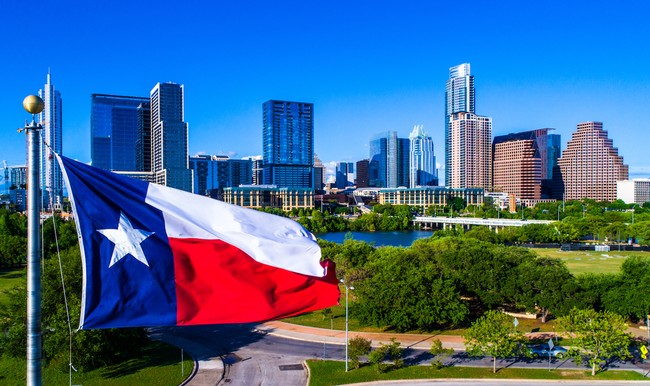
The Austin City Council has adopted a resolution declaring January “Muslim Heritage Month,” a move tied to local officials and organizations that some Republicans say have problematic national connections.
The City Council of Austin, Texas voted to designate January as the city’s “Muslim Heritage Month” after adopting a new resolution this month. The action puts an annual observance on the city calendar and signals a long-term commitment from the local government to the event. Critics say the timing and the backers make this more than a cultural recognition. Supporters call it a step toward inclusion for a growing community.
The resolution was carried by members of the council who identify with progressive and left-leaning politics, and it was sponsored by Austin’s first Muslim council member Zohaib Qadri along with Mike Siegel. The initiative was driven in large part by the Council on American-Islamic Relations, commonly known as CAIR, which has played an active role in promoting the month and related events. Local opponents argue that those associations deserve closer scrutiny given recent developments at the state level.
In November, Texas Governor Greg Abbott designated CAIR as a Foreign Terrorist Organization, a move that has added fuel to the debate here. Abbott alleges that the group holds connections with Hamas and is working to “impose Sharia law and establish Islam’s ‘mastership of the world.’” That allegation has been repeated across conservative circles and shapes how many Republicans view CAIR’s outreach in Texas cities.
Following the resolution, city leaders and CAIR announced the creation of an annual “CAIR-Austin Day” to be observed on January 22, which critics say looks like an official city endorsement of the group. To many on the right, that step turns a ceremonial month into a formal partnership and gives CAIR a higher profile in municipal affairs. Proponents say the day will spotlight community programs and cultural contributions instead of politics.
Reuters-style neutrality is not what critics expect from Austin’s leadership now that the council aligned with groups tied to activism. The RAIR Foundation, a conservative organization that monitors ideological movements, reacted sharply. “What transpired in Austin City Hall today should infuriate every Texan who expects their local government to focus on fixing potholes, funding police, and protecting communities—not serving as a megaphone for extremist-linked groups pushing foreign Islamic agendas,” the RAIR Foundation said in a statement.
The controversy has spilled into state politics as Islam becomes a flashpoint in the Republican primaries in Texas. Political ads ahead of the March elections have emphasized the perceived rise of Islam in state affairs and criticized local leaders who work with organizations like CAIR. One such ad from Trump ally Aaron Reitz has been circulated by conservative groups to tie local policy decisions to broader national concerns.
Another anti-Islam/anti-Muslim paid digital ad is running in Texas – this one from state Attorney General candidate Aaron Reitz
"Politicians have imported millions of Muslims into our country. The result? More terrorism. More crime." https://t.co/KcAUqkrgU2 pic.twitter.com/URyJBTPJE4
— Andrew Arenge (@MrArenge) January 24, 2026
For now, “Muslim Heritage Month” will be a permanent item on Austin’s municipal calendar every January, and the city plans to mark that observance going forward. Many Republicans see the decision as emblematic of Austin’s political direction and a sign that city resources and official recognition are being used to amplify groups with controversial reputations. Voters in surrounding districts are watching closely as the issue becomes part of arguments about local priorities and public safety.
Editor’s Note: Every single day, here at Townhall, we will stand up and FIGHT, FIGHT, FIGHT against the radical left and deliver the conservative reporting our readers deserve.