China has flown a concentrated wave of military transport flights into Iran, raising fresh alarms about Beijing’s growing footprint in the region and what it means for U.S. interests and Iranian protestors alike.
Chinese military cargo aircraft have landed in Iran in a rapid, concentrated operation over the past several days, according to open-source tracking. Reports indicate more than a dozen sorties into the Islamic Republic, a move that stands out for its scale and timing. The logistics footprint is unmistakable and prompts immediate questions about intent and destination.
Open-source intelligence observers counted 16 Chinese Y-20 cargo jets arriving in Iran across roughly 56 hours, a tempo described as the largest such movement by Beijing to date. The Y-20 has been compared to the U.S. C-17 Globemaster in role and capacity, which underlines just how capable these transports are. Moving this volume of heavy airlift into Iran changes the operational picture for the entire region.
According to Iranian and Israeli media, roughly 16 Chinese military cargo aircraft have landed in Iran over the past 56 hours.
If accurate, this would represent the largest single Chinese military airlift to Iran in such a compressed timeframe.
— WarMonitor🇺🇦🇬🇧 (@WarMonitor3) January 19, 2026
The flights come as Iran reels from domestic turmoil, with widespread protests and a mounting death toll tied to government crackdowns. Some estimates place the number of dead near 20,000, while Iranian officials have confirmed at least 5,000, according to a Reuters report. That combination of internal violence and external military support is a dangerous mix that deserves close scrutiny.
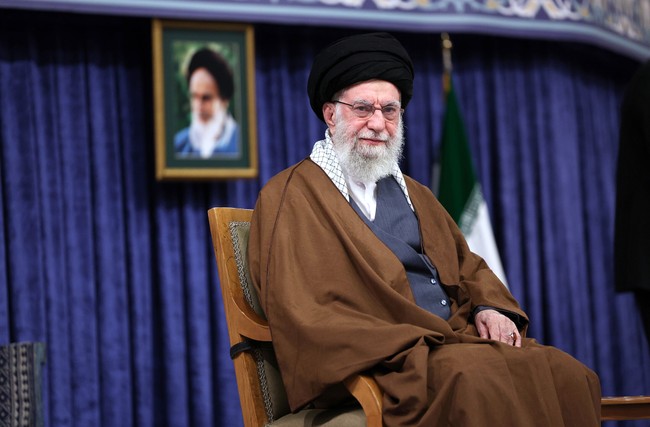
Former President Trump has been explicit in his criticism of Tehran’s leadership and blunt in his calls for new governance. He told interviewers that Ayatollah Ali Khamenei was “a sick man who should run his country properly and stop killing people,” and has urged action to remove the current rulers. Those comments reflect a wider Republican call for pressure on regimes that massacre their own citizens.
At the same time, U.S. policy under Trump has leaned into economic pressure and the threat of force when necessary to protect American interests and allies. The administration imposed strict tariffs on trade partners linked to Tehran and warned that military options remain on the table should the regime continue to brutalize its people or threaten regional stability. That posture is intended to deter both Tehran and outside actors who might try to tip the balance of power.
Editor’s Note: Thanks to President Trump and his administration’s bold leadership, we are respected on the world stage, and our enemies are being put on notice. That assessment resonates with Republicans who see strength and clarity as effective tools against authoritarianism. It also frames why the recent Chinese flights into Iran are taken so seriously by policymakers across the spectrum.
This episode underscores two realities: rival powers are testing how far they can project force, and Tehran remains dangerously unstable at home. Washington must watch closely, support dissidents diplomatically, and keep allied pressure coordinated to prevent a broader escalation. The situation is fluid, and staying ahead of these moves has to be a priority for anyone concerned about regional security and American leadership.