The mainstream media in 2026 are dying, but citizen journalism is replacing them.
The old national outlets have shrunk into islands of opinion, and audiences are voting with their attention. The New York Times might layoff or fire half of its writers, while CNN is mostly useless to people who want straight information. The national newsrooms sit in New York and Washington, D.C., and that geography shapes what they cover and what they ignore.
Trust in media has fallen to about 28 percent, according to a Gallup poll, and that collapse shows up in everyday conversations. People are tired of editorializing masquerading as reporting and of coverage that reflects coastal assumptions. That distrust creates a space where citizens can step up and fill the gaps with real reporting from their towns and states.
Local reporters who remain are buried under tips, requests, and deadlines they can’t possibly chase down alone. The result is undercoverage of crime, schools, city budgets, and local corruption. When those stories go unreported, accountability evaporates and bad actors operate in plain sight.
Good writers are leaving legacy newsrooms and finding new homes on platforms that let them keep their independence. Many have turned to Substack, independent outlets, newsletters, and social channels that reward clear, direct work instead of newsroom groupthink. That migration is redistributing attention away from polished national brands to nimble reporters who put facts first.
The few remaining local news reporters are bombarded with hundreds of requests they probably don’t have time to look into. That strain opens opportunities for motivated citizens to dig into records and follow paper trails. When ordinary people learn the routines of public records and local meetings, they become watchdogs for their communities.
It is remarkable just how hard legacy media fell after 2021.
For generations, they had the ear of decision makers. People really trusted them! And they exploited that to attack everyone viciously in the 2010s. But now we know that was the last stand.
Their century is over. pic.twitter.com/gHPz1QFyZZ
— Balaji (@balajis) November 24, 2024
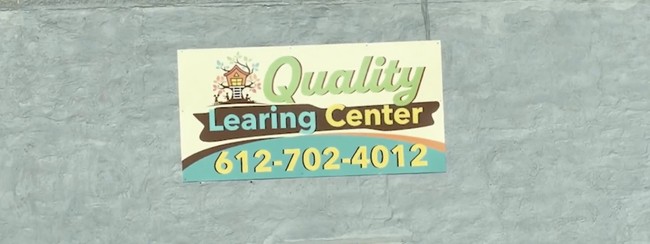
If Nick Shirley, a 23-year-old, can expose millions of dollars in fraud in Minnesota, then you can uncover local secrets as well in your town and state. That’s not theory; it’s a pattern we see again and again when someone takes the time to ask questions and file requests. Young reporters and citizen investigators have the advantage of curiosity, fewer institutional obligations, and platforms that let their work travel fast.
All you need is a camera, a basic knowledge of records requests, and curiosity. Those tools don’t require a million-dollar budget or a newsroom masthead. They require persistence, an eye for inconsistencies, and the willingness to follow leads that traditional outlets ignore.
When mainstream outlets ignore a story, post your findings on social groups, independent feeds, or bring them to a city council meeting where public officials have to respond. If you can’t get a pitch accepted by a newspaper, you can still force answers in public. That direct route to accountability is the new normal for grassroots reporting.
Citizen journalism also breaks the monopoly of who gets to set the news agenda. When voters, parents, and neighbors report on potholes, zoning fights, school board decisions, and spending scandals, the conversation shifts away from elite narratives. That shift is healthy for a republic because it returns information power to people instead of gated institutions.
The rise of independent reporting has limits and risks; standards matter and verification cannot be optional. But the solution is not to prop up failing legacy brands that have lost credibility with their critics. The solution is to teach journalistic basics to citizens, support local outlets that try to survive, and reward reporters who prioritize facts over clicks.
If you’re fed up with cable news and terrible media sites, then create the journalism that you’d want to read. If you can’t pitch to a local newspaper, then post on Facebook or social media groups or bring your findings to the city council meeting. The playbook is simple: observe, document, request records, and publish your findings so the public can act.