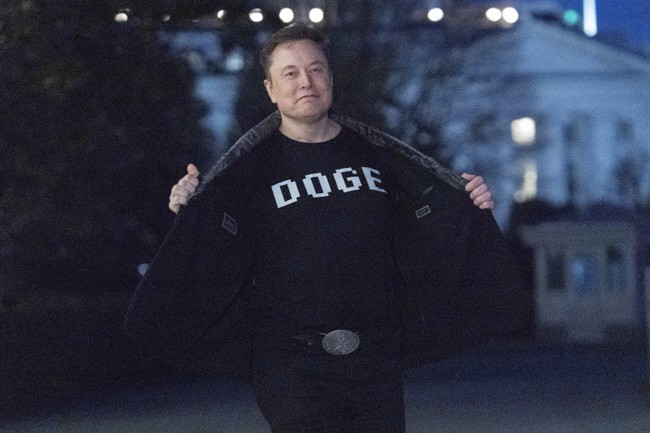
The Department of Government Efficiency, known as DOGE, has updated its public accounting and the new figures show rising federal savings and growing pressure to cut wasteful spending.
Almost a year ago Elon Musk said he was “100 percent certain” that federal entitlement fraud in Medicare, Medicaid, Social Security, and similar programs far outstripped any private scam. That claim drew attention because it shifted the conversation from theory to measurable targets. Conservatives welcomed a tool that promised real savings while many on the Left pushed back hard.
DOGE moved quickly and, by May, had reported big early numbers: $160B saved and more than 250,000 government jobs eliminated as part of the efficiency push. Those figures were meant to show the scale of waste that can be identified and reduced when someone maps the bureaucracy. “In the grand scheme of things, I think we’ve been effective,” Musk said at the time.
Now the DOGE site lists total savings exceeding $215B, which the update breaks down to roughly $1,335.40 per taxpayer when spread across the population. That revision underscores how much room there is to slim government without raising taxes.
Musk reposted the DOGE update and kept pressing the warning that ignoring fraud and misuse of taxpayer dollars is unsustainable for the nation’s finances. His public pushes have helped keep this issue at the center of conservative debates about budgeting and oversight.
He even said fraud is likely at least 20 percent of the federal budget. That figure, if accurate, would mean trillions diverted from priorities and services that properly need funding. The number frames the question for policymakers: do you tighten the system or ask taxpayers for more?
Social media users responded by calling for deeper cuts to wasteful programs and sharper fraud controls across agencies. The online reaction reinforced how many voters want accountability first, and additional revenue only after the budget has been cleaned up.
🚨DOGE BREAKING: DOGE has updated its website, estimated savings are now $215 billion. pic.twitter.com/6MxdxFF920
— DogeDesigner (@cb_doge) January 8, 2026
The Minnesota fraud revelations serve as a domestic case study: investigators found at least $9 billion improperly distributed, money that should have gone to Americans truly in need. That scandal shows the practical consequences of weak controls and the political cost of ignoring oversight. It bolsters the argument that better enforcement can fund priorities without further taxation.
Musk has argued the solution starts with mapping the federal bureaucracy because “The federal government is a gigantic beast — very complicated — and so if you’re trying to figure out how to stop waste and fraud, you’ve got to map the territory. That required three months of intense effort, and you have to build the team as well.” Building that team and doing the mapping are presented as the nonpartisan, technical steps that make savings possible.
From a conservative perspective this update is welcome evidence that identifying and eliminating waste produces real, measurable benefits for taxpayers. The figures now posted by DOGE add pressure on lawmakers to follow through with reforms that prioritize stewardship of public funds and prevent future abuses.