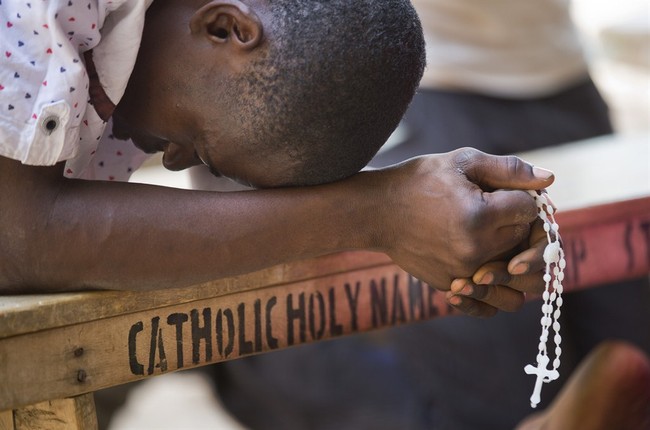
Nigerian Christians abducted from worship services face a dire situation as militants carried out coordinated attacks on churches in Kaduna, with reports of more than 150 people taken and some able to escape.
The attacks in Kaduna targeted congregations during Sunday services, leaving families and communities scrambling for answers. Reports say heavily armed Fulani extremists forced worshippers out of church buildings and then abducted them, with some accounts placing the number taken as high as 177. Local witnesses and officials have confirmed that a portion of the captives managed to flee, but many remain missing.
These raids appear to be part of a broader pattern of violence that has plagued parts of Nigeria for years, where extremist groups exploit weak security and local tensions. Churches are supposed to be sanctuaries, yet people were yanked from pews and marched away, and communities are now dealing with the trauma and logistical nightmare of tracking loved ones. The immediate need is clear: stronger security around houses of worship and better coordination to prevent further kidnappings.
BREAKING:
Armed Islamist gangs kidnap at least 172 Nigerian Christians during Sunday service in Kaduna state
Heavily armed Islamists stormed two churches, blocked the exits, and forced worshippers into nearby bush areas. At least 172 people were abducted, while nine managed to… pic.twitter.com/ngJEf5VwSi
— Visegrád 24 (@visegrad24) January 19, 2026
Republican Rep. Riley Moore (WV-02), who was appointed to investigate the persecution of the Nigerian Christians by President Trump, publicly demanded government action after the abductions. He used social media to press the Nigerian authorities to secure the hostages’ release and to step up protections for Christian communities. His statement echoed frustration with inadequate responses to repeated attacks on vulnerable populations.
“Our brothers and sisters in Christ are facing an existential threat at the hands of the Fulani militants,” Moore said. “More must be done to protect them, and I urge the Nigerian government to ensure the swift and safe return of all those who were captured.”
Beyond immediate rescue efforts, the situation raises tough questions about Nigeria’s capacity to protect religious minorities and how international partners should respond. There are serious concerns that groups tied to Islamist extremism are targeting Christians in certain regions, and that these assaults are part of a wider campaign of intimidation and displacement. Families left behind face not only fear but also the logistical strain of searching for loved ones and arranging ransom negotiations in places where official support is thin.
On Dec. 25, Trump ordered kinetic strikes against ISIS assets in northern Nigeria as the genocide against the region’s Christians continued. That action reflected a hardline approach to groups that threaten religious minorities, and it underscored the view among many Republicans that decisive measures are sometimes necessary to protect vulnerable populations. Those strikes were framed as part of a broader effort to push back on the militancy that fosters mass kidnappings and sectarian attacks.
Local communities are now calling for accountability and for the Nigerian state to reclaim control over areas where militants operate with impunity. Church leaders and civil society groups want guarantees: better intelligence sharing, more patrols around places of worship, and transparent investigations when attacks occur. Without visible, sustained action, faith communities risk being repeatedly targeted and forced to abandon homes and livelihoods.
The humanitarian dimension is urgent. Kidnapped worshippers face the trauma of captivity and the potential for ransom-driven exploitation, while their families confront financial pressure and emotional distress. Humanitarian aid groups and diaspora networks are mobilizing to help survivors and to support search efforts, but they can only do so much when security gaps remain wide and attackers are audacious enough to strike during public services.
In the longer term, the attacks underline the need for political will at home and coordination abroad to dismantle networks that facilitate these operations. Republicans advocating for stronger measures argue that sending clear signals—diplomatic, military, or economic—can deter further atrocities and protect religious freedom. For now, the focus remains on getting the captives released and preventing another Sunday of terror in Nigeria.