The Republican Study Committee rolled out a conservative plan called Reconciliation 2.0 that aims to make housing affordable, protect families, and cut wasteful federal spending while cementing deregulatory wins into law.
“Republicans have better policy. We’re gonna use a framework to put those policies together…to focus on our families, to make it more affordable, to make life a little bit easier.” That quote set the tone at the RSC press event, and it drives everything the framework proposes. The messaging is straightforward: lower costs, strengthen families, and reduce federal overreach. Republican leaders said they will act quickly and use reconciliation where necessary to pass their agenda.
The Reconciliation 2.0 Framework builds on prior wins and promises to target three central areas of everyday life: family stability, life and healthcare freedoms, and eliminating wasteful government mandates. The plan claims $1.6 trillion in savings and reductions through spending cuts and regulatory rollbacks. GOP lawmakers describe this as restoring opportunity, not expanding dependency, and they want the free market to play a larger role in housing and employment.
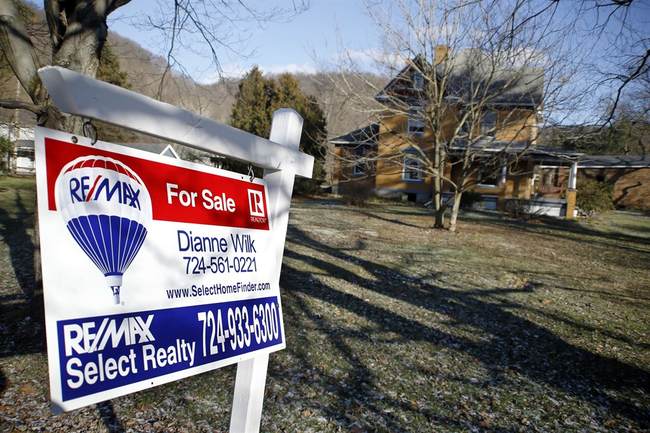
On housing, Republicans want to spur homeownership by incentivizing the sale of underused federal buildings and by freeing lenders to offer more affordable mortgage and down payment options. They argue that market-driven solutions and smarter use of public assets will lower barriers for first-time buyers. Part of the pitch is a tax-advantaged savings tool aimed at the next generation of buyers. That proposal is meant to give young people a straightforward path to save for a down payment without a tax hit.
Republican leaders highlighted a personal story to underline the stakes: Rep. Kat Cammack’s experience with homelessness after college is used as evidence of why expanding access to homeownership matters. From that background, members say the NEST Act — the Next Generation Equity Savings Tool — would let first-time buyers save tax-free for a down payment and finally bridge the affordability gap for Millennials and Gen Z. The framework keeps repeating one line of principle: “Equal opportunity, NOT equal outcome,” as the foundation for these housing reforms.
Beyond homeownership, the plan targets marriage penalties and aims to support traditional family structures by creating marriage tax credits and updating 401(k) rules that currently disadvantage single-earner households. That approach is presented as removing policy distortions that push families apart or punish common life choices. Lawmakers also promised to push back on what they call radical gender ideology and to remove taxpayer funding for procedures and programs they see as outside core medical priorities.
Rep. Robert Aderholt outlined several concrete measures that the RSC expects to pursue, including marriage tax credits, 401(k) fixes for single-earner households, permanently banning federal funding for abortion providers, eliminating Medicaid and ACA tax credit funding for gender procedures and elective abortions, and creating an excise tax on institutions that allow biological men to compete in women’s sports. Those items are framed as both fiscal restraint and cultural boundary-setting.
“All boats will rise on prosperity” — @RepArrington 👏
Because of this GOP…
– Real wages are UP – first time in 5 years
– Core Inflation DOWN
– Business Investments UP
– Growth UP (4.3)
– Largest Tax Refund (~100 Billion)
– Mortgage, Rent DOWN@RepublicanStudy@townhallcom— Chloe (@ChloeTrapa) January 13, 2026
On healthcare and the cost of living, Republicans promise to redirect subsidies away from large insurers and toward patients so consumers get more choice and drug prices fall. The framework calls for cutting red tape that drives up pharmaceutical and medical costs while encouraging competition. GOP members say these moves will give Americans more control over care and lower monthly bills.
Energy policy is part of the affordability pitch, with an emphasis on speeding permitting and cutting bureaucratic delays to lower gas and electricity prices. Faster approvals and clearer rules, Republicans argue, will help domestic producers increase supply and ease inflationary pressure. As Rep. Bice put it, families shouldn’t “don’t have to choose between caring for a newborn and a paycheck,” a line used to underline the human impact of higher energy and living costs.
The framework also proposes sweeping administrative changes described as shrinking the federal footprint and removing politically driven spending. Lawmakers point to a $1.6 trillion elimination of what they call woke, wasteful, and weaponized expenditures. They plan to lock in the President’s deregulatory moves so the rollback of federal overreach becomes permanent and not reversible by a future agency notice.
Republicans say they will use reconciliation as their route to pass these measures if bipartisan cooperation is not forthcoming, and they cite earlier GOP achievements as proof of concept. Those victories include “real wages up for the first time in five years, core inflation down, business investment up, growth at 4.3%, the largest tax refund (nearly $100 billion), and mortgage and rent prices dropping.” GOP speakers argued this progress shows that trimming federal excess and unleashing private sector growth produces tangible results and lets the economy “Continue to rise on prosperity,” they said.
Turning the page on recent economic missteps remains a recurring theme; leaders referenced a “Molotov Cocktail that put us in an economic tailspin” and described current policy as repair work. The session closed with strong applause and the charge “AMEN AMEN!” as lawmakers urged fellow Republicans to push the package forward so families can once again see homeownership and economic stability within reach.