A Minneapolis confrontation left a woman dead after she drove into federal agents, and her partner—who was at the scene—has been publicly blaming herself for urging the protest that ended in shots being fired.
The incident unfolded in Minneapolis when video showed Renee Nicole Good driving toward federal immigration agents and being shot during the confrontation. Officials report she was killed; she had been an organizer who led convoys and disrupted immigration enforcement actions. Her partner, Rebecca Good, was nearby and has been seen distraught after the shooting.
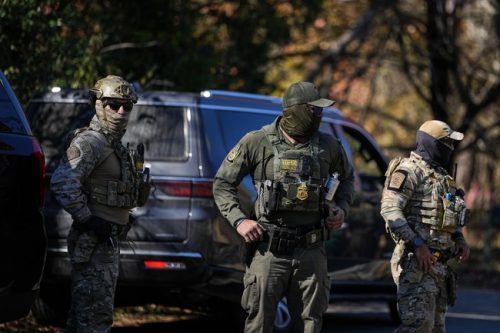
Footage circulating online reportedly captures the entire sequence, with different angles now part of the public record. Federal sources say an officer fired when faced with an apparent vehicle attack on an agent. The scene has sparked heated debate about crowding enforcement operations and how officers should respond to clear threats.
Is this the video Mayor Frey is talking about?pic.twitter.com/YlVpQZoDRM https://t.co/QI8ai7R2kJ
— Townhall.com (@townhallcom) January 7, 2026
One clip appears to show the car striking a federal officer, which is the critical visual detail in the case. Critics on the right argue the footage supports the agent’s decision to use deadly force when life was in immediate danger. Observers on the other side reflexively rush to justify or excuse the driver, and that division is now playing out publicly.
Rebecca Good, who was at the scene, has been quoted repeatedly in local reporting as taking responsibility for encouraging her partner to confront ICE that day. She was seen crying and saying she had asked her wife to come down to the operation, and witnesses say she tried to help after the shooting. The raw, emotional aftermath has become part of the narrative Americans are parsing.
The widow of Renee Nicole Good, who was filmed sobbing “it’s my fault” after her partner was killed by an ICE agent in Minneapolis, is a handywoman who recently moved the family to the city, The Post can reveal.
Rebecca Good, 40, was outside the car when Renee drove towards an ICE officer, who opened fire on Wednesday — shooting the mom of three in the head and killing her.
Rebecca Good and her wife previously lived in Kansas City, Missouri, where they lived in the Waldo neighborhood for about two years.
But they decided to leave the country after President Trump was re-elected in 2024, and moved to Canada for several months before settling in Minneapolis, a former Missouri neighbor told KMBC.
“A neighbor who, you know, is not a terrorist. Not an extremist. That was just a mom who loved her kids, loved her spouse,” another neighbor, Joan Rose, told the outlet.
[…]
Rebecca was then seen distraught and apparently crying that she’d been the one who asked her wife to go out and protest the ICE operations.
“I made her come down here; it’s my fault,” Rebecca said, her face covered in blood after having attempted to help Renee. “They just shot my wife.”
“They shot her in the head. I have a 6-year-old in school,” Rebecca said.
The couple was allegedly a part of a group that had been “stalking and impeding” ICE officers throughout the day, DHS Secretary Kristi Noem said.
But Renee’s mother insisted that didn’t sound like her daughter at all, telling the Star Tribune she was never “part of anything like that at all.”
“Renee was one of the kindest people I’ve ever known,” said the mother, Donna Ganger. “She was extremely compassionate. She’s taken care of people all her life. She was loving, forgiving, and affectionate. She was an amazing human being.”
The possibility that the driver intentionally struck an agent has led some officials to call the act terrorism or attempted murder rather than a protest gone wrong. From a conservative perspective, law enforcement must be able to protect themselves and the public when faced with a vehicle used as a weapon. Political rhetoric that excuses violent behavior only encourages more confrontations with federal agents doing their jobs.
There’s also a pattern of sympathetic coverage and excuses for violent actors among some on the Left that many conservatives find dangerous. High-profile cases in the past have shown this tendency to humanize perpetrators while downplaying the victims, and that approach risks normalizing attacks on officials. Public safety requires clear lines: protests are protected, attacks are not.
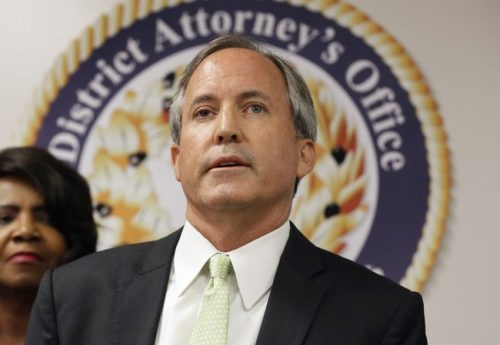
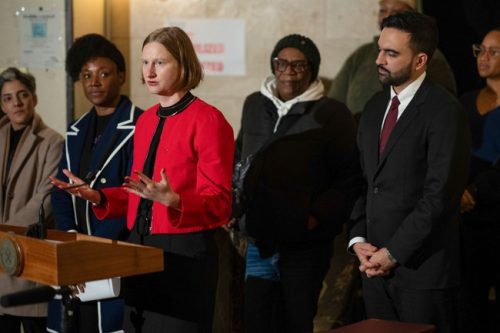
Local leaders and federal officials are weighing how to respond to both the immediate facts and the broader implications for enforcement activities. Questions remain about how the group around the couple was operating and whether obstruction of federal duties was intentional and organized. The incident will likely prompt reviews of tactics for both agents and demonstrators at enforcement operations.
At the center of this are grieving families and a community reckoning with violence on a public street. Rebecca Good’s visible heartbreak is real, and the emotional images of the aftermath have fueled national debate. Still, footage that appears to show a vehicle striking an officer is the hard evidence many point to when defending the agent’s split-second decision to fire.
This will be litigated in court and tried in the court of public opinion, and both arenas will matter to how the country handles similar confrontations going forward. For now, officials continue to investigate, while lawmakers and citizens argue over the balance between law enforcement authority and protester rights. The stakes include safety at enforcement operations and the precedent set for future clashes.