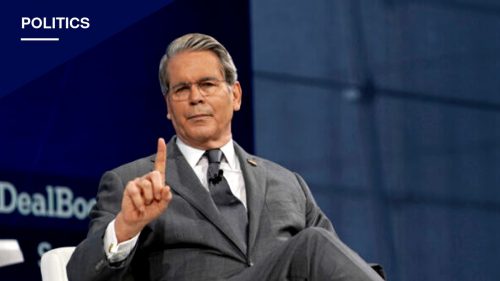
Scott Jennings squared off with CNN guest Julie Roginsky over ICE operations and a Minneapolis incident, Roginsky fired back on Substack and warned she might be banned, and a social media swirl followed with accusations about truth, blacklisting, and media narratives.
Call it a bruising TV exchange that spilled into a public post. Julie Roginsky took to Substack after a heated back-and-forth with Scott Jennings over ongoing ICE operations, and the result read like someone who felt flattened by a live rebuttal. The tone of her response and the aftermath made this more than a routine cable clash.
The Minneapolis situation has only added fuel to the fire, with reports that the Trump administration has mobilized some 1,500 troops in case the Insurrection Act gets invoked. The trouble began on January 7 when Renee Nicole Good allegedly rammed her vehicle into an ICE agent and was shot and killed. Many on the left rushed to a “she was murdered” narrative, while others called the shooting justified.
On air, Roginsky tried to pin a broad smear on Republicans, arguing conservatives would have used fire hoses against Civil Rights protesters, a point Scott cut down quickly. He replied, “Those people were Democrats,” and the exchange left Roginsky frustrated when her talking point was dismantled. That irritation is what apparently pushed her to write publicly about the encounter.
I’d like to personally thank @julieroginsky for reminding everyone that it was Democrats in Alabama who opposed civil rights in 1965 & turned fire hoses against the brave marchers in Selma. Although I wasn’t born until 1977, Julie 😉. pic.twitter.com/GtmEG5oeHH
— Scott Jennings (@ScottJenningsKY) January 19, 2026
She didn’t stop at the talking point getting shot down; Roginsky claimed other guests had complained about Jennings and alleged he had blacklisted some people from airings where he’s been booked. Public accusations like that land hard in cable news circles and, whether true or not, they’re a fast track to burning bridges. Roginsky herself seemed to acknowledge the risk of that when she admitted some consequences in her opening lines.
Before the column ran she dropped this line: “I’m fairly confident that this column will get me banned from CNN’s airwaves,” she wrote: and then expanded into a sustained criticism of Jennings and the network. The paragraph that follows in her post leveled charges about facts being treated as optional and about CNN’s slowing appetite for real-time fact-checking. What she wrote struck a personal chord and moved quickly from policy critique to character assault.
Jennings’ relationship with the truth is, at best, optional. Viewers are routinely treated to assertions that collapse under minimal scrutiny, talking points that are repeated even after being challenged, and claims that rely more on confidence than evidence. CNN once prided itself on fact-checking in real time. Now it often lets falsehoods linger in the air, unanswered, as long as they are delivered with sufficient bluster.
Jennings is also an insecure little boy, the kind of teenager who sat home alone on a Saturday night cutting and pasting photographs of himself alongside girls who would never give him the time of day to make it appear that he had a robust social life. That is essentially what he does every time he goes on air. He selectively edits clips to make it look like he “owned” whomever he was debating, too chickenshit to post the whole segment that would expose the truth. Aside from his collection of mouth-breathing Twitter acolytes, no one buys it.
It’s worth noting Jennings isn’t exactly lacking for personal success; he’s married with four children, so the jibe that he “got the girl” lands as petty more than factual. Roginsky’s post reads like someone angling for sympathy after being publicly challenged, and that kind of posture often reinforces the critique conservatives make about the left’s readiness to take offense. The back-and-forth shined a light on how cable debates can quickly move from policy to personal.
Roginsky also floated the claim about blacklisting, writing that “Whether this is true or not, enough women have seen a pattern that they believe it.” That is a significant allegation, and as presented it relies on perception rather than documentary evidence. When perception becomes the basis for permanent reputational damage, the whole conversation about truth gets messy.
All of the hand-wringing about truth and credibility in this episode ends up tangled with rumor and hearsay. The piece reads as both catharsis and accusation, a mix of anger about being out-argued and a broader complaint about how certain voices are handled on cable news. It made for an entertaining read, sure, but largely unnecessary and likely to harden positions rather than change any minds.