Nick Shirley released new video reporting on suspected fraud tied to at-home healthcare providers in Minnesota, following earlier exposés of large-scale daycare scams.
Investigative reporter Nick Shirley has turned his lens back to Minnesota with a new video that probes alleged fraud in the state’s at-home healthcare sector. Shirley previously documented “hundreds of millions” lost in daycare scams that led to the closure of several centers, and now he is focusing on companies providing home health services. The pattern he uncovers looks familiar: clustered businesses, paper records that don’t match real care, and people unwilling to answer questions. That mix raises serious questions for taxpayers and state oversight alike.
Shirley’s on-the-ground work found more than 20 at-home healthcare businesses operating out of a single office building, a setup that is odd for supposed competitors. Workers reacted to his presence by closing doors and locking rooms to avoid conversation, which only deepened the suspicion. The scene prompted Shirley to ask bluntly, “When these people have these home healthcare companies, you’re seeing them everywhere inside this building. What kind of fraud are they committing?” That question is the kind investigators need to answer.
A collaborator on the project, David Hooch, laid out what they believe is happening with patient paperwork and billing. “So there is false documentation being submitted to the state of Minnesota for services never provided,” he said. “They’re having forms signed in advance for services that were then never rendered, as far as a year or two years in advance. They’ll have someone sign these forms [all] at one sitting, and then they just file those with the state of Minnesota, and nobody from the state of Minnesota bothers to check that those services were ever provided.”
Those are strong allegations: completed forms filed with state agencies that allegedly document care that never occurred. Shirley conservatively estimates that activity inside that single building could account for at least $30 million in fraudulent claims. The size of that number, if confirmed, would represent a striking failure of verification systems meant to protect Medicaid and other public programs. Taxpayers deserve better checks and more timely enforcement when red flags show up.
Beyond the paperwork, Shirley and his team encountered a cultural barrier to transparency in some neighborhoods, with residents reluctant to speak to outsiders. “The Somali community is a very closed community. So everybody is in on it, and they don’t want to talk, as you can see,” he added. That observation came after multiple attempts to get comment were shut down, and it underlines how community dynamics can complicate investigations and state responses.
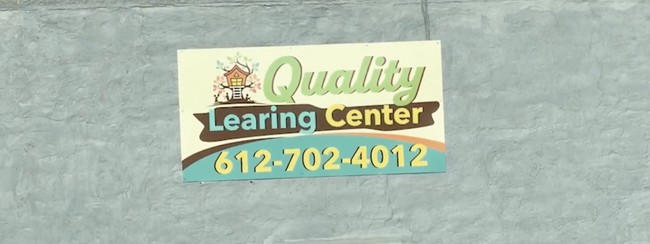
These findings sit alongside Shirley’s earlier reporting on daycare fraud, where he exposed schemes that siphoned “hundreds of millions” from public coffers. Together, the stories describe a pattern of organized exploitation of government-funded care programs, where multiple businesses and coordinated paperwork can mask reality. When public funds are involved, the risk is not just financial loss but also degraded care for vulnerable people who depend on legitimate services.
🚨 Welcome inside a MASSIVE fraud scheme in Minnesota a building with over 22 healthcare providers. In fact it was just exposed that this same building has billed over $380 million dollars from taxpayers over the years.
It’s time to arrest these fraudsters. https://t.co/qs5i5VVPFp pic.twitter.com/QBNalpnFcQ
— Nick shirley (@nickshirleyy) January 28, 2026
What the reporting highlights is a gap in accountability: filings and invoices can go unverified for long stretches, and contractors may be paid without meaningful checks that services were delivered. State auditors and program managers have tools at their disposal, but the system depends on timely audits and cross-checks that apparently did not catch this cluster of suspicious providers. If the allegations are true, it suggests a need for stricter verification and more aggressive fraud investigations.
The political angle is unavoidable. This is about government money and how it’s spent, and it reflects on prior policy choices that allowed paperwork-based payment systems with weak enforcement. From a Republican viewpoint, the focus should be on enforcing rules, closing loopholes, and making sure agencies are accountable to taxpayers. Oversight must be practical and relentless so fraudsters cannot treat public programs like easy pickings.
Editor’s Note: Help us continue to report the truth about corrupt politicians.
Join Townhall VIP and use promo code FIGHT to receive 60% off your membership.