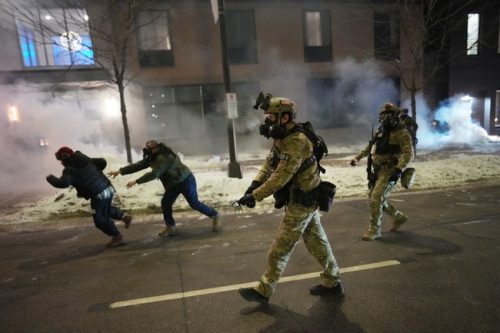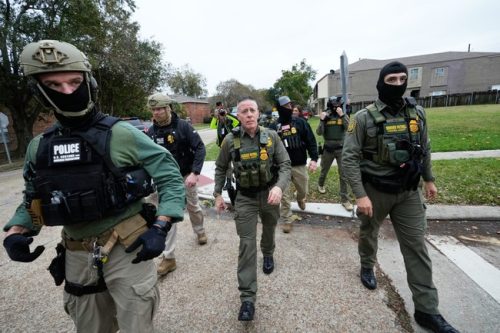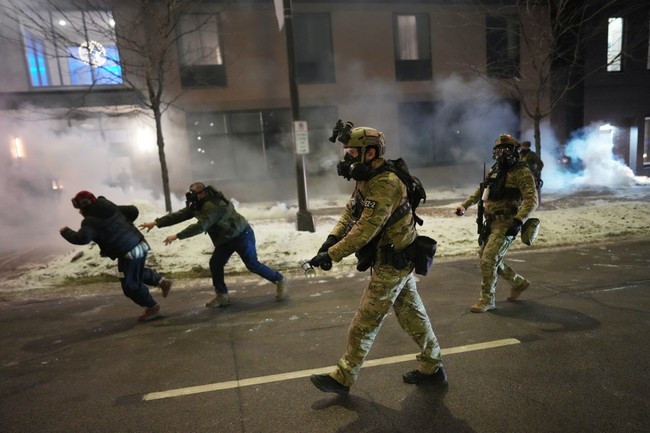
Federal judge denied a request to halt deportations in Minnesota, leaving immigration enforcement teams free to continue operations that state leaders had tried to stop.
A U.S. district judge on Saturday refused to block a fast-moving federal enforcement operation in Minneapolis and St. Paul. The motion for a preliminary injunction was filed by Minnesota Attorney General Keith Ellison and the cities of Minneapolis and St. Paul but did not succeed.
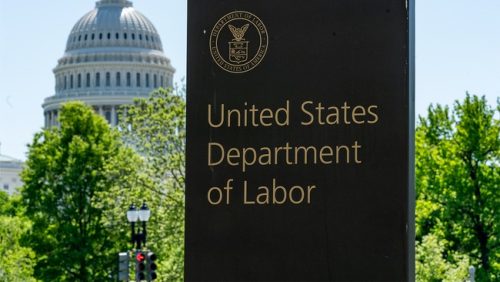
The lawsuit named a long list of federal officials, including Department of Homeland Security Director Kristi Noem, John Condon, the acting executive associate director of Homeland Security, and Todd Lyons, acting director of U.S. Immigration and Customs Enforcement. It also named Acting Executive Associate Director, Enforcement and Removal Operations Marcos Charles, Customs and Border Patrol Commissioner Rodney Scott, Customs and Border Patrol Commander Gregory Bovino, and Acting Director, Saint Paul Field Office, U.S. Immigration and Customs Enforcement David Easterwood.
gov.uscourts.mnd.230268.135.0 by scott.mcclallen
The background to the enforcement surge is stark: federal officials moved into the Twin Cities after agencies say criminals likely stole about $9 billion in taxpayer benefits across 14 programs. That number has driven a sense of urgency in Washington and among federal immigration teams tasked with stopping fraud and returning noncitizens who broke the law.
FEDERAL JUDGE DECLINES TO HALT TRUMP'S MINNESOTA ICE SURGE
— NewsWire (@NewsWire_US) January 31, 2026
Minnesota Governor Tim Walz and other state leaders launched litigation to halt the operation, arguing various harms to the cities and residents, but their legal challenge has so far failed to gain the temporary relief they sought. The judge’s decision leaves the question of long-term remedies to further proceedings and highlights how courts are being asked to balance federal enforcement against local claims of disruption.
From a law-and-order Republican perspective, this outcome reinforces the idea that federal officials must be allowed to enforce immigration laws and protect taxpayer dollars. When law enforcement uncovers vast benefit fraud linked to noncitizens, the response should be decisive and consistent with federal authority, not stalled by parochial objections from city halls.
Critics of the enforcement surge argue it will frighten immigrant communities and strain local resources, and those concerns are not trivial. Still, the core issue here is accountability for a roughly $9 billion loss to fraud across numerous programs, and that scale demands a federal response calibrated to remove criminal actors and prevent future theft.
The lawsuit targeted decisionmakers at the highest levels of Homeland Security and ICE, reflecting how political this enforcement action became almost immediately. Naming multiple officials underscores that Minnesota leaders were trying to challenge not just field agents but the entire chain of command authorizing the operation.
Practically speaking, the denial of the preliminary injunction means arrests, interviews, and potential removals can continue while the substantive legal fight plays out. For Republican policymakers focused on border security and fiscal responsibility, the result is a validation of executive agencies acting to stop large-scale abuses of public programs.
Opponents will likely press on in court and in the court of public opinion, framing the raids as heavy-handed and harmful to communities. That political fight is expected, but the legal threshold for an injunction requires showing imminent, irreparable harm that outweighs the government’s interest in enforcing federal immigration law, and the judge was not convinced that standard was met.
The broader debate this episode feeds into is about who gets to set enforcement priorities: elected local officials or federal officers charged with immigration. Republicans argue the Constitution and federal statutes vest immigration enforcement primarily with the federal government, and when massive fraud emerges, federal resources should be deployed without being second-guessed by municipalities seeking to frustrate enforcement.
The case will continue in court, and the facts alleged about billions in stolen benefits will remain central to the dispute. As the legal process moves forward, expect both sides to sharpen their arguments about constitutional authority, public safety, and the costs of inaction versus the costs of enforcement.
Editor’s Note: Do you enjoy Townhall’s conservative reporting that takes on the radical left and woke media? Support our work so that we can continue to bring you the truth.
Join Townhall VIP and use promo code FIGHT to receive 60% off your membership.