A left-leaning policy shop is telling Democrats to squeeze Republicans over ICE, citing fresh polling that shows voters dislike certain ICE practices while still backing targeted immigration enforcement.
The Searchlight Institute is urging Democrats to play “hardball” with Republicans on immigration funding and oversight, arguing it could become a top political lever before the 2026 midterms. The group, founded recently to shift Democratic strategy, frames this approach as a way to turn public unease with ICE into leverage at the bargaining table.
The organization circulated a memo that leans on new polling showing 48 percent “want ICE to be reined in,” and it stresses that most voters favor reform instead of abolition or expansion. That nuance is central to the memo’s recommendation: push for changes that align with where public sentiment sits rather than radical moves that could alienate the middle.
Researchers dug deeper into specific practices and found wide opposition to several tactics tied to ICE operations. They report that 73 percent oppose “detaining U.S. citizens while 79 percent oppose entering people’s homes without warrants. About 70 percent did not approve of ICE agents failing to wear clearly identifying uniforms,” according to the poll, and those figures give Democrats an argument to demand reforms without endorsing wholesale abolition.
Overall favorability for the agency landed at a net -17 percent, but that number masks what voters actually want from immigration policy: focused enforcement. The survey shows 72 percent support immigration enforcement if it concentrates on dangerous criminals, and 58 percent of Democrats say at least some illegal immigrants should face deportation, which complicates any simple narrative that voters want lax borders.
Given that mix, the memo recommends Senate Democrats use upcoming Department of Homeland Security funding votes to extract concessions from the administration and GOP negotiators. “Taken together, these findings indicate that reform, not abolition or expansion, is the option with the strongest public consensus,” the memo reads, and it warns that voters “want ICE to follow the law, and focus enforcementon people who pose a threat to public safety.”
The polling also finds 63 percent favor some cooperation between local police and ICE, such as checking immigration status during criminal arrests, while rejecting cooperation in sensitive places like hospitals and schools. That split gives Democrats cover to demand stricter rules and clearer limits around where and how enforcement happens, rather than pushing for abolition that most voters do not support.
The memo pushes a twofold message: use leverage to rein in abuses and recenter ICE on a law enforcement mission, and force transparency and guardrails that appeal to swing voters. “use their leverage to achieve meaningful changes that rein in ICE’s abuses and refocus the agency on its critical law enforcement mission,” the document argues, signaling a strategy that mixes oversight with policy adjustments.
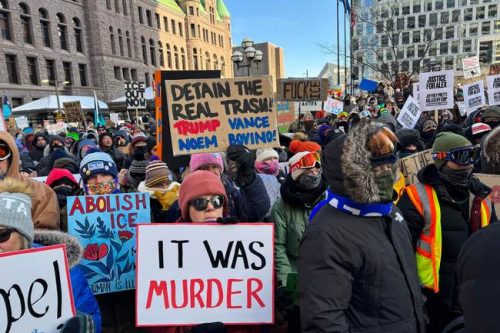
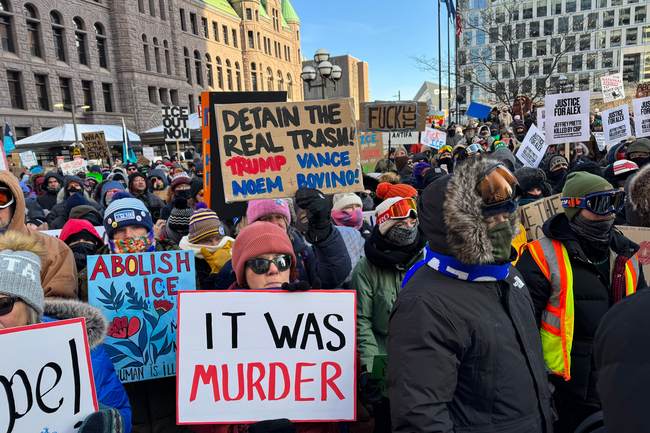
Some Democrats are already telegraphing tougher lines, threatening a partial shutdown if ICE funding isn’t pulled or conditioned in upcoming bills. Adam Jentleson, founder of the Searchlight Institute, said the ICE question “is likely to be their last major leverage point for several months at least if not for the rest of the year” and added that “the tragic events that have unfolded in Minneapolis have shocked the conscience of Americans and brought their attention to the horrible s**t that ICE is doing.” His language makes it clear how the group expects Democrats to frame the debate.
This is a critical point from Sen Chris Murphy: If Dems fold on ICE now, it could be a disaster in the midterms.
"The result will be a lot of voters who tend to turn out in midterm elections just won’t."
Here's our full exchange. It's powerful stuff:https://t.co/KYmQf4XL83 pic.twitter.com/C4jnIg1zh2
— . (@GregTSargent) January 27, 2026
From a Republican perspective, this looks like a preemptive play to box the GOP into defending an agency while making concessions that could weaken enforcement tools. Democrats get to claim they are protecting civil liberties, while Republicans are left to argue for firm border and public safety policies without appearing to condone questionable practices.
Whether this plan turns into effective campaign messaging depends on execution and whether voters buy the distinction between reforming tactics and sustaining enforcement priorities. Expect fights over DHS funding to become a testing ground for that argument, and for both sides to use the polling numbers to justify their political moves as the midterms approach.