A large, chaotic protest outside a federal detention center in Los Angeles turned destructive as demonstrators attacked property and clashed with police, creating a tense scene that left federal facilities marked and officers scrambling to restore order.
A massive anti-ICE demonstration in Los Angeles escalated into violence as protesters defaced and damaged property outside a federal building. Witnesses describe a crowd intent on confronting immigration enforcement, with scenes of graffiti and smashed fixtures around a detention facility. The unrest drew a heavy law enforcement response as officials worked to keep the situation from getting worse.
The rioters focused their actions on the Metropolitan Detention Center in Los Angeles, spray-painting slogans across walls and nearby structures. Damage appeared concentrated on the facility’s exterior and on public infrastructure in the immediate area. Local residents and commuters were forced to navigate streets scattered with debris and markings left by the crowd.
BREAKING: LAPD on ‘TACTICAL ALERT’ as clashes erupt between violent anti‑ICE agitators and agents outside federal building in Los Angeles pic.twitter.com/PrRVBy9e3r
— Rapid Report (@RapidReport2025) January 31, 2026
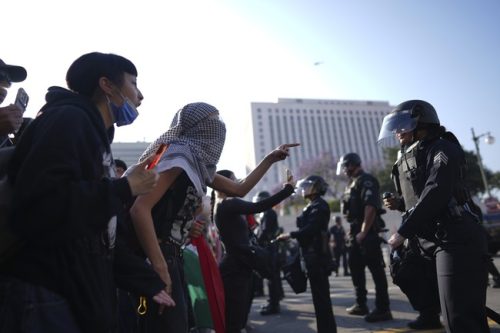
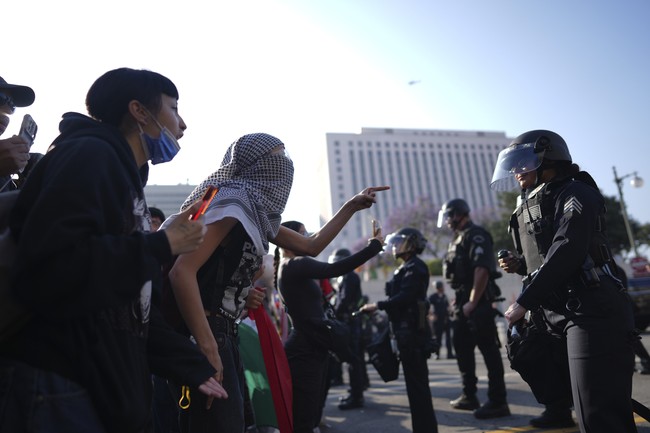
People in the crowd waved a variety of Latin American flags while confronting officers in full riot gear, creating a visual mix of political symbolism and raw anger. One protester was even spotted wearing a flag bearing the crest of the Rebel Alliance from Star Wars, adding an unusual touch to the scene. Tensions rose as officers held lines and prepared to push the crowd back when necessary.
Video circulating from the scene showed protesters improvising tactics to blunt police crowd-control measures, using cardboard and other items to clear or shield gas and spray. Law enforcement responded with nonlethal tools, including pepper balls, in an effort to disperse the largest concentrations of people. The exchanges were chaotic and loud, with both sides maneuvering through clouds of irritants and smoke.
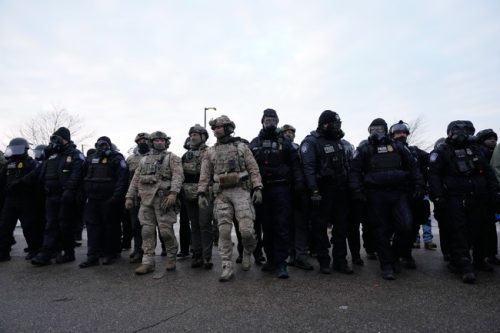
City police moved to contain the action by surrounding the protest area, closing streets, and setting up a substantial perimeter. Officers formed coordinated blocs intended to channel the crowd away from sensitive federal sites and reduce the chance of further property destruction. Authorities issued orders to disperse as they worked to regain control of the scene.
A reporter at the scene later said the rioters had police outnumbered 100 to 1, and that officers were constrained while destructive actions unfolded in front of them. That account painted a picture of overwhelmed on-scene units trying to balance de-escalation with protection of federal assets. Observers noted that scale and coordination of the crowd complicated standard policing methods.
Protesters could be heard chanting phrases aimed directly at immigration enforcement, including the calls “break down every concentration camp” and “ICE out of LA.” Those chants underscored the crowd’s focus and the intensity of the rhetoric aimed at federal officers. The slogans and soundtracked defiance kept the pressure on officials as they attempted to restore order.
After stronger crowd-control tactics were brought to bear, the number of active agitators in the area dropped and the remaining people thinned out. Streets remained marked by spray paint, broken glass, and scattered materials long after the loudest confrontations subsided. City cleanup crews faced a significant task removing damage and restoring the public right of way.
Police did not announce any arrests during the night of destruction, and reports indicated that no major detentions were made before the crowd dispersed. Lawmakers and local officials are likely to press for clearer strategies to protect federal facilities and personnel in the face of coordinated demonstrations. Meanwhile, the tension around immigration enforcement in urban areas shows no sign of abating.
Democrat politicians and their radical supporters will do everything they can to interfere with and threaten ICE agents enforcing our immigration laws. That reality makes the need for clear policy and reliable protection for federal personnel an urgent matter for city and federal leaders. Communities deserve both safety and an orderly process for resolving disputes about enforcement and policy.