Minneapolis Mayor Jacob Frey’s reaction to the ICE shooting exploded into a national media spectacle, mixing raw emotion with heated accusations while a woman, Renee Nicole Good, 37, died after attempting to strike federal agents with a vehicle. The city debate now pits local leaders against federal enforcement, and the fallout has turned into a partisan fight over law, order, and who gets to keep neighborhoods safe.
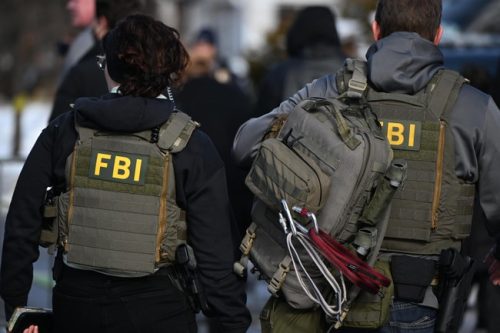
The basic facts are stark: a woman tried to run over ICE agents in Minneapolis and was shot and killed. That woman is identified as Renee Nicole Good, 37, and the footage of the incident drove the immediate national headlines. Police and federal officials say agents acted in self-defense when the car struck an agent.
Mayor Frey responded fast and loudly, publicly denouncing the federal officers and using language that inflamed an already tense moment. His press appearances framed ICE as a reckless force that terrorizes communities, and he urged them to leave the city. That tone set off predictably polarized reactions across TV and social media.
From a conservative perspective, the mayor’s performance looked less like leadership and more like a political stunt. He pushed a narrative that painted federal law enforcement as the villain while downplaying the threat agents faced during an attempted vehicle attack. That approach wastes the bully pulpit and invites disorder.
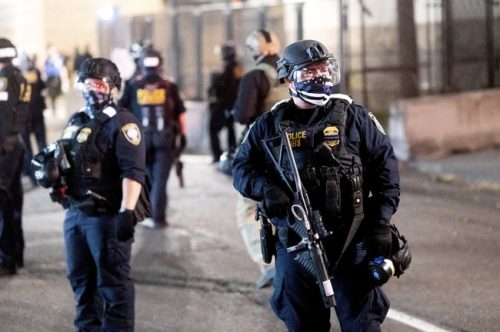
Minneapolis Mayor Jacob Frey (D) argues ICE officers don’t have any training in crowd control..
“I don't think the ICE agents know what the ICE agents are doing. Our police officers are deeply trained. Look, over the last five years, our police department has dramatically… pic.twitter.com/jDRzTPxks6
— Curtis Houck (@CurtisHouck) January 8, 2026
Minneapolis has serious challenges with violent crime and radical elements, and residents expect their mayor to prioritize safety above rhetoric. When elected officials publicly undermine federal partners who are legally operating in the city, it weakens overall law enforcement coordination. Citizens deserve straightforward answers about why federal agents were present and how threats were handled.
Frey also tied his reaction to local political calculations, especially around constituencies that oppose aggressive immigration enforcement. Politics shapes choices in city halls, and defending a voting bloc can look like protecting political power rather than protecting the public. That calculus will cost credibility with voters who want accountability and clear governance.
Video of the incident quickly spread, and many viewers thought agents were clearly endangered when the car made contact. Those images aren’t subtle, and they prompted defenders of law enforcement to demand respect for officers who face life-or-death decisions in seconds. Elected leaders who ignore that context hand easy wins to critics of public safety.
Still, critics of federal tactics raise valid questions about jurisdiction and de-escalation that deserve answers. The debate isn’t only partisan theater; it’s about how different levels of government operate together in urban spaces. But those questions should be asked calmly and backed with facts, not amplified into alarmist rhetoric.
The mayor’s public remarks contained sweeping claims about constitutionality and intent that escalated the moment into a national crisis of interpretation. He insisted federal agents were “terrorizing communities” and framed their actions as unconstitutional. Those claims forced defenders of ICE to push back hard and quickly.
“I don’t think the ICE agents know what the ICE agents are doing. Our police officers are deeply trained. Look, over the last five years, our police department has dramatically improved. We are the change that we all want to see. We are making those changes literally as we speak. And by the way, crime is down in virtually every category, in virtually every neighborhood. Crime is down. Now, juxtapose that against what we’re seeing from some of these federal agents. They are not trained in. They are not abiding by constitutional law. They certainly are not deescalating tense situations, because I don’t know if what we saw by these federal agents in this most recent instance is de-escalation. I guess I don’t even understand the definition of the word.”
On cable, pundits from both sides spun the scene into larger narratives about federal overreach or local chaos. Republicans emphasized the need to back law enforcement who confront immediate danger. Democrats and civil liberties advocates focused on oversight and ensuring agencies follow constitutional limits.
There are real operational questions here about coordination between local police and federal agents, and about who takes custody after such incidents. Good governance would demand clear protocols and honest public briefings, not theatrical condemnations. In the absence of that, political posturing fills the void.
Frey’s more visceral statements continued in interviews, where he repeated forceful language and warned that the incident was a symptom of something broader. He framed ICE’s presence as harmful to families and communities and urged national attention. That rhetoric risks turning a local tragedy into a proxy battle for national politics.
“I got two eyes. I saw the same videos that you saw. And the notion that this is domestic terrorism on the form of the victim — yeah, is positively ridiculous. I mean, the way that ICE is behaving is reckless. Not just in this incident, but numerous others. And here’s the thing. The chief and I have been saying, not just privately, but very publicly for well over a month, that something like this was going to happen, either a civilian, a police officer, or even an ICE agent getting injured badly or killed. And so, look, I saw exactly what happened. I mean, what you saw was the victim taking at least, like a three-point turn. This was clearly not with any sort of intention to run somebody over, but to get out of there. And you don’t need a legal degree to know that that does not authorize the use of deadly force.”
“Again, the narrative that ICE is spinning immediately after this was that this was purely self-defense and that the act by the victim was some sort of domestic terrorism. That, and I’ll say it again, is bullshit. That is bullshit. The way they’ve been conducting themselves is also bullshit and we all need to be very clear eyed about what’s happening, because, by the way, this is not just about Minneapolis. This is about the endurance of our republic. The things that are taking place are not just illegal, they are unconstitutional. They are coming in here. They are claiming it’s about safety and it ain’t. They are claiming it’s about enforcing the law. And it’s not. What they are doing is terrorizing communities. They are ripping families apart and they are creating danger, as we saw where they claim to be creating safety. That’s not okay in Minneapolis. That’s not okay in any city in the entire country. If you care about the endurance of our republic and you care about the president of the United States and an administration abiding by the constitution, whether you are a Democrat or you’re a Republican, now is the time to stand up. This ain’t okay.”
Mayor Frey will face pressure from multiple directions: community leaders demanding protections, federal authorities defending their agents, and voters watching how the city handles the aftermath. Whoever provides clear answers and practical steps will gain public trust. Rhetoric without follow-up leaves a leadership vacuum at the worst possible time.
Minneapolis needs better coordination, transparent investigations, and honest political leadership that puts safety ahead of headlines. The fatal outcome of this incident demands scrutiny and sober discussion, not a nonstop media blitz that deepens divisions. The city deserves effective problem-solving, not grandstanding.