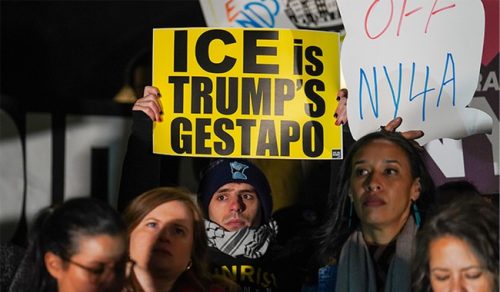
Minneapolis Public Schools called off classes after a violent incident involving ICE agents and a local activist, touching off protests and sharp accusations about unions and educator priorities in the city.
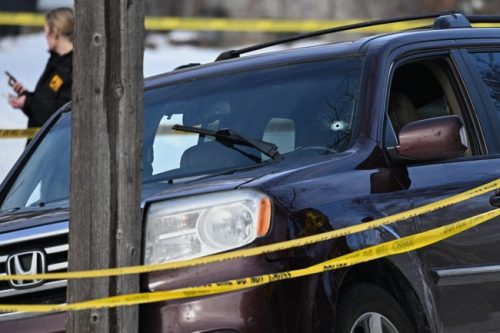
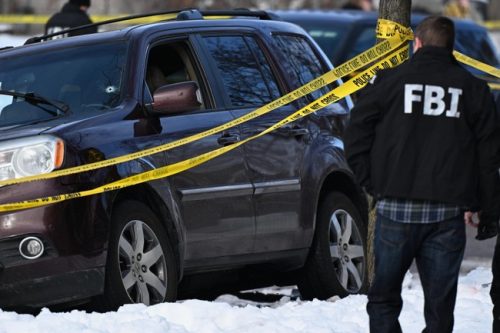
Minneapolis Public Schools canceled classes for two days, citing safety concerns after a shooting on the city’s southside. A Leftist activist named Renee Good allegedly followed and interfered with ICE agents, and when they ordered her to exit her vehicle, Good floored it and hit an agent. That agent shot and killed Good.
The shooting set off immediate outrage from activists and political allies who framed the incident as another showdown with federal immigration enforcement. The local response has been loud and performative, with school staff and unions quickly signaling solidarity. The real question is whether the district closed for safety or to allow staff to take part in political demonstrations.
Minneapolis schools have a pattern of political theater that undermines classroom focus and public trust. When districts treat disruptions like organized political actions rather than incidents to be managed, families pay the price. Students lost instructional time while the city became a stage for partisan outrage.
MPS employees have long been active in local politics, and unions often prioritize activism over academics. That dynamic helps explain why a school district would cancel classes at the first sign of a protest rather than provide targeted safety measures and keep students learning. Yes, unions are an absolute blight on education when they push political campaigns instead of focusing on kids.
“Jutice for Renee Good,” writes the graduate of the “Quality Learing Center.” That misspelled rallying cry captures the mix of earnest grief and performative outrage fueling the crowd. Messaging like this shows how emotion gets weaponized into a political narrative before facts are fully checked.
The MN teachers dominating the anti-law enforcement protests can’t spell, unsurprisingly. pic.twitter.com/K10CEejLaA
— Mollie (@MZHemingway) January 8, 2026
Public schools turning into platforms for political messaging is a problem that stretches beyond Minneapolis. Too many teachers and staff see themselves as activists first and educators second, and that shift effects classroom culture and parental trust. When districts lean into protest-ready responses, they normalize the idea that education is a vehicle for political causes.
Some will insist that canceling school was a necessary safety step, and of course administrators must weigh real risks to students and staff. But broad closures that allow staff to attend rallies reveal a different set of priorities. Parents deserve clear, safety-focused plans that keep instruction intact whenever possible.
There are also double standards in how some incidents are remembered and politicized. In 2017, Damond was shot by Officer Mohamed Noor after she approached the vehicle to report a suspected sexual assault. Noor was tried and convicted on charges that later saw one count overturned, and he served a sentence that was challenged in court before his release in 2022.
That case prompted national debate but didn’t always spawn the same kind of organized school closures and staff activism seen here. The inconsistency points to selective outrage that tracks political advantage rather than even application of principle. Citizens notice when institutions respond differently depending on the political winds.
Teachers’ unions have become political machines, and their influence stretches into school budgets, curriculum choices, and even whether a district stays open during unrest. When unions encourage or enable staff to treat classrooms as political staging areas, education suffers. Parents who want stable school days are rightly frustrated.
We can acknowledge the human tragedy at the center of the incident while still calling out the political opportunism around it. Protesters and political allies may frame ICE as villains, but comparisons that equate federal agents with totalitarian secret police ignore the rule of law and inflame tensions. Responsible local leadership should calm, not fuel, those tensions.
Claims that the district had no choice are easy to make from a distance, but practical solutions exist that keep students safe without shutting down learning for everyone. Targeted safety measures, temporary adjustments for affected schools, and clear communication would have been more appropriate than blanket cancellations. The optics of district-wide closures send the wrong message about priorities.
No one should be cavalier about violence, but neither should public institutions reflexively side with political theater. The decision to cancel classes looked less like a public safety move and more like a political concession to local activists and unions. That matters for public confidence in schools.
Minneapolis voters and families deserve schools that focus on instruction first and activism second. When education becomes a proving ground for political fights, students lose out and divisions deepen. Communities should expect better from administrators who are paid to educate, not mobilize.
Editor’s Note: Democrats are fanning the flames and raising the rhetoric by comparing ICE to the Gestapo, fascists, and secret police.