New survey data and a string of deadly attacks show political violence moving from the margins toward dangerous normality in American life.
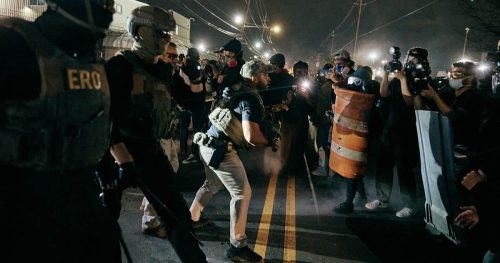
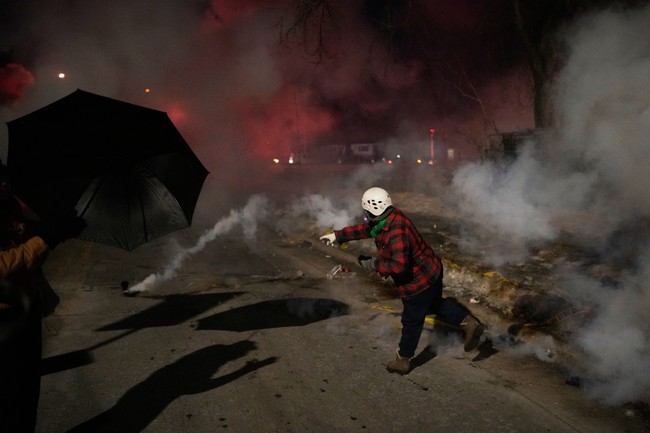
We are living through a sharp rise in political violence that no serious person should treat as accidental or isolated. High-profile killings and a recent Network Contagion Research Institute (NCRI) study combine to paint a picture of growing tolerance for assassinations and political murder. The trend is measurable, bipartisan in its risks, and wildly out of step with what conservatives believe in: law, order, and the sanctity of human life.
Two incidents make the stakes painfully clear. On September 10, 2025, a gunman fatally shot conservative activist Charlie Kirk during an event at Utah Valley University, an attack many saw as a chilling turning point. Just three months earlier, Minnesota State Representative Melissa Hortman and her husband were murdered in their home in what investigators described as politically motivated violence.
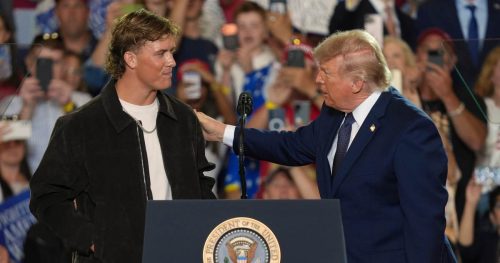
The NCRI study delivers sobering numbers that back up those fears. The researchers report that 67 percent of left-leaning Americans now say there is at least some justification for assassinating President Donald Trump, up from 56 percent in April 2025. Equally troubling, 54 percent of right-leaning respondents indicated some justification for assassinating New York City Mayor Zohran Mamdani, and 66 percent overall expressed at least some justification for murdering either or both public figures.
These percentages are not idle statistics; they reflect shifting norms. Support for political violence is about 15 percent higher among women than men in the survey, a detail that undercuts lazy assumptions about which groups most embrace violent tactics. The researchers themselves blamed a “broader crisis of national confidence” as a key driver of the change in attitudes.
The NCRI data break down further when tied to perceptions of decline. Among left-leaning respondents who believe America is in decline, 70.3 percent expressed at least some justification for murdering Trump, compared to 54 percent among those who do not share that pessimism. The same dynamic appears on the right: 59.8 percent of those who see national decline justified violence against Mamdani, versus 47.8 percent who do not.
Social media plays an unmistakable role in amplifying anger and normalizing extreme talk. The study found that left-leaning respondents who use social media most frequently scored 50 percent higher on justifying violence than lighter users. On the right, heavy social media users scored 59 percent higher in believing violence is appropriate, showing platforms don’t only radicalize one side but fuel a broader breakdown in civic restraint.
The NCRI report invokes Relative Deprivation theory to explain the connection between frustration and aggression, and it quotes a concise, chilling line: “When there is a significant sense of disillusionment or disalignment between what citizens expect from their society and what they receive, aggression may ensue,” the report explains. That sentence is more than academic jargon; it captures how disappointment can metastasize into permission to harm.
Demographic trends make the near-term outlook worrying. A Harvard 2025 Youth Poll found only 13 percent of adults aged 18 to 29 believe the nation is headed in the right direction, a level of cynicism that creates fertile ground for radical ideas. When young people overwhelmingly think the system is broken, a disturbing fraction will embrace shortcuts, including violence, to fix perceived injustice.
This is not merely an abstract debate for pundits. If two-thirds of Americans say political violence can be justified under certain circumstances, that shift seeps into civic life — candidates, commentators, and ordinary citizens suddenly face a higher baseline risk. The erosion of respect for democratic process and human life undermines the norms that keep free societies functioning and safe.
From a conservative view, the response must be firm: reaffirm the rule of law, hold violent actors accountable regardless of ideology, and challenge rhetoric that sanctifies harm. That means exposing the cultural and technological dynamics that normalize violence while making clear that murder is never a legitimate political tool. The alternative is grim: sustained instability, threats to public figures, and an America where political disagreement can too easily turn lethal.