Josh Shapiro says Kamala Harris’ vetting probed whether he was a “double agent” for Israel, putting a spotlight on how intensely the campaign screened his views and identity.
Pennsylvania Gov. Josh Shapiro recounts a surprising moment from the 2024 vice-presidential vetting in his memoir, describing a last-minute question about whether he had ever been an agent for Israel. He says the query came while he was being considered by former Vice President Kamala Harris, and that it left him incredulous and offended.
Shapiro was among several contenders for the slot that ultimately went to Minnesota Gov. Tim Walz, and his account has reignited debate about how the campaign handled questions around Israel and antisemitism. The most detailed account of the vetting appears in a passage that was obtained and published by a major news outlet.
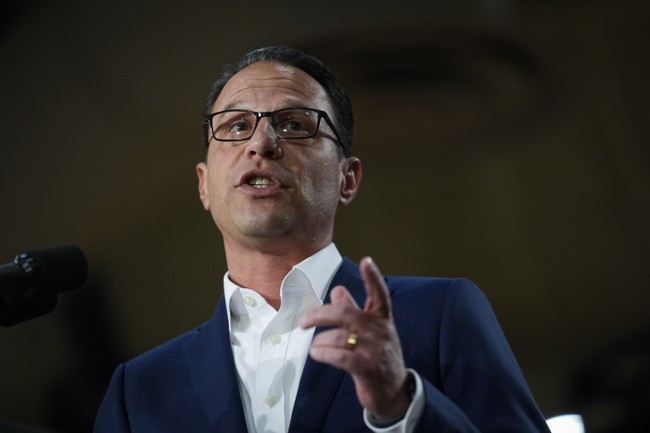
Gov. Josh Shapiro of Pennsylvania, a prominent Democrat who was a top contender to serve as former Vice President Kamala Harris’s running mate in 2024, offered his most detailed accounting to date of the vice-presidential search process in his new memoir, which was obtained by The New York Times.
In short: He suggests that it was far uglier than is commonly known.
In Mr. Shapiro’s book, “Where We Keep the Light,” the governor is measured in describing his interactions with Ms. Harris herself. But Mr. Shapiro, who is Jewish, details a contentious vetting process in which Ms. Harris’s team focused intensely on his views on Israel — so much so that at one point, he wrote, he was asked if he had ever been an agent of the Israeli government.
“Had I been a double agent for Israel?” wrote Mr. Shapiro, describing his incredulous response to a last-minute question from the vetting team. He responded that the question was offensive, he wrote, and was told, “Well, we have to ask.”
“Have you ever communicated with an undercover agent of Israel?” the questioner, Dana Remus, a former White House counsel, continued, according to Mr. Shapiro, who recounted, “If they were undercover, I responded, how the hell would I know?”
Mr. Shapiro wrote that he understood that Ms. Remus was “just doing her job.” But the fact that he was asked such questions, he wrote, “said a lot about some of the people around the VP.”
Shapiro, who is Jewish, also became one of several Democratic figures to denounce the wave of antisemitism that followed the Hamas attack on Israel on October 7, 2023, which killed over one thousand people. His willingness to call out campus incidents and public threats put him at odds with voices that wanted a softer line on pro-Hamas demonstrations.
The memoir says Harris asked whether he “would be willing to apologize for the statements I had made, particularly over what I saw happening at the University of Pennsylvania,” he wrote. Shapiro pushed back, refusing to issue an apology he did not believe was warranted, and defended free speech while pointing out that many pro-Hamas agitators were not peaceful.
He also noted the tone of the vetting, wondering whether those questions were aimed only at him as “the only Jewish guy in the running,” or whether anyone without federal experience was being pressed as hard about Israel. That line of questioning raised alarms about whether Jewish candidates would be treated differently.
Put plainly, the episode reveals how a top-tier Democratic vetting team approached Israel and antisemitism concerns during a national search. For many conservatives and others who take these matters seriously, the story reads like confirmation that a Harris administration would have been cautious about elevating officials who speak forcefully against anti-Jewish bigotry.
There is a straightforward takeaway in Shapiro’s account: serious candidates can expect intense scrutiny on foreign policy ties and identity, and that scrutiny can flare into offensive territory. The episode helps explain why some candidates, including Shapiro, walked away from the process or were passed over as the campaign narrowed its choices.
Whatever one thinks of the politics, these revelations deserve attention because they touch on vetting standards, fairness, and how major campaigns assess loyalty and judgment. Shapiro’s memoir puts those questions on the table in plain, uncomfortable terms that voters should notice.