St. Paul’s police union president accused local leaders of blocking coordination with federal agents during tense immigration actions, arguing that political decisions hamstrung public safety and left officers unable to apply their crowd-management training when chaos erupted.
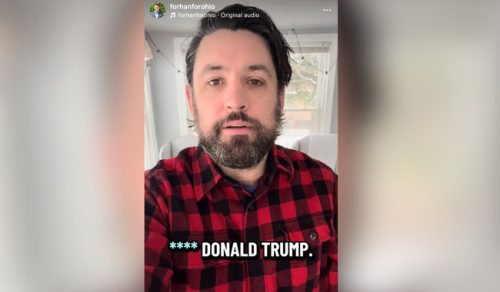
Mark Ross, president of the St. Paul Police Federation, publicly criticized city leaders for preventing local officers from helping federal immigration agents during operations that drew large protests. He said that poor coordination and political resistance left local law enforcement stuck between federal teams and aggressive crowds.
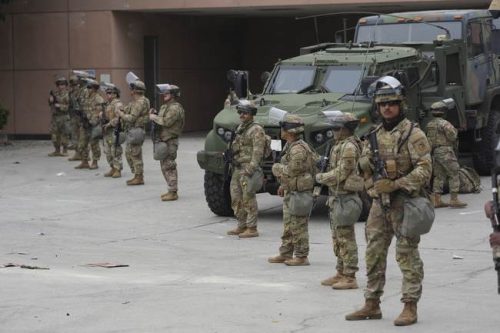
Ross pointed to training efforts that trace back to the 2008 Republican National Convention in St. Paul and argued that local police have developed mobile field force capabilities for big events. He insists those skills make local forces uniquely positioned to manage volatile urban enforcement actions and keep people safe.
🇺🇸 Minnesota cop union boss blasts local officials over notcooperating with ICE
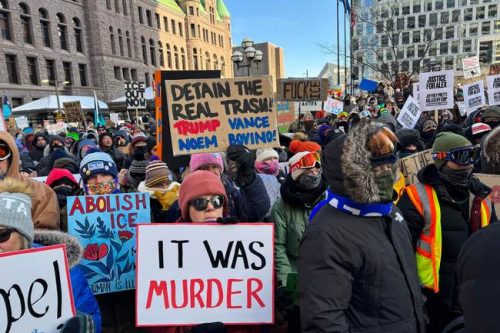
St. Paul Police Federation President Mark Ross argues if local cops had been allowed to work with ICE, the recent deaths of protesters could’ve been avoided.
He calls out the disconnect between… pic.twitter.com/qib3GktMrl
— Mario Nawfal (@MarioNawfal) January 28, 2026
“Since the Republican National Convention was held in St. Paul back in 2008, Minnesota law enforcement has undergone extensive training in mobile field force configurations and crowd management for major events. And because of that, I think we’re in the best position to deal with that,” Ross said. “Unfortunately, our local politicians would not allow us to do that.”
Had we been allowed just a little bit of coordination – not in terms of what ICE is doing, but if they say, ‘Hey, we need to go to this place to serve a warrant, we’re going to be out there a couple hours. We’re nervous that crowds are going to form and give us trouble. Can you come out and help?’ That’s something we can easily coordinate with a little bit of notice, and sometimes with hardly any notice, we can get out there quickly.
Ross argued that, with simple coordination, many confrontations could be avoided and lives preserved. “I believe, had we been able to do that, that there would be no loss of life at this point,” he added, directly tying missed opportunities to tragic outcomes in recent incidents.
He warned that Border Patrol and other federal teams are not specialists in managing chaotic urban demonstrations the way local forces are. “Border Patrol agents don’t usually work in an environment like this, in large urban communities with crowds like that. They have some of the tools,” he said. “But I would venture to guess they don’t have the amount of mobile field force training and kind of leadership in those configurations that we have.”
Ross placed responsibility on city leadership for failing to bridge communication and operational gaps with federal partners. “Part of it is leadership,” he continued. “Because the leadership in our cities doesn’t want us communicating with the federal folks. And that disconnect has created some problems for everybody, and we’re stuck in the middle of it, and public safety is everybody’s responsibility.”
He described the position his officers are forced into as untenable: ready to protect the public but constrained by policy and politics. “We want to be out there. We want to be keeping people safe, and it’s been really tough. We really feel like we’re in the middle of this, obviously, not by choice,” Ross said.
Editor’s Note: Democrat politicians and their radical supporters will do everything they can to interfere with and threaten ICE agents enforcing our immigration laws.