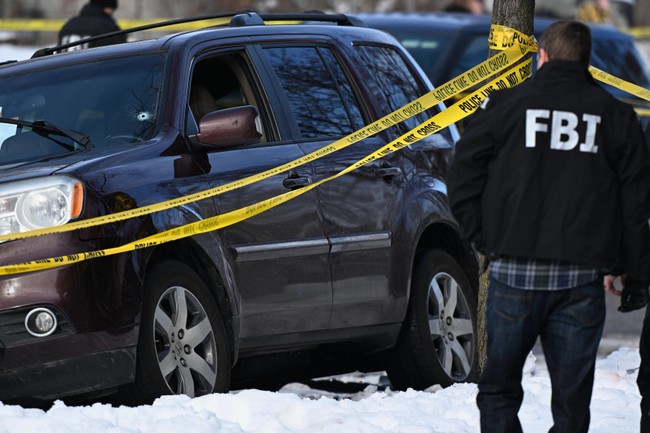
This article examines the fallout from a Minneapolis shooting after a major local paper published the name of an ICE agent involved, the resulting doxxing and threats, and how cellphone footage reshaped the public story.
The Minnesota Star Tribune chose to publish identifying details about an ICE agent tied to the January 7 Minneapolis shooting that left Renee Nicole Good dead. That decision immediately sparked predictable outrage and a wave of online sleuthing that would make any reasonable person question newsroom responsibility. The result was a federal law enforcement officer exposed to public harassment and danger before the facts were fully vetted, and that exposure has consequences.
Within a day the agent’s image and identity were circulating, and left-leaning voices rushed to label him a murderer without waiting for clear evidence. Predictable outrage from Democrats and liberal media quickly amplified social media mobs, turning a developing criminal case into a public spectacle. The officer, already injured when a vehicle struck him, faced an instant trial by social media and was forced into hiding for his safety.
The Immigration and Customs Enforcement agent who fatally shot a 37-year-old woman in Minneapolis Wednesday is …, the same officer who was dragged and injured by a fleeing driver in a separate incident last year, according to a person with knowledge of the case and verified by court documents.
DRIVE-BY MEDIA: A Star Tribune reporter published the name of an ICE agent after a trained ICE Watch activist rammed him with a car. That is doxxing a federal officer & endangering his family.
h/t @ginamilan_ pic.twitter.com/C8XylP9sYy
— @amuse (@amuse) January 8, 2026
Little public information is available about …, described only by federal officials as “an experienced” officer.
… [the agent] was embedded in a group of federal agents on a targeted crackdown in south Minneapolis when Good was shot. ICE has not reported the identity of the shooter and did not respond to request for comment for this story.
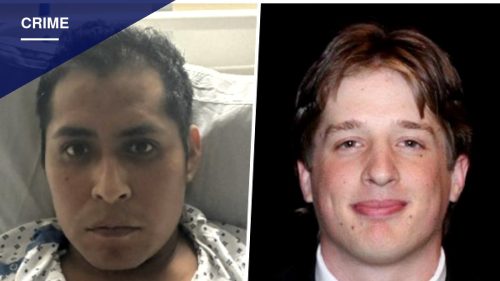
A photo of [the agent’s] face has since circulated social media, as online sleuths have attempted to identify him.
Video from the agent’s cellphone changed the narrative in ways headlines did not. The footage shows the woman striking the officer with her car, and that detail undermined several immediate, outraged takes that ignored context. Raw evidence like that matters, especially when media outlets rush to fill gaps with speculation and partisan spin.
There’s a larger pattern here: local activists and sympathetic media often coordinate to ratchet up pressure on federal officers enforcing immigration laws. That pressure includes attempts to identify, locate, and intimidate officials, which is dangerous and plainly irresponsible. When a major paper prints a name before agencies complete basic checks, it hands those activists a weaponized dossier.
Reckless disclosure puts lives at risk, plain and simple. Officers who serve in federal roles already accept hazards on the job, but they should not have to worry about targeted harassment campaigns that go beyond protest and into doxxing and death threats. For citizens who care about order and rule of law, this is not a partisan abstract; it is a direct attack on the people charged with enforcing laws Congress passed.
Critics on the left will insist that transparency demands every name, but there is a balance between public accountability and creating a security threat. Naming a federal officer before official sources confirm details invites vigilante behavior and hinders investigations. A cautious press would wait for court documents or agency confirmation and report the footage and facts without active exposure.
Minneapolis has been a pressure cooker for political theater for years, and that environment increases the danger when partisan outlets act like investigators. The combination of activist energy, sympathetic reporting, and a national audience creates a multiplier effect that can turn a local incident into a national crisis for the wrong reasons. Responsible reporting would reduce that multiplier, not amplify it.
Public safety requires institutions that act responsibly, including media that understand the consequences of what they publish. When identities go public and mobs form, the objective facts can get lost under headlines and hot takes. The cellphone footage in this story is a reminder that evidence should lead coverage, not the other way around.