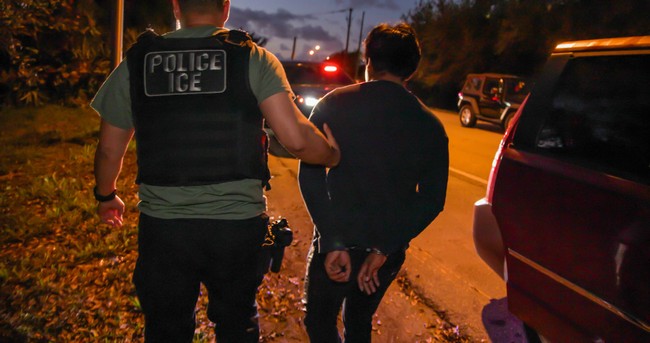
The Trump administration has launched an immigration enforcement operation in Maine targeting Somali communities, following similar actions in Minnesota and amid long-running concerns about fraud and criminal activity tied to some refugee networks.
Federal agents moving into Maine signals a renewed emphasis on enforcing immigration laws in places that have received recent arrivals. Officials are clear: those here illegally face removal, and those committing crimes will be prioritized for deportation.
The pattern mirrors what happened in Minnesota, where a large deployment of officers drew protests and intense scrutiny after a high-profile incident. Local reporting and law enforcement attention have exposed a mix of criminal allegations and administrative fraud that officials say helped drive these decisions.
Republicans argue the operation is overdue and straightforward: when federal law is broken, enforcement follows. That view pushes back against critics who frame every ICE action as heavy handed, insisting that protecting citizens and upholding immigration rules are fundamental responsibilities of government.
The Trump administration has started an immigration enforcement operation in Maine, targeting Somali immigrants in the state, according to two U.S. officials with knowledge of the plans.
The decision comes weeks after a similar operation in Minnesota incited protests and raised questions about the tactics used by Immigration and Customs Enforcement. Thousands of officers and agents from the Department of Homeland Security were deployed there, and ICE’s actions have come under significant scrutiny in the wake of the shooting of Renee Good in Minneapolis this month by an ICE officer.
A number of asylum seekers from African countries who arrived in the United States during the Biden administration have settled in Maine, joining a Somali population that started arriving there in the early 2000s, when refugees from the country began settling in Lewiston. Yet Maine remains an overwhelmingly white state, with one of the oldest populations in the country. Some employers have begun looking to immigrants to fill labor gaps, as native-born employees have either left the work force or retired.
The U.S. attorney’s office in Maine telegraphed the upcoming operation in a statement on Monday advising people to protest peacefully.
NewNation’s @RichMcHugh just EXPOSED more Somali fraud.
Americans donated $6.6M for Maine shooting victims — but nearly $2M was sent to 29 local nonprofits, 9 of them serving Somali communities, with no connection to the victims of the Lewiston shooting.pic.twitter.com/WTqyTLiyDD
— Overton (@overton_news) January 22, 2026
On the ground reporting has kept pressure on officials to act, and investigative pieces have traced alleged fraud and misuse of funds tied to some community organizations. Those stories matter because they push law enforcement to follow the money and the paperwork, not just anecdote and emotion.
NewsNation’s coverage has flagged schemes tied to charity and medical billing abuses that reportedly siphoned donations and public money away from victims and into organizations with questionable ties. Those investigations give officials leads that can turn civil complaints into criminal cases when warranted.
Investigative reporters have also highlighted alleged abuses in healthcare billing linked to certain providers operating in immigrant communities. Detailed reporting has claimed bogus charges to Medicaid and other programs, raising alarms among state regulators and federal investigators alike.
Enforcement operations like this are meant to be surgical: target fraud, remove criminals, and restore confidence in public programs. The political debate will rage, but the practical issue for many communities is simple—if rules are ignored or exploited, someone needs to investigate and, when appropriate, prosecute.
Republican policymakers will frame this as a test of federal resolve: enforce the law consistently, support honest immigrants who follow the rules, and crack down on those who exploit generosity or break local laws. That stance is blunt, but voters expect clear action on immigration and fraud.