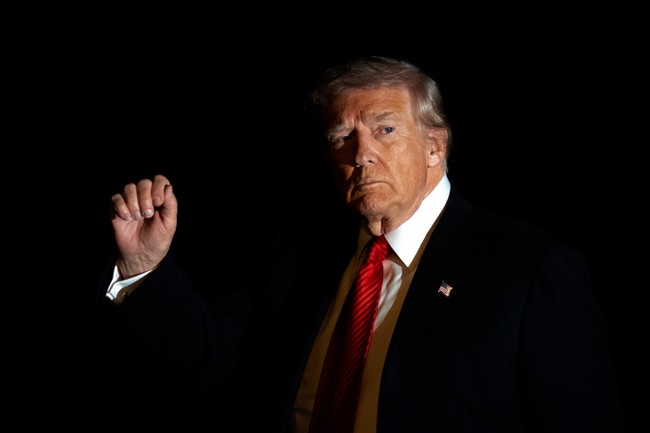
President Trump traveled to Davos amid a flurry of headlines about Greenland, an Air Force One snafu, and tense diplomacy with European allies.
His trip to the World Economic Forum got off to a rocky start when Air Force One turned back because of an electrical problem, forcing a plane change and a late-night arrival in Switzerland near 12:40 local time. That hiccup didn’t stop him from stepping up to speak to a crowd where Greenland kept popping up in conversation. The topic landed squarely in the spotlight alongside trade, security, and America’s global role.
European leaders are talking about defending themselves without U.S. help, with Finland’s president openly raising the topic of European self-reliance. There was even chatter about what would happen to NATO if conflict over Greenland flared up, and a few European contingents were quietly positioned as a precaution. Remember, the conversation often circles back to the reality that America still plays a decisive role in transatlantic security.
Trump took a pointed tone, poking fun at the idea Denmark sent dog sleds to bolster defenses and telling reporters during a long briefing that they’d hear his plans for Greenland. He made clear a dramatic option had been discussed, but then reassured audiences that he had no intention of ordering military action, via Axios. That line landed like a reality check for some in Davos who had been bracing for an escalation.
NOW – Finland's President, Alexander Stubb, says Europe can "unequivocally" defend itself, without the Americans. pic.twitter.com/AeHFshxBr5
— Disclose.tv (@disclosetv) January 21, 2026
President Trump reiterated his determination to take control of Greenland from Denmark during a combative speech at the World Economic Forum on Wednesday — but seemingly ruled out force to do so.
Why it matters: European allies have been bracing for a clash with Trump over Greenland this week in the Swiss Alps.
While there was some hope a market wobble could convince Trump to deescalate, he made very clear that wouldn’t happen.
“It’s the United States alone that can protect this giant piece of land, this giant piece of ice, develop it and improve it,” Trump said, saying the U.S. was a “great power” and arguing Denmark simply wasn’t.
What they’re saying: Trump said that if the U.S. decided to take Greenland by force it would be “unstoppable,” but “I don’t want to use force. I won’t use force. All the United States is asking for is a place called Greenland.”
[…]
Trump loomed over Davos long before he arrived on Wednesday, with allies lining up to declare a “rupture” in the U.S.-led world order and huddling to debate how to respond to Trump’s latest threats.
The hours leading up to Trump’s speech saw a sell-off of U.S. assets sparked by Trump’s threat to impose tariffs on allies if the U.S. isn’t handed Greenland.
Treasury Secretary Scott Bessent has been urging countries not to retaliate against Trump’s tariffs and on Wednesday dismissed a report that “Europeans would be selling US assets.”
The U.S.-Europe friction has been hard to miss at Davos. On Tuesday evening, European Central Bank chief Christine Lagarde reportedly walked out of a dinner during pugnacious remarks by Commerce Secretary Howard Lutnick.
NATO’s secretary general publicly emphasized guarding Greenland against Chinese and Russian moves, underscoring why the island matters geopolitically. This debate is not frivolous; it reflects real strategic concerns about the Arctic and competing powers. At the same time, Trump’s blunt approach and negotiating style have fueled both alarm and attention — some find the tactics frustrating, others see them as straightforward bargaining that shakes up the old order.
From a Republican perspective, the tune is familiar: prioritize American strength, push allies to step up, and treat strategic assets like Greenland as pieces of national security, not optional footnotes. Trump reminded Davos that the U.S. can move decisively when it wants to, then made a point of ruling out force to avoid needless escalation. That mix of toughness and restraint is exactly what supporters expect: firm posture without unnecessary war.
Outside the speeches and soundbites, the Davos reaction showed how easily markets and diplomatic relations can wobble when top leaders make bold demands. European capitals are recalibrating their responses, and officials are weighing tariffs, asset moves, and public messaging. What plays out next will depend on whether parties choose to bargain, retaliate, or find a pragmatic compromise around Greenland’s strategic future.