President Trump publicly criticized the United Kingdom’s plan to return the Chagos Islands, warning that giving up Diego Garcia would jeopardize U.S. access to a strategically vital base and invite greater influence from rival powers.
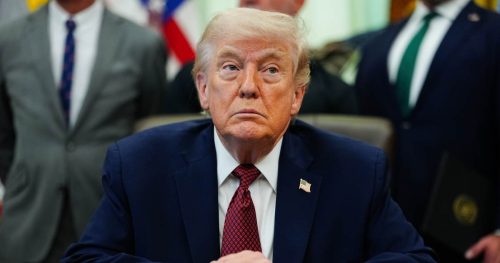
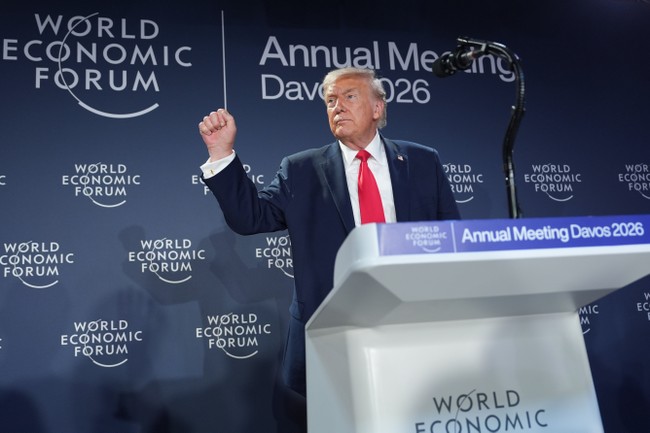
President Donald Trump slammed the United Kingdom’s decision to return the Chagos Islands in the Indian Ocean that house vital U.S. military bases to the East African country of Mauritius. He framed the move as a direct threat to American strategic posture in a part of the world where presence matters. The criticism landed hard and fast from a Republican perspective that prioritizes clear deterrence and forward basing.
Trump said it was “an act of great stupidity” in a Truth Social post. He then expanded on the point in a longer message that has been shared widely across conservative feeds and national security circles. The tone made clear he views this as a serious misstep by an important ally.
“Shockingly, our “brilliant” NATO Ally, the United Kingdom, is currently planning to give away the Island of Diego Garcia, the site of a vital U.S. Military Base, to Mauritius, and to do so FOR NO REASON WHATSOEVER. There is no doubt that China and Russia have noticed this act of total weakness. These are International Powers who only recognize STRENGTH, which is why the United States of America, under my leadership, is now, after only one year, respected like never before. The UK giving away extremely important land is an act of GREAT STUPIDITY, and is another in a very long line of National Security reasons why Greenland has to be acquired. Denmark and its European Allies have to DO THE RIGHT THING. Thank you for your attention to this matter.”
He posted the statement on Truth Social, where the exchange circulated widely and drew commentary from allies and critics alike. The platform-style post reinforced his broader message about strength and deterrence in foreign affairs.
The U.S. military base is on Diego Garcia, an island that’s previously been used to support military since the 1970s. That facility has supported logistics, refueling, surveillance, and strike operations critical to campaigns across the Middle East and the Indian Ocean region. Its location gives the U.S. a unique ability to project power and respond quickly to regional crises.
Trump’s remarks tap into a longer debate about forward bases and alliances: how much should the U.S. rely on partner holdings versus securing territory under direct or firm control. From a Republican viewpoint that values strong deterrence, ceding any strategic foothold is risky when global rivals are probing for openings. The concern is not just symbolic; it’s about access, basing rights, and the logistics that make rapid response possible.
President Trump is absolutely right.
The U.K. is showing WEAKNESS to China by giving away the Chagos Islands—which have an AMERICAN MILITARY BASE on them—all because Prime Minister Starmer feels guilty about his country’s history.pic.twitter.com/dSM2nipDfA— John Kennedy (@SenJohnKennedy) January 21, 2026
The U.K. decision to transfer sovereignty of the Chagos Islands back to Mauritius follows legal and diplomatic pressures, but the security implications are complicated and immediate. Critics argue the move could undermine coordination between NATO partners and reduce U.S. operational freedom in a busy maritime corridor. Supporters of the transfer point to legal sovereignty issues and decolonization, but Trump frames the outcome strictly through a national security lens.
By name-checking China and Russia, and by mentioning Greenland and Denmark, Trump tied this episode to a bigger argument about global posture and the need for strong negotiating stances with allies and adversaries. His message presses allies to prioritize strategic stability over symbolic moves that could be read as weakness. That framing will likely shape conservative commentary and Republican talking points moving forward.
What comes next is uncertain, but the debate is now in the open and will draw attention from policymakers, military planners, and lawmakers who share concerns about preserving basing access. Those who prioritize clear, hard-headed defense policy will be watching the diplomatic response and any follow-up steps from Washington and London.