Democrats in Virginia and in national media are using extreme rhetoric about slavery and elections to justify aggressive redistricting moves, and prominent Democrats have repeated those claims on TV and in the statehouse.
The debate has turned hot and theatrical, with a senior congressman and a state delegate invoking the language of slavery to describe current Republican strategies. That framing is driving a push for redistricting and other measures presented as necessary corrections to a perceived threat. The result is a political escalation that deserves careful scrutiny instead of raw fearmongering.
On national television, Rep. James Clyburn went so far as to suggest Republicans are trying to resurrect a pre-Reconstruction order, saying, “They were trying to set up a process that would allow this country to return to what it was in 1876, when the election got thrown into the House of Representatives, and they were able to overturn what Abraham Lincoln and the Congress had done successfully, getting rid of slavery. That is what they are attempting to do today.” That quote landed in liberal media circles and fueled alarm among Democratic activists. The rhetoric is dramatic, but the claim itself conflates historical upheaval with routine partisan fights over rules and maps.
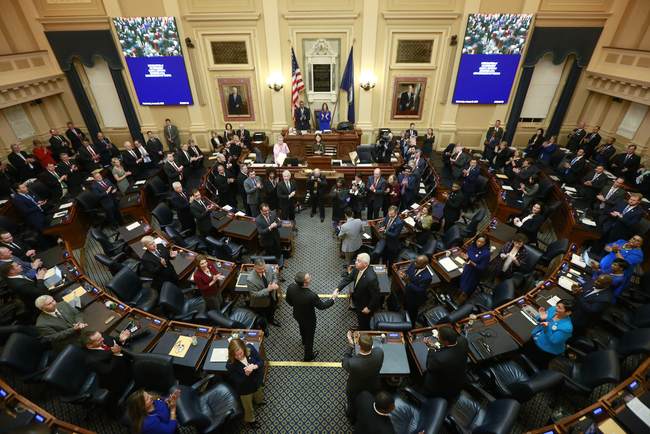
In Virginia, a Democratic delegate used comparable language while defending a redistricting bill, arguing the stakes were existential and that some people could be “in chains” if the wrong maps were drawn. Those remarks are being presented as justification to strip representation or redraw districts to counter a party perceived as hostile. Republicans can point out that Virginia voters have already returned GOP majorities before without any such rollback of rights.
That same state debate produced a floor statement that mixed emotion with policy advocacy, ending with support for House Bill 1384 and funds “in order to offset the cost to our localities.” The argument blends moral outrage with budget language, and it aims to package map changes as both corrective and compassionate. Critics will say using dire historical comparisons to pass redistricting plans cheapens real history and shortcuts democratic debate.
Virginia Democrat Del. Marcia Price claims that Republicans will bring back slavery unless they redistrict the state:
"We refuse to let others take us so far back that some of us would be in chains."pic.twitter.com/t1ldcu6vBc
— Greg Price (@greg_price11) January 22, 2026
There is a clear tactic at play: dramatic moral claims make a complicated technical fight easy to sell to sympathetic audiences. Redistricting fights are procedural and messy, but they rarely rise to the level of resurrecting slavery. Still, that is the tone being used to persuade voters and to stiffen turnout among a base primed by apocalyptic messaging. For open debate, voters need sober explanations of how lines are drawn and why changes are proposed.
Democrats argue they are acting to prevent a rollback of civil rights, and those claims resonate with many people who distrust Republican motives after recent national campaigns. That political strategy relies on framing rather than on specific, transparent evidence of the kind of lawless reversal being described. Republicans counter that courts and existing law provide checks, and that the alarmist language is designed to bypass ordinary institutional friction.
Normal voters see through the theatrics when it comes to day-to-day governance, but focus groups and party activists respond differently to moral panic. The contrast between what persuades base activists and what convinces swing voters matters a great deal in redistricting contests. Parties that rely on sensationalist comparisons risk alienating independents who prefer clear policies over historical analogies.
Political operatives on both sides use dramatic frames, but accusing your opponent of trying to “bring back slavery” is a particularly sharp form of escalation. It forces an immediate and emotional response and narrows the room for negotiation on mapmaking rules that used to be routine. For a functioning system, elected officials should debate witnesses, maps, and criteria openly rather than trade historical invocations.
History matters, but so do facts and proportional representation. If politicians want to change the system, they should make the case on policy grounds and in public hearings, not by framing every redistricting fight as an existential moral crisis. Voters deserve a clear choice between competing plans and honest explanations of the stakes rather than theatrical warnings that confuse history with politics.