Virginia suffered a brutal winter storm that has left roads dangerous and killed more than 100 people, and while crews battle ice and snow, a Virginia Democrat has pushed a bill to study replacing road salt with alternatives.
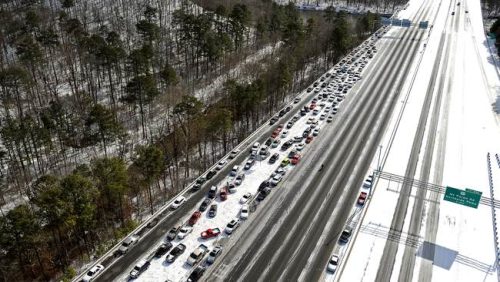
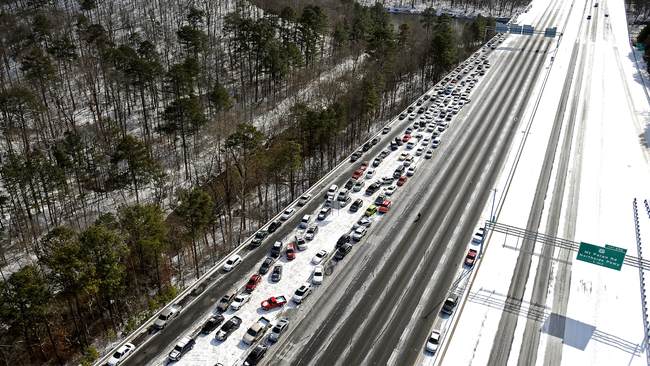
The storm dropped heavy snow, sleet, and freezing rain across the southern and Mid-Atlantic states, and Virginia was in the thick of it with bitter temperatures and wrecked travel. Crews have been working around the clock, but clearing routes has been slow and hazardous. Commuters and emergency services have felt the strain as officials try to keep main arteries passable.
At the same time, lawmakers in Richmond are talking about ditching the common de-icing tool that actually helps keep roads safe in winter. That proposal comes as families are still digging out, hospitals have been stretched, and portions of the region remain inaccessible. The timing feels out of touch to many who watched plows and salt trucks fight the weather nonstop.
The idea is framed as an environmental study to find safer alternatives, and that sounds fine on paper. But when streets are impassable and people are risking their lives to get to work or to medical appointments, policy priorities matter. Voters watching this see a disconnect between urgent public safety needs and what politicians spend time on.
Transgendered Virginia Democrat State Senator @pwcdanica, Daniel “Danica” Roem, introduces a bill to make @VaDOT study ALTERNATIVES to salt-based road treatment products for snow/ice storms
This insane bill moves as VA is covered in 6-9 inches of solid ice
“Directs VDOT to… pic.twitter.com/1acbtG70Ei
— NOVA Campaigns (@NoVA_Campaigns) January 29, 2026
I mean, what are we doing here, people (via WRIC):
Virginia lawmakers have introduced a bill that looks to replace the salting of the roadways for winter weather.
Sen. Danica Roem (D-Manassas) introduced Senate Bill 482 on Jan. 13. The bill directs the Virginia Department of Transportation (VDOT) to conduct an environmental study and find safe alternatives to using salt when treating roadways in wintry weather.
Rock salt or sodium chloride is typically used to coat sidewalks and streets as it melts snow and prevents commuters from slipping on ice. But when the winter passes and the ice melts, the salt doesn’t leave entirely.
According to the U.S. Environmental Protection Agency (EPA), road salt can make its way into nearby surface and systems and contaminate water reservoirs and wells. Excess road salt accumulation can also kill roadside plants and harm wildlife.
The bill itself asks VDOT to study environmental effects and alternatives, which is the sort of due diligence agencies can and should perform. The blockquote above lays out the basic reasoning about contamination and environmental harm that supporters raise. Those points deserve consideration, but studies and policy shifts should not come at the expense of immediate safety during a severe storm.
Road salt like sodium chloride is cheap and effective, and crews used it because it works under the extreme conditions many Virginians experienced. Alternatives can be costly, less effective in severe cold, or slower to act when the ice first forms. Citizens and first responders expect ground crews to have reliable tools when the temperature plunges and travel turns deadly.
This debate is unfolding in a state where Democrats control the legislature and the governor’s office, and critics will say that makes it easier for these kinds of proposals to move forward. When your party runs everything, priorities reflect your choices, and voters will judge whether environmental studies deserve the spotlight in the middle of a public safety crisis. The instinct to lecture residents about environmental trade offs while streets remain dangerous is what fuels the frustration people feel.
Practical questions hang in the air: how long will a study take, what will the alternatives cost, and who pays for them if they do not perform as well in subzero conditions. Meanwhile, families who lost power, drivers who were stranded, and crews who risked their lives to clear roads are left wondering why anyone would consider removing a proven tool right now. Policy can evolve, but timing and execution matter when lives are at stake.
The storm made a hard case for prioritizing immediate safety and reliable infrastructure response when winter hits hard. Lawmakers can pursue environmental reviews while keeping salt on roads through the emergency, but that balance requires clear communication and sensible timelines. If the end result is safer water and wildlife without sacrificing road safety, that will be a win, but the current optics are rough and have many people upset.