Tim Walz has been publicly inconsistent about the Minneapolis ICE shooting that left Renee Nicole Good dead, offering blunt rhetoric one day and softer pushback the next while Minnesotans try to make sense of the facts and the political fallout.
The governor’s comments have swung between incendiary language and defensive shifts, and that flip-flop matters because it shapes public trust in law enforcement and state leadership. When officials speak in extremes they invite chaos and confusion, and that’s what many are seeing from Tim Walz during this crisis. The rhetorical tango has left the facts of the case stuck under a pile of political heat.
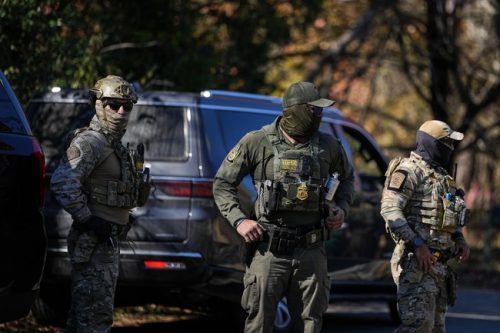
On January 7 federal agents confronted a driver identified as Renee Nicole Good, 37, who reportedly attempted to ram an ICE agent during the operation in Minneapolis. The encounter ended with federal agents firing and killing Good, and the basic sequence of events has been clear enough for public debate. Those facts do not require partisan spin to be understood, only sober public explanation and consistent leadership.
Early on, Walz framed the aftermath in sweeping terms, suggesting the situation amounted to a confrontation that ginned up unrest and cast blame on federal authorities. That kind of language set off alarms because it reads like partisanship at the governor’s podium rather than measured command in a tense moment. When elected leaders turn press conferences into political theater the result is predictable: more division and less effective crisis management.
This you? https://t.co/PQ0mKKZICe pic.twitter.com/GEWUwE4wEv
— Townhall.com (@townhallcom) January 8, 2026
Then Walz shifted, accusing “the Trump people” of passing judgment, which simply highlighted his own earlier judgments on the day of the shooting. The contradiction is obvious: you cannot decry outside criticism while having used strong, public language yourself. That inconsistency undercuts credibility when the public most needs clear answers and steady direction from its officials.
It was a justified shooting; you can’t run over cops. That blunt statement captures the straightforward rule of law at issue and the basic expectation of public safety officers when they face an immediate threat. Legal nuance and investigations follow, but the public should not be lectured by leaders who flip positions depending on the political winds. Minnesotans deserve steady, lawful leadership instead of opportunistic outrage.
What a circus:
Deploying the National Guard in the wake of the incident was a serious action, but that deployment does not give license to loose rhetoric about “civil war” or other alarmist terms that stoke fear. If the governor is going to use martial language, he should be prepared to explain why such phrases are justified and what concrete steps they trigger. Cheap hyperbole from the top amplifies tensions in the streets and makes calm resolution harder to achieve.
Also, what was that about a civil war? The suggestion that the state is on the brink of internal collapse is the kind of dramatics that distracts from the facts and from needed transparency into the shooting. Minnesotans deserve a clear, direct account of what happened and why, not scare tactics that read like campaign copy rather than crisis leadership.
There’s also the matter of consistency in remembering details. Voters notice when a governor appears to lose track of his own statements or rewrites them after the fact, and that erodes political authority. Leaders who talk past each other and sound more like pundits than public servants make it harder to hold institutions accountable and harder for agencies to do their jobs without political interference.
If the community is to heal and governance to stabilize, elected officials must prioritize the facts, support impartial investigation, and stop with rhetoric that only fans flames. That means letting federal and state processes proceed, answering reasonable questions, and delivering steady, fact-based updates. The people of Minnesota need less theater and more transparent action from those in charge.
When politics crowds into tragedy, everyday citizens are the ones who pay the price, whether through unrest, broken trust in institutions, or the slow erosion of public safety norms. That reality should guide how public officials respond: carefully, consistently, and with respect for both law and common sense. Anything less makes a fraught situation worse and leaves questions that will linger long after the headlines move on.