This piece examines reported decisions by Minnesota leaders that critics say let nearly 500 criminal noncitizens return to communities, the federal response, and the legal and public-safety fallout around those choices.
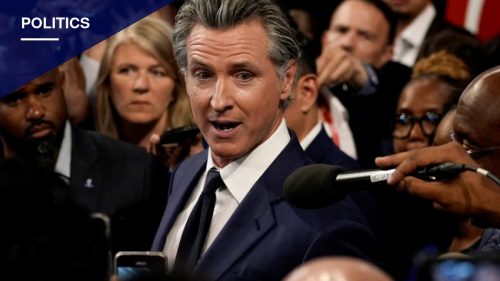
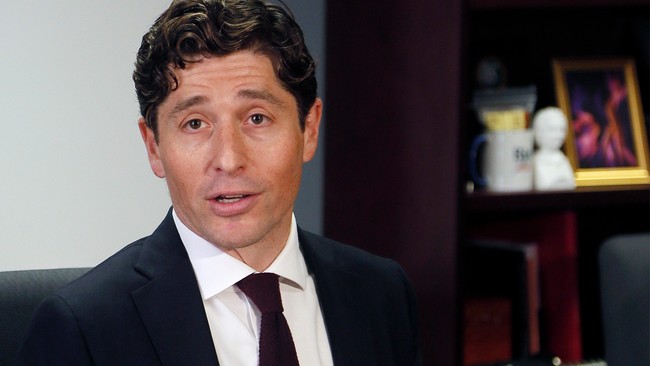
Minnesota Gov. Tim Walz and Minneapolis Mayor Jacob Frey are under fire from federal officials who say local policies blocked cooperation with immigration enforcement and resulted in the release of nearly 500 criminal aliens. Critics argue those releases put public safety at risk and show a broader pattern of sanctuary-style resistance to federal immigration efforts. State and local leaders counter that their actions reflect local priorities and legal limits on federal detention. The dispute has escalated into subpoenas and national headlines.
“For example: One of the things we’ve asked Gov. Walz for, and Mayor Frey, is to give us just the criminals you have in jail,” said Department of Homeland Security Secretary Kristi Noem. “They’ve released 490 murderers, and rapists, and drug traffickers onto their streets, rather than just give them to us — and that’s what I don’t understand.” Her allegations tie directly to efforts by ICE to secure custody of removable aliens, and they sparked formal legal measures aimed at state and city officials.
🚨 JUST IN: Kristi Noem confirms Mayor Frey and Tim Walz RELEASED 490 m*rderers, r*pists and drug traffickers onto the streets INSTEAD of handing them over to ICE in the jails
WTF?!
That is TREASON! There is no other way to put it.pic.twitter.com/1ci4FTiFRZ
— Eric Daugherty (@EricLDaugh) January 20, 2026
The Trump administration and its successors argue that certain Minnesota officials have used policies and litigation to impede federal agents carrying out immigration arrests. Those tensions produced subpoenas for Gov. Walz, Mayor Frey, Attorney General Keith Ellison, and others as federal prosecutors seek documents and testimony. The federal position frames the issue as obstruction of enforcement, while local officials maintain they are protecting community trust and civil rights.
“We’re doing the same thing that law enforcement has done for years — under this administration, under the Biden administration — all of them,” Noem stated. She disputed claims that agents departed from routine procedures, insisting the arrests and removals mirror long-standing practices used by federal and local law enforcement. Noem’s defense is meant to push back on narratives that portray ICE operations as unprecedented or rogue.
Since Operation Metro Surge was launched in December, ICE reports it has taken nearly 3,000 aliens into custody in Minnesota, a figure officials use to illustrate the scale of the immigration issue in the state. Federal authorities have singled out a subset they call the “Worst of the Worst” and have publicized cases to argue that the released individuals posed real threats. Those examples are driving conservative calls for tougher cooperation requirements and renewed oversight of sanctuary policies.
Local leaders say their hands are tied by legal constraints, court decisions, and a responsibility to maintain trust between immigrant communities and local policing efforts. City and state officials argue that handing over all detainees on demand would chill cooperation and make communities less safe by preventing witnesses and victims from coming forward. That argument resonates with civil liberties groups but frustrates Republican officials who prioritize enforcement over those concerns.
The dispute has practical consequences: subpoenas and litigation consume government time and money, and the public debates shape policy on jails, detention, and intergovernmental agreements. Lawmakers and voters now face choices about whether to tighten statutes, change how jails handle ICE detainers, or press for federal legislation that clarifies cooperation standards. For Republicans, the immediate priority is restoring strong enforcement and clear accountability when dangerous individuals are involved.
Political dynamics amplify every development: local officials who favor limited cooperation frame federal efforts as overreach, while federal conservatives frame local resistance as willful obstruction that endangers citizens. That clash plays out in press briefings, court filings, and social media, and it influences how cases are prosecuted and how agencies share information. The result is a tense, public contest over policy, procedure, and priorities that shows no sign of quieting.
Editor’s Note: Democrat politicians and their radical supporters will do everything they can to interfere with and threaten ICE agents enforcing our immigration laws.